
The Youngkin-Vance Endorsement: Another Capitulation to Trumpism
Published
- 3 min read
The Facts of the Endorsement
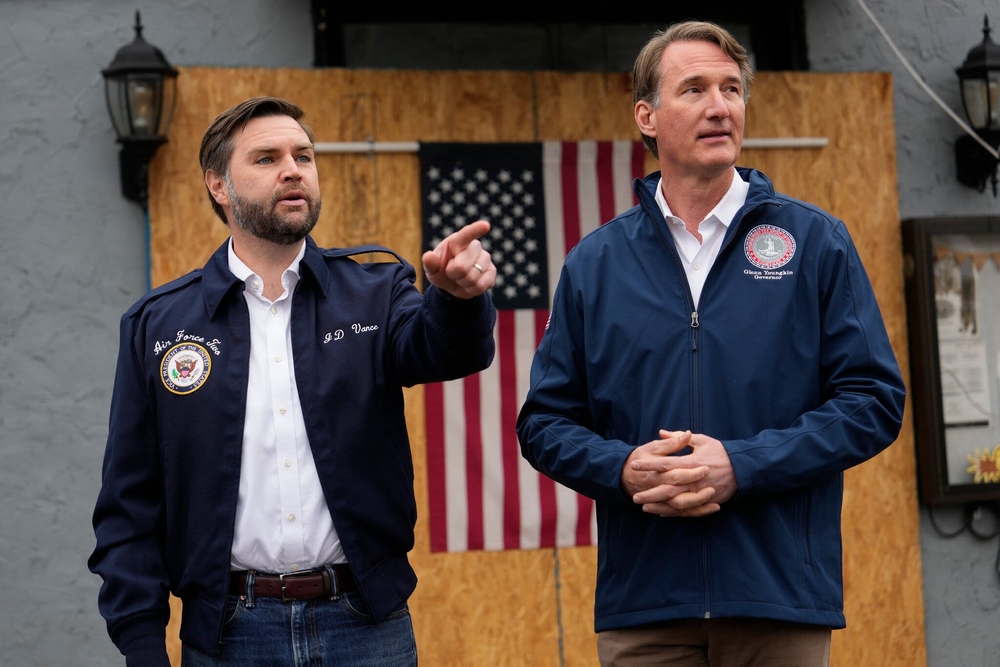
Virginia Governor Glenn A. Youngkin has publicly praised and endorsed JD Vance, the Ohio Senate candidate and author who has positioned himself as a staunch ally of former President Donald Trump. This endorsement represents a significant moment in Republican Party dynamics, particularly given Youngkin’s previous image as a more traditional conservative who managed to win in a purple state. The endorsement signals alignment between different factions within the Republican Party and demonstrates the continuing influence of Trump within GOP politics.
Contextual Background
The political landscape leading up to this endorsement has been characterized by ongoing tension between traditional conservative principles and the populist movement that has dominated the Republican Party since 2016. JD Vance, once critical of Donald Trump, underwent a remarkable transformation into one of his most vocal supporters, while Glenn Youngkin represented what many considered a more pragmatic, electable form of conservatism that could appeal to suburban voters and independents.
This endorsement comes at a crucial time for the Republican Party as it prepares for upcoming elections and determines its future direction. The relationship between establishment figures like Youngkin and Trump-aligned candidates like Vance reveals much about the current power dynamics within the party and the strategic calculations being made by Republican leaders.
The Erosion of Principled Conservatism
What we are witnessing with Youngkin’s endorsement of Vance represents nothing less than the systematic erosion of principled conservatism in favor of populist expediency. When a governor who positioned himself as a reasonable, pragmatic conservative aligns himself with a candidate who has fully embraced the most extreme elements of Trumpism, it signals a profound abandonment of the constitutional principles that should guide our political discourse.
This endorsement isn’t merely a political calculation—it’s a moral compromise. Leaders like Youngkin have a responsibility to uphold the institutions and norms that preserve our democracy, yet by endorsing Vance, he’s effectively endorsing the continued degradation of those very institutions. The Republican Party appears to be prioritizing loyalty to one man over commitment to the Constitution, and this should alarm every American who values our democratic system.
The Dangerous Normalization of Extremism
Perhaps most troubling about this endorsement is how it contributes to the normalization of political extremism. JD Vance’s transformation from Never-Trumper to full-throated supporter represents exactly the kind of ideological flexibility that undermines public trust in our political system. When candidates can so easily abandon their principles for political gain, and when established leaders endorse this behavior, we create a system where authenticity becomes meaningless and opportunism becomes rewarded.
This normalization process is particularly dangerous because it makes extreme positions seem mainstream. When a respected governor like Youngkin endorses a candidate who has embraced the most divisive aspects of modern politics, it sends a message to other Republicans that there are no consequences for abandoning principle. This creates a race to the bottom where the most extreme voices get amplified while moderate, thoughtful voices get marginalized.
The Impact on Democratic Institutions
The Youngkin-Vance endorsement represents another step in the weakening of our democratic institutions. When political leaders prioritize personal loyalty over institutional integrity, when they value party unity over constitutional principles, they contribute to the erosion of the very system that allows our democracy to function. Our system depends on leaders who will put country before party, who will defend the Constitution even when it’s politically inconvenient.
What we’re seeing is the consolidation of power around a personality rather than around principles. This isn’t how healthy democracies function. In robust democratic systems, leaders debate ideas and policies based on their merits, not based on loyalty to a particular individual. The endorsement of Vance by Youngkin suggests that the Republican Party is moving further away from idea-based politics and deeper into personality-driven politics.
The Future of the Republican Party
This endorsement raises serious questions about the future direction of the Republican Party. If figures like Glenn Youngkin—who many saw as representing a more inclusive, electable form of conservatism—are now aligning themselves with the most Trump-aligned candidates, what does this mean for the party’s ability to appeal to a broad coalition of voters? What does it mean for the party’s commitment to constitutional principles?
The Republican Party faces a critical choice: will it continue down the path of populism and personality-driven politics, or will it return to its roots as a party of ideas and principles? The Youngkin-Vance endorsement suggests that, for now at least, the party is choosing the former. This choice has profound implications not just for the Republican Party but for American democracy as a whole.
Conclusion: A Call for Principled Leadership
As someone deeply committed to democracy, freedom, and constitutional values, I find the Youngkin endorsement of Vance deeply troubling. It represents another capitulation to the forces that are undermining our democratic institutions and weakening our political discourse. We need leaders who will stand firm in their principles, who will put country before party, and who will defend our constitutional system even when it’s difficult.
The American people deserve better than political calculations and opportunistic endorsements. They deserve leaders who will uphold the values that made this country great—freedom, liberty, and democratic governance. The Youngkin-Vance endorsement moves us further away from that ideal and closer to a politics where principle takes a back seat to power. This should concern every American who cares about the future of our democracy.