
The Weaponization of Justice: A Dangerous Precedent for American Democracy
Published
- 3 min read
Introduction: A Pattern of Political Targeting
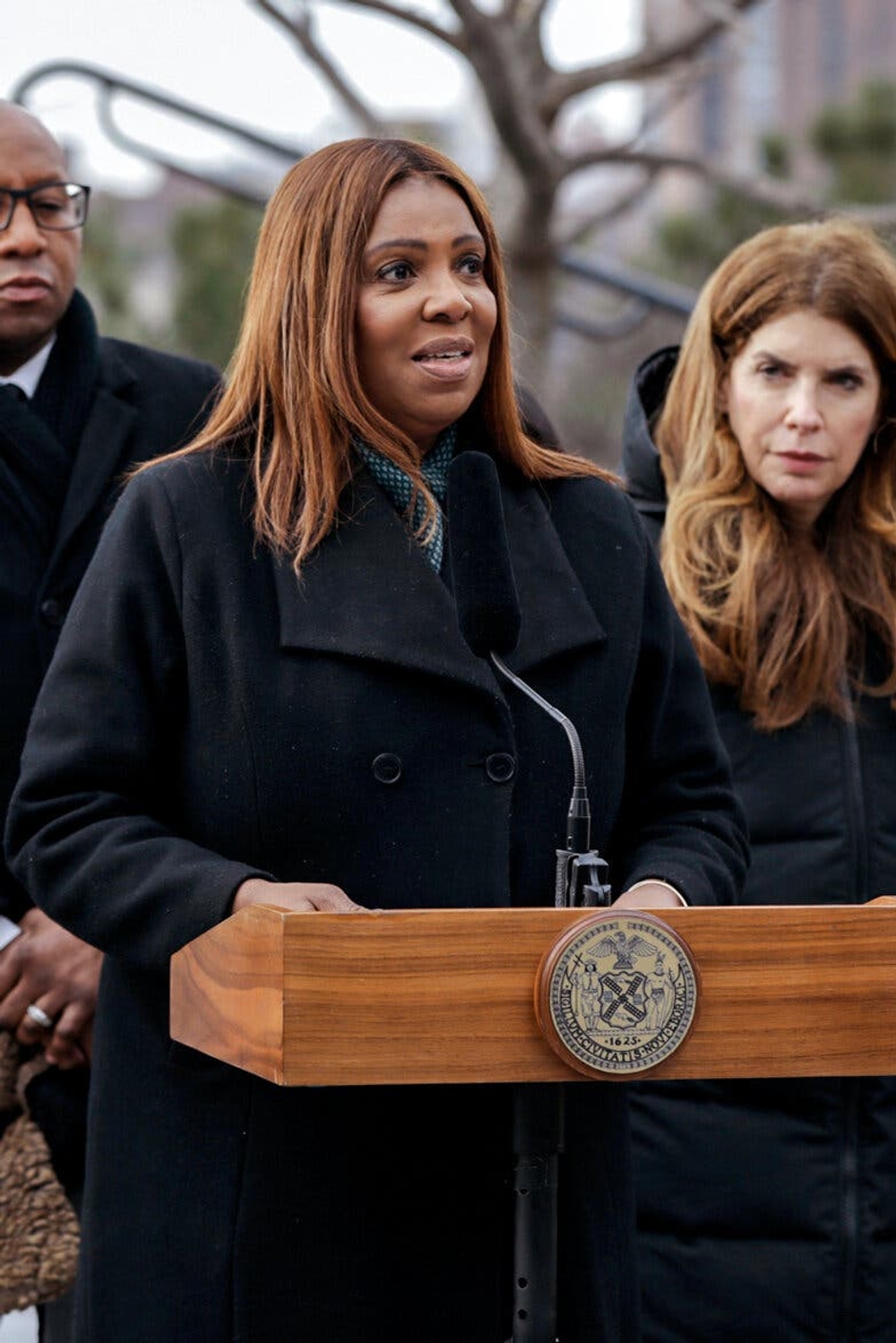
Recent developments in the ongoing investigation of New York Attorney General Letitia James reveal a disturbing pattern that should alarm every American who values democratic principles and the rule of law. Federal prosecutors are now scrutinizing financial transactions between James and her longtime hairdresser, Iyesata Marsh, who faces separate fraud charges unrelated to the attorney general. This investigation represents the latest chapter in what appears to be a systematic campaign to target one of President Trump’s political adversaries through the justice system.
The Investigative Landscape
The investigation remains in its early stages, with prosecutors expressing interest in financial transactions involving James or her campaign. Specifically, they’re examining payments made by James’s 2018 campaign to Marsh for renting a Brooklyn studio she owns, as well as payments related to a musical performance at an Albany political event. According to previous reporting, these payments totaled approximately $36,000, which the campaign characterized as legitimate expenses for event management services.
What makes this situation particularly concerning is the context of previous failed attempts to prosecute James. Prosecutors last year opened both a civil rights inquiry into her office and a criminal investigation centered on her purchase of a Norfolk, Virginia home in 2020. That case resulted in an indictment that was later thrown out when a judge ruled that the prosecutor, Lindsey Halligan, had been unlawfully appointed. Subsequent efforts to charge James failed when two separate grand juries rejected proposed indictments—an exceptionally rare occurrence in federal jurisprudence.
Key Players and Questionable Actions
The cast of characters involved in these investigations raises serious questions about their legitimacy. Edward R. Martin Jr., a Trump-aligned activist, has openly advocated for using the justice system to “name and shame White House adversaries.” In a highly unusual move for a Justice Department official overseeing an active inquiry, Martin posed for pictures outside James’s Brooklyn home in August—behavior that undermines the appearance of impartiality essential to proper law enforcement.
The judicial system has repeatedly pushed back against these efforts. Most recently, U.S. Attorney John A. Sarcone III was disqualified from further work on the civil rights inquiry when a judge determined he had been serving unlawfully. These legal setbacks highlight the procedural irregularities that have characterized the pursuit of James throughout this process.
The Core Constitutional Crisis
What we are witnessing transcends ordinary political rivalry and enters the dangerous territory of institutional weaponization. The repeated attempts to prosecute Letitia James—despite judicial rulings against the legality of the prosecutors’ appointments and grand jury rejections of the charges—represents a fundamental assault on the separation of powers and the independence of the justice system.
When a sitting administration uses federal law enforcement to target political opponents, it crosses a red line that has largely been respected throughout American history. This pattern threatens to normalize what should be unacceptable: the conversion of the Department of Justice from an impartial administrator of justice into a political weapon. The Founding Fathers established safeguards against precisely this kind of abuse, understanding that without an independent judiciary and impartial law enforcement, democracy cannot survive.
The Chilling Effect on Public Service
The implications of these investigations extend far beyond Letitia James personally. When public officials face the prospect of politically motivated prosecution for performing their lawful duties, it creates a chilling effect that undermines our entire system of government. State attorneys general must be free to investigate potential wrongdoing without fear of federal retaliation. The mere possibility that conducting legitimate investigations could trigger federal scrutiny threatens the ability of state officials to perform their constitutional responsibilities.
This environment particularly endangers the principle of federalism, which depends on state officials being able to serve as checks on federal power. If state attorneys general hesitate to investigate federal officials or policies due to fear of reprisal, an essential balance in our constitutional system is lost.
The Erosion of Public Trust
Perhaps the most damaging consequence of these investigations is the erosion of public trust in democratic institutions. When citizens perceive the justice system as a tool for political score-settling rather than impartial adjudication, faith in the rule of law diminishes. This erosion has long-term consequences that extend well beyond any single administration or political controversy.
The repeated judicial rejections of these cases—from unlawful appointments to grand jury refusals to indict—suggest that the legal system itself is resisting this politicization. However, each new investigation, regardless of its merit, contributes to public cynicism about government institutions. The cumulative effect of these actions risks creating a perception that the justice system serves political masters rather than constitutional principles.
A Call for Institutional Integrity
In this troubling context, responsible leadership requires reaffirming commitment to the principles that have sustained American democracy for centuries. The Department of Justice must maintain its independence from political influence, and prosecutors must exercise their discretion based solely on legal merits rather than political considerations. The repeated judicial interventions in these cases against James demonstrate that the system contains checks against abuse, but these safeguards only work when officials respect institutional norms and boundaries.
The proper response to this situation is not partisan defense of any individual, but rather vigorous defense of the institutional integrity that protects all Americans. Regardless of one’s political views or opinions about the individuals involved, every citizen should be concerned when the justice system appears weaponized for political purposes. The principles at stake—equal justice under law, due process, and institutional independence—transcend partisan politics and form the foundation of our constitutional democracy.
Conclusion: Protecting Democratic Norms
As this situation continues to unfold, Americans must remain vigilant about protecting the democratic norms that safeguard our system of government. The investigation into Letitia James and her associates represents more than just another political controversy—it tests the resilience of our institutions against politicization. The repeated judicial rejections of previous attempts to prosecute James suggest that the system is fighting back against improper influence, but the persistence of these efforts remains alarming.
Ultimately, the survival of American democracy depends on maintaining the independence of our justice system and respecting the constitutional boundaries that prevent the concentration of power. When any administration, regardless of party, appears to use law enforcement against political opponents, it represents a threat to the democratic principles that have made America exceptional. The responsibility falls to all who value liberty, justice, and constitutional government to defend these principles against erosion, ensuring that the rule of law continues to mean more than the rule of political advantage.