
The War on Birth Centers: How Bureaucracy and Protectionism Are Killing Mothers and Undermining Healthcare Freedom
Published
- 3 min read
The Alarming State of Maternal Healthcare in America
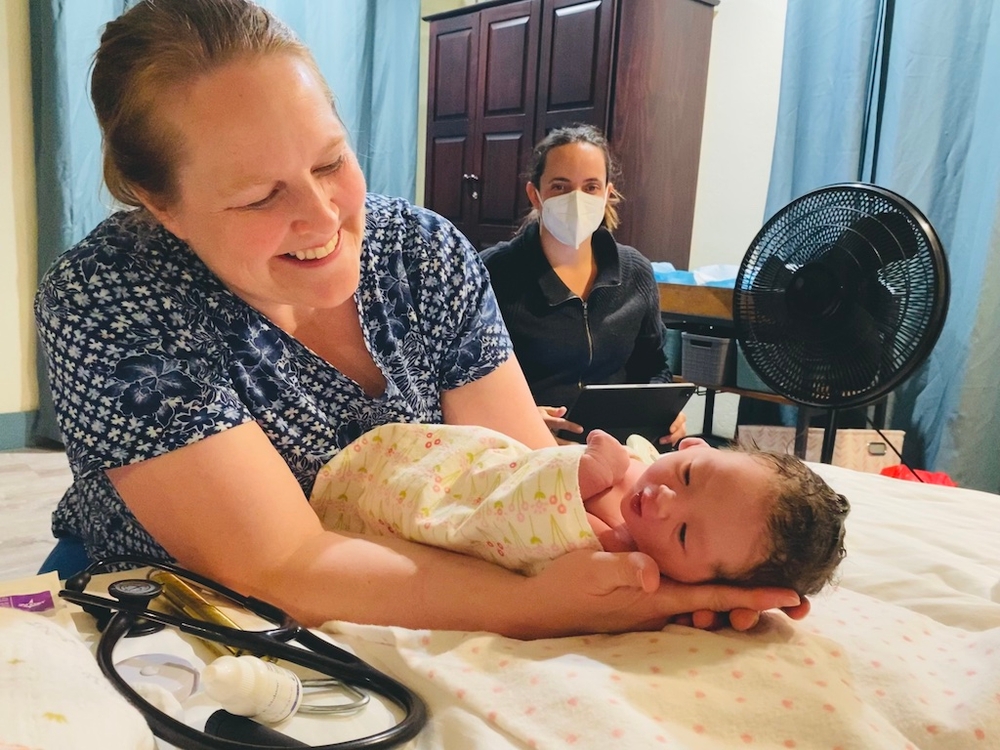
The statistics paint a devastating picture: the United States maintains one of the highest maternal mortality rates among developed nations, with Black women experiencing death rates three times higher than white women. In Alabama, where Dr. Heather Skanes established the state’s first freestanding birth center in 2022, these disparities reach catastrophic proportions. Her Oasis Family Birthing Center opened in a majority-Black Birmingham neighborhood specifically to address these horrifying inequities, offering midwifery services and medical care to a vulnerable population.
Tragically, within six months of the center’s first delivery—Alabama’s first baby born in a freestanding birth center—state health officials ordered its closure, claiming it operated as an “unlicensed hospital.” This pattern repeats across the nation as hospital labor and delivery units shutter at an alarming rate, with more than two dozen closing in 2025 alone. Freestanding birth centers could fill these critical gaps, yet they face systematic suppression through financial pressures, regulatory hurdles, and outright hostility from politically powerful hospitals.
The Regulatory Onslaught Against Healthcare Innovation
The assault on birth centers represents more than bureaucratic overreach—it constitutes a fundamental denial of healthcare freedom and choice. These facilities provide homelike, less medicalized settings staffed by midwives focusing on low-risk pregnancies, often with OB-GYN or family medicine doctors available. For Black, Indigenous, and rural communities who frequently face marginalization and prejudice in traditional medical settings, birth centers offer dignity, cultural competence, and life-saving access.
Yet state after state erects impossible barriers. Georgia’s certificate of need laws require healthcare providers to obtain state approval before building new facilities, allowing rival hospitals to effectively veto competition. Katie Chubb, a registered nurse fighting to open a birth center in Augusta, faced opposition letters from two local hospitals that refused to accept emergency transfers—a requirement for opening. Similar stories emerge from Pennsylvania, New Mexico, California, and Kentucky, where birth centers close despite decades of service or never open due to regulatory strangulation.
The Human Cost of Protectionist Policies
Behind every closed birth center lies a community abandoned, every regulatory hurdle represents mothers denied choice, and every protectionist policy translates to preventable deaths. Faith Zacherle-Tonasket, founder of xa?xa? Indigenous Birth Justice, explains that Indigenous women often avoid prenatal care entirely because “they don’t feel safe” in clinical settings. Her organization trains tribal doulas and midwives to serve the Colville Indian Reservation, where the nearest hospital sits thirty minutes away—an eternity during obstetric emergencies.
The financial realities exacerbate this crisis. Insurers, including Medicaid, reimburse birth centers at lower rates than hospitals for the same services, despite research showing uncomplicated births cost less at freestanding centers. Malpractice premiums skyrocket while state Medicaid programs frequently refuse coverage for nonclinical services like lactation consultants and doulas. Sarah Simmons, co-owner of Maple Street Birth Center in rural Washington, reveals her center makes less than a third of what local hospitals earn for identical obstetric services, forcing staff to essentially volunteer their time.
A Systemic Failure of Compassion and Common Sense
This represents more than policy failure—it constitutes a moral catastrophe. When hospitals view birth centers as competition rather than collaboration, when regulators prioritize paperwork over patients, and when politicians protect established interests rather than vulnerable communities, we witness the utter breakdown of healthcare as a human right.
The solution requires fundamental rethinking of how we value maternal healthcare. The Center for Healthcare Quality and Payment Reform recommends “standby capacity payments” per woman of childbearing age in a facility’s service area, plus separate delivery fees—a model proposed in federal legislation by Democratic senators in 2024. Payment parity laws ensuring rural birth centers receive equal reimbursement for identical services would transform viability. State grants help, but sustainable funding models must replace temporary infusions.
The Constitutional and Human Rights Imperative
Healthcare freedom constitutes a fundamental liberty interest protected by constitutional principles of autonomy and dignity. When states effectively ban alternative healthcare models through regulatory manipulation, they violate both the spirit and letter of constitutional protections. The ACLU’s involvement in the Alabama lawsuit underscores the civil rights dimensions of this battle—access to healthcare choices disproportionately denied to minority communities represents a blatant equity violation.
Dr. Skanes, Dr. Yashica Robinson, and Stephanie Mitchell’s lawsuit against Alabama authorities highlights the courageous fight against systemic oppression. Their victory in trial court, now under appeal, offers hope that justice may prevail. Yet the ongoing uncertainty facing licensed midwives delivering babies under threat of renewed closure demonstrates how fragile progress remains.
Toward a Future of Healthcare Justice
We stand at a crossroads: either continue protecting entrenched interests while mothers die from preventable complications, or embrace innovative solutions that prioritize human lives over bureaucratic convenience. Birth centers don’t merely provide alternative birthing options—they represent community-based, culturally competent, accessible healthcare that addresses systemic failures.
The fight for birth centers embodies larger principles: healthcare as a human right, regulatory freedom, racial justice, and community empowerment. When Jamarah Amani of Southern Birth Justice Network declares her goal to bring midwifery “back to the community in a very grassroots way,” she articulates a vision of healthcare that serves people rather than systems.
As hospital labor and delivery units continue closing, as maternal mortality rates remain disgracefully high, and as racial disparities persist unchecked, the urgency intensifies. We must demand legislative action, regulatory reform, payment parity, and cultural transformation. The lives of mothers and babies depend on whether we choose protectionism or people, bureaucracy or compassion, inertia or justice. The choice couldn’t be more clear—or more consequential.