
The Venezuelan Intervention: A Dangerous Breach of Constitutional Order
Published
- 3 min read
The Facts of the Unauthorized Military Action
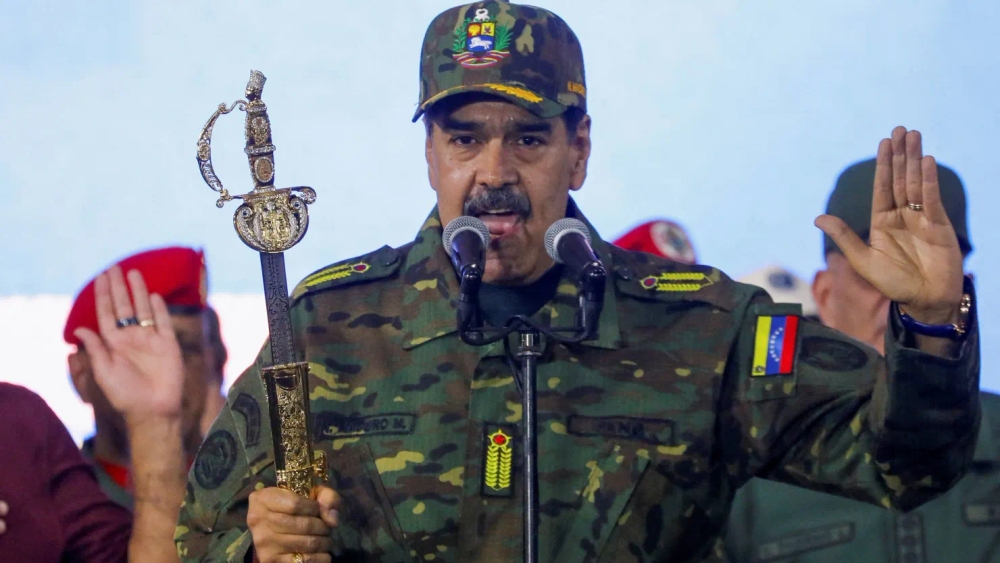
In a stunning development that has shaken the foundations of American constitutional governance, President Donald Trump ordered and executed the capture of Venezuelan President Nicolas Maduro without seeking congressional authorization. According to reports, the operation involved a “large scale strike” that resulted in the apprehension of Maduro and his wife, Cilia Flores, who are now being transported to the United States to face multiple charges including conspiracy to commit narco-terrorism, cocaine importation conspiracy, and weapons violations.
The Trump administration justified this extraordinary action by characterizing it as “largely a law enforcement function” rather than an act of war. Secretary of State Marco Rubio argued that congressional notification would have jeopardized the mission, stating that “Congress has a tendency to leak” and that this was “not the kind of mission you can do congressional notification on.” Attorney General Pam Bondi confirmed that Maduro and his wife had been indicted in the Southern District of New York, providing the legal framework the administration claims justifies the operation.
Constitutional Context and Historical Precedent
The United States Constitution explicitly grants Congress the sole authority to declare war, a power that has been reinforced by the War Powers Resolution of 1973. This legislation, passed in response to presidential overreach during the Vietnam War, specifically limits the president’s ability to take military action unilaterally and requires consultation with Congress when deploying troops. The framers of our Constitution deliberately placed this awesome responsibility in the hands of the legislative branch—the branch closest to the people—precisely to prevent exactly this kind of unilateral executive action that could drag the nation into foreign conflicts without proper deliberation and consent.
Throughout American history, presidents have occasionally stretched their constitutional authority regarding military actions, but the capture of a foreign head of state without any congressional consultation represents an unprecedented escalation of executive power. Even in the most urgent circumstances, previous administrations have typically engaged in at least some form of congressional notification or sought after-the-fact authorization.
The Dangerous Precedent of Executive Overreach
What we are witnessing is nothing short of a constitutional crisis that threatens the very fabric of our democratic republic. The administration’s justification that this was merely a “law enforcement function” rather than an act of war represents a dangerous redefinition of military intervention that could have far-reaching consequences for years to come. If a president can unilaterally order the capture of a foreign leader under the guise of law enforcement, what prevents future presidents from similarly bypassing congressional authority for other military actions?
The administration’s argument that congressional notification would have risked leaks demonstrates a profound distrust of our democratic institutions. While operational security is certainly important, it cannot become a blanket excuse for circumventing constitutional requirements. Our system of government is built on checks and balances precisely to prevent any single branch from accumulating too much power. When the executive branch decides it can ignore these safeguards based on its own assessment of what constitutes adequate notification, we have effectively surrendered the constitutional protections that have safeguarded our republic for centuries.
The Hypocrisy in Justification and International Implications
Equally troubling are the inconsistent justifications offered by administration officials and their Republican allies. Senator Tom Cotton initially compared the capture of a foreign head of state to the arrest of “a drug trafficker or cyber criminal here in the United States,” while Senator Mike Lee initially expressed constitutional concerns before changing his position after a phone call with Secretary Rubio. This shifting rationale suggests an administration scrambling to find legal justification for an action taken without proper consideration of constitutional requirements.
The international implications of this action cannot be overstated. As Representative Marjorie Taylor Greene rightly questioned, albeit from an unexpected quarter: “Why is it ok for America to militarily invade, bomb, and arrest a foreign leader but Russia is evil for invading Ukraine and China is bad for aggression against Taiwan?” While Maduro’s regime has been widely condemned for its human rights abuses and antidemocratic practices, the means by which we address such challenges matter profoundly. By acting unilaterally and without proper authorization, the United States undermines its moral authority and sets a dangerous precedent that authoritarian regimes may exploit to justify their own aggressive actions.
The Democratic Response and Demands for Accountability
Democratic leaders have rightly condemned this constitutional breach while acknowledging the problematic nature of Maduro’s regime. Senate Minority Leader Chuck Schumer noted that the administration had assured him “three separate times that it was not pursuing regime change or taking military action in Venezuela,” suggesting either deception or incompetence in the planning and execution of this operation. Representative Jim Himes correctly observed that while “Maduro is an illegitimate ruler,” he had “seen no evidence that his presidency poses a threat that would justify military action without Congressional authorization.”
The demands for immediate congressional briefings and compelling evidence to justify this unauthorized use of military force are not merely political posturing—they represent the essential function of congressional oversight in our constitutional system. House Minority Leader Hakeem Jeffries appropriately invoked the framers’ intent in granting Congress the sole power to declare war “as the branch of government closest to the American people.”
The Path Forward: Restoring Constitutional Balance
This moment requires more than just political criticism—it demands a recommitment to constitutional principles and the restoration of proper balance between co-equal branches of government. Congress must assert its constitutional authority by demanding full transparency about the operation, its legal justification, and the administration’s plans for Venezuela’s political future. The American people deserve to know how many troops remain deployed, what risks they face, and what strategy exists for ensuring stability in the region.
Furthermore, Congress should consider reaffirming the War Powers Resolution and potentially strengthening its provisions to prevent similar executive overreach in the future. While operational flexibility is sometimes necessary in genuine emergencies, we cannot allow exceptions to become the rule when it comes to matters of war and peace.
The capture of Nicolás Maduro may remove a problematic leader from power, but if accomplished through unconstitutional means, it represents a Pyrrhic victory that damages American democracy far more than it helps the Venezuelan people. True American leadership requires not just effectiveness in achieving policy goals but unwavering commitment to the constitutional processes that define our republic. We must hold our leaders accountable to these fundamental principles, regardless of political party or policy objectives, because the preservation of our democratic system depends on it.