
The Venezuelan Escalation: When Military Might Trumps Due Process
Published
- 3 min read
The Unfolding Crisis
The United States has crossed a threshold that should alarm every defender of democratic principles and international norms. According to recent reports, American forces conducted a “large-scale strike” against Venezuela on Saturday, resulting in the capture of President Nicolás Maduro and his wife, Cilia Flores. They were reportedly taken from their home on a military base and transported aboard a U.S. warship to New York to face criminal charges related to narco-terrorism conspiracy. The Venezuelan government immediately condemned this action as an “imperialist attack” and called for citizens to protest.
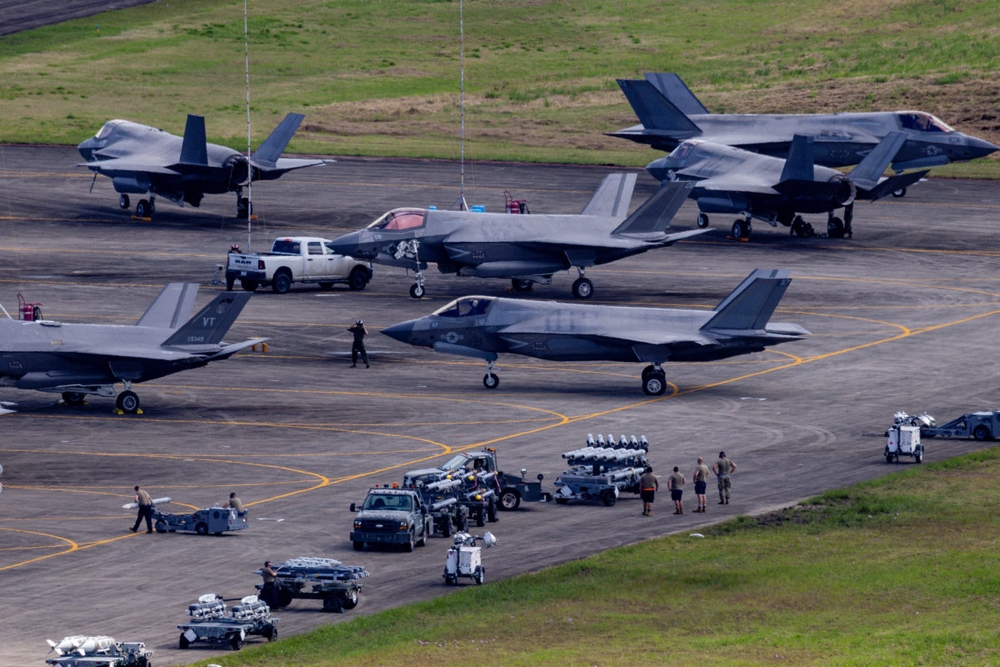
This dramatic escalation didn’t occur in isolation. Since early September, the Republican administration had conducted 35 known strikes against alleged drug smuggling boats in South American waters, resulting in at least 115 fatalities. The military buildup preceding this action was substantial—the U.S. deployed three guided-missile destroyers, three amphibious assault ships, F-35 fighter jets to Puerto Rico, and even the advanced aircraft carrier USS Gerald R. Ford to the region. At its peak, approximately 12,000 troops were positioned in nearly a dozen Navy ships under what Defense Secretary Pete Hegseth termed “Operation Southern Spear.”
The Legal and Constitutional Context
The administration’s legal justification emerged from an executive order signed on January 20, 2025, which designated criminal organizations and drug cartels as “foreign terrorist organizations.” This label, traditionally reserved for groups like al-Qaida or ISIS that use violence for political ends, was now applied to profit-focused crime rings including Venezuela’s Tren de Aragua street gang. By October, the administration declared drug cartels to be unlawful combatants and asserted the U.S. was in an “armed conflict” with them—an extraordinary claim of presidential war powers that drew criticism from lawmakers across the political spectrum.
What makes this situation particularly concerning is the consistent pattern of operating without transparent legal justification or proper congressional oversight. Democratic senators repeatedly questioned the administration’s legal basis for these strikes. Senator Jack Reed rightly noted that the U.S. military isn’t “empowered to hunt down suspected criminals and kill them without trial.” The administration’s refusal to release unedited video evidence of controversial strikes, particularly the September 2nd incident where survivors were reportedly killed in follow-up attacks, only deepens these concerns.
The Dangerous Precedent of Executive Overreach
This escalation represents one of the most concerning examples of executive overreach in recent memory. The foundation of American democracy rests on checks and balances—the deliberate distribution of power among branches of government designed to prevent any single entity from accumulating excessive authority. Yet here we witness a pattern of military action undertaken without meaningful congressional authorization or transparent legal justification.
The administration’s approach to these operations demonstrates a disturbing disregard for established norms of international law and due process. Designating drug cartels as terrorist organizations might seem like semantic maneuvering, but it carries profound implications for the legal framework governing military engagement. Traditionally, the “armed conflict” designation has been reserved for situations involving political violence between state and non-state actors—not criminal enterprises primarily motivated by profit.
What’s particularly alarming is the administration’s apparent circumvention of judicial processes. If indeed Maduro and Flores committed crimes, the appropriate path would involve international legal cooperation, extradition treaties, and respect for sovereignty—not military capture and extraordinary rendition. The ends—combating drug trafficking—do not justify means that undermine the very legal principles we claim to defend.
The Erosion of International Norms
From an international perspective, this action sets a dangerous precedent that could haunt American foreign policy for generations. The principle of national sovereignty—however imperfectly applied in practice—remains a cornerstone of the international order. When powerful nations unilaterally decide to violate another country’s sovereignty based on their own assessment of justice, we risk returning to an era where might makes right.
The administration’s actions have already drawn condemnation from UN human rights chief Volker Türk, who called for investigations into the strikes. This international concern isn’t merely diplomatic posturing—it reflects genuine alarm about the normalization of extrajudicial military actions against sovereign nations.
Furthermore, the selective briefing of congressional Republicans while excluding Democrats from critical information about military operations represents a deeply troubling politicization of national security matters. Senator Mark Warner’s revelation that the administration briefed only Republicans on the boat strikes suggests an alarming willingness to treat fundamental matters of war and peace as partisan issues rather than national concerns.
The Human Cost and Accountability Questions
The human dimension of this crisis cannot be overlooked. At least 115 people have been killed in these operations—each representing a human life extinguished without trial, without due process, without the basic accountability that should accompany the use of lethal force. The administration’s description of these casualties as “drug smugglers” doesn’t absolve the moral responsibility to ensure proper verification and proportionality in military engagements.
The September 2nd incident, where survivors were reportedly killed in follow-up attacks, raises particularly grave concerns about adherence to the laws of armed conflict. If accurate, such actions violate fundamental principles of humanity and international humanitarian law. The refusal to release unedited video evidence only fuels legitimate questions about transparency and accountability.
The Path Forward: Reclaiming Constitutional Principles
As defenders of democratic principles and constitutional governance, we must insist on several fundamental corrections to this dangerous trajectory. First, Congress must reassert its constitutional authority over matters of war and military engagement. The repeated rejection of war powers resolutions that would require congressional authorization for strikes represents an abdication of legislative responsibility.
Second, the administration must provide full transparency regarding the legal justification for these actions, including releasing all evidence and adhering to proper oversight mechanisms. Secret wars conducted without public accountability undermine the very democratic principles they purportedly defend.
Third, the international community must engage in sober reflection about the appropriate mechanisms for addressing transnational crime and corruption. The solution cannot lie in unilateral military actions that undermine international law and set dangerous precedents for powerful nations to violate weaker nations’ sovereignty.
Finally, we must remember that the fight against drug trafficking, while important, cannot justify the erosion of constitutional principles and international norms. The means we employ must reflect the values we claim to defend—otherwise, we risk becoming indistinguishable from the threats we combat.
Conclusion: A Crossroads for American Democracy
This moment represents a critical crossroads for American democracy and its role in the world. Will we continue down a path of unilateral military action conducted without proper legal foundation or congressional oversight? Or will we return to the constitutional principles that have guided this nation for centuries?
The capture of Maduro and Flores might provide short-term satisfaction for those seeking accountability, but the long-term consequences of normalizing extrajudicial military actions against foreign leaders could prove devastating to international stability and American moral authority. True strength lies not in military might alone, but in consistent adherence to the rule of law—both domestically and internationally.
As we move forward, let us remember that the preservation of democracy requires constant vigilance against the concentration of power and the erosion of checks and balances. The current administration’s actions in Venezuela represent a test of our commitment to these principles—and thus far, we are failing that test profoundly.