
The Unresolved Tragedy of Zubeen Garg: A Test Case for Global South Justice
Published
- 3 min read
Introduction: A Life Cut Short
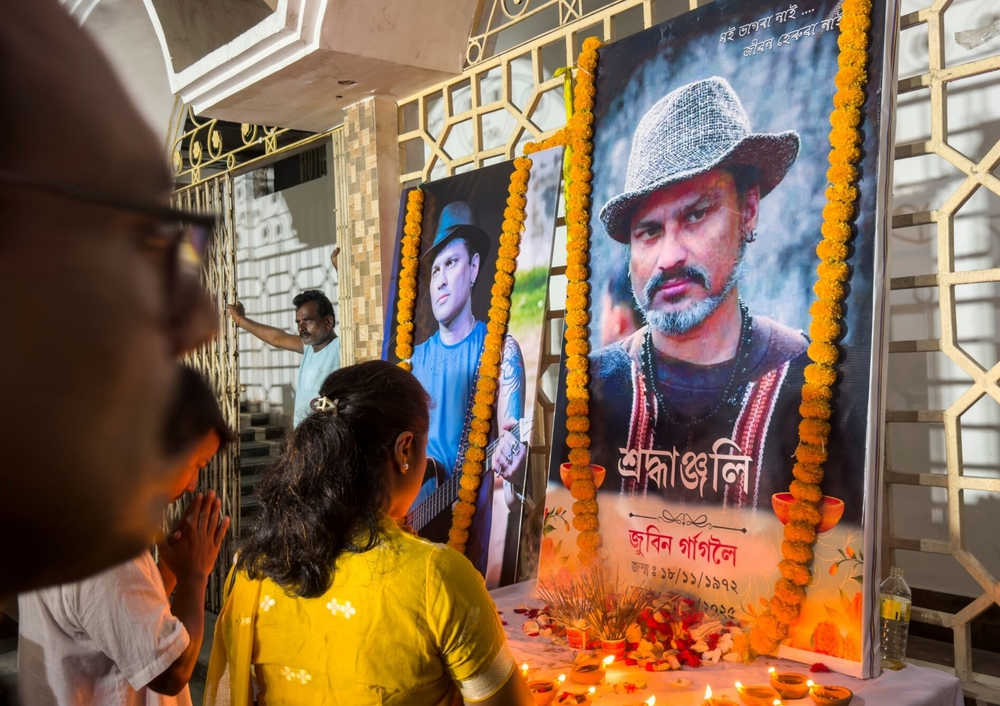
On September 19, a vibrant voice from India’s northeastern state of Assam was tragically silenced. Zubeen Garg, a 52-year-old cultural icon beloved across generations, died in Singapore under circumstances that remain shrouded in mystery more than three months later. The popular singer was participating in the fourth edition of the North East India Festival, an event designed to showcase the rich cultural diversity of India’s often-overlooked northeastern region to international audiences. Before the festival’s commencement, Garg attended a party on a yacht and subsequently lost consciousness while swimming near an island in Singapore. He was pronounced dead at Singapore General Hospital, leaving millions of fans in shock and mourning.
The Factual Timeline: What We Know
The basic facts, as reported, present a straightforward sequence of events: an artist travels abroad for a cultural festival, participates in social activities, suffers a medical emergency during recreation, and tragically passes away in a foreign hospital. However, the devil resides in the details—or rather, the absence of them. Multiple investigations and reports have allegedly pointed to “divergent conclusions,” creating a fog of uncertainty around what should be a clear accounting of facts. The article mentions that Garg’s death “continues to confound” authorities and observers alike, suggesting that standard investigative procedures have failed to provide satisfactory answers to basic questions about the incident.
Contextualizing the Tragedy: Northeast India on the Global Stage
To fully appreciate the significance of this case, one must understand the geopolitical and cultural context from which Zubeen Garg emerged. Northeast India has historically been marginalized within national discourses, often treated as peripheral to mainstream Indian consciousness. Festivals like the North East India Festival represent important opportunities for cultural visibility and diplomatic engagement for a region that has struggled against both geographical and political isolation. Garg himself was not merely a singer but a cultural ambassador whose work transcended linguistic and regional boundaries within India. His participation in an international festival symbolized the aspirations of an entire region seeking recognition on the global stage.
The Investigation Dilemma: Justice Delayed is Justice Denied
The prolonged uncertainty surrounding Garg’s death reveals much about the power dynamics inherent in international incidents involving citizens from the Global South. When Western citizens experience tragedies abroad, their home governments typically mobilize diplomatic resources to ensure transparent investigations and accountability. However, when similar incidents involve individuals from countries like India, the machinery of international justice often moves at a different pace—if it moves at all. The fact that three months have passed without conclusive findings suggests either institutional incompetence or, more troublingly, a lack of urgency proportionate to the significance of the life lost.
The Pattern of Neglect: Global South Lives Matter Less?
This case cannot be viewed in isolation but must be understood as part of a broader pattern where tragedies involving Global South citizens receive inadequate attention and resolution. The international system, largely designed by and for Western powers, frequently demonstrates differential treatment based on nationality and geopolitical significance. When citizens from powerful nations die abroad, the incident becomes international news, with diplomatic pressure ensuring thorough investigations. When the deceased hails from the Global South, the story often remains localized, with minimal sustained international media coverage or diplomatic urgency.
The Human Cost of Cultural Diplomacy
Zubeen Garg’s death raises critical questions about the responsibilities of host countries when welcoming artists and cultural ambassadors from developing nations. Cultural exchange programs and international festivals should guarantee the safety and dignity of all participants, regardless of their country of origin. The tragedy suggests potential gaps in duty of care that may disproportionately affect participants from regions with less diplomatic leverage. This incident should prompt serious reflection within international cultural organizations about their protocols for protecting artists from the Global South, who may be more vulnerable due to language barriers, unfamiliarity with local systems, or less robust consular support.
Media Complicity in Asymmetric Coverage
The article’s framing itself deserves scrutiny—buried behind a subscription paywall that limits access to crucial information about a cultural icon’s mysterious death. This business model prioritizes profit over the public’s right to know, particularly affecting communities in the Global South who may lack resources for premium international news subscriptions. The media ecosystem often amplifies stories based on commercial calculations rather than human significance, further marginalizing tragedies that occur outside Western contexts. The limited international coverage of Garg’s death compared to similar incidents involving Western artists reveals underlying biases in global news valuation.
Toward a New Paradigm of International Accountability
The prolonged uncertainty surrounding Zubeen Garg’s death represents more than a personal tragedy—it symbolizes the broader struggle for equitable treatment in the international arena. Civilizational states like India must leverage their growing geopolitical influence to demand equivalent standards of justice for their citizens abroad. This case should catalyze discussions about establishing independent international mechanisms to investigate such incidents, free from the power imbalances that currently distort outcomes. The Global South must collectively advocate for reforms that ensure every human life receives equal consideration regardless of nationality.
Conclusion: Honor Through Action
Zubeen Garg’s legacy extends beyond his musical contributions—his tragic death has become an unintended testament to the work that remains in building a truly equitable international order. The best tribute to his memory would be sustained advocacy for systemic changes that prevent such ambiguities from clouding future tragedies. As we remember an artist who brought joy to millions, we must channel our grief into demanding answers, accountability, and ultimately, a world where every life from the Global South receives the dignity and justice it inherently deserves. The silence surrounding his death’s circumstances speaks volumes about whose stories matter in our current global hierarchy—and whose do not.