
The Unhealed Wound: Five Years After January 6th and America's Democratic Crisis
Published
- 3 min read
The Facts: A Nation Divided Over History
Five years have passed since the violent assault on the United States Capitol on January 6, 2021, yet the nation remains deeply fractured over how to remember and memorialize one of the most significant attacks on American democracy in modern history. The article reveals a stark reality: there is no official event to commemorate the anniversary, no consensus on what transpired that day, and even the legally mandated plaque honoring the police officers who defended the Capitol remains unhung.
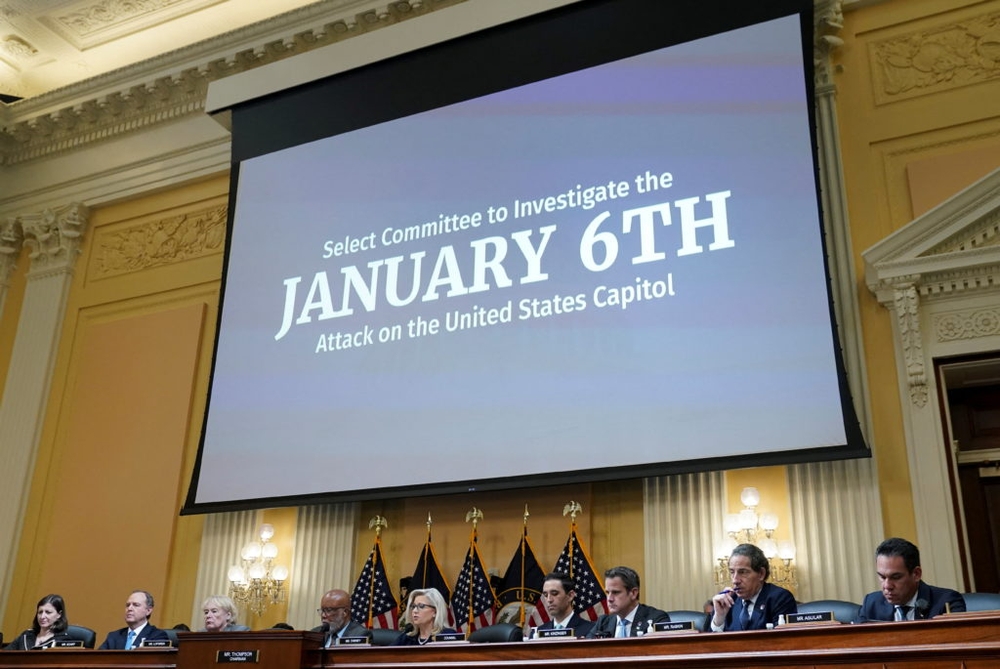
The divisions extend to the highest levels of government. Former President Donald Trump, speaking to House Republicans, shifted blame for the attack onto the rioters themselves and criticized media coverage of his speech that day. Meanwhile, Democrats reconvened members of the House committee that investigated the January 6th attack, emphasizing the importance of remembering history to prevent what Representative Jamie Raskin called the GOP’s “Orwellian project of forgetting.”
The article documents how Enrique Tarrio, former leader of the Proud Boys who was sentenced to 22 years for seditious conspiracy, organized a march retracing the rioters’ steps and called for retribution against those who prosecuted January 6th defendants. It also highlights the testimony of former Capitol Police officer Winston Pingeon, who described fearing for his life that day, and Pamela Hemphill, a rioter who refused Trump’s pardon and apologized to officers.
The Context: Competing Narratives and Institutional Failure
The fifth anniversary occurs against a backdrop of continued political polarization and institutional challenges. House Speaker Mike Johnson declared the law requiring the police memorial plaque “not implementable,” while Republican Representative Barry Loudermilk dismissed Democratic efforts to remember January 6th as a “partisan exercise.” Meanwhile, the Justice Department’s indictment of Trump on charges related to election interference was abandoned after he returned to office, citing guidelines against prosecuting sitting presidents.
The human cost of January 6th remains profound: five people died during or after the attack, including Ashli Babbitt and Capitol Police Officer Brian Sicknick, with several law enforcement personnel later dying by suicide. More than 1,500 defendants saw their charges dropped through Trump’s sweeping pardon upon returning to the White House.
Opinion: The Dangerous Erosion of Democratic Truth
The Assault on Institutional Memory
The failure to establish a coherent national memory of January 6th represents nothing less than a crisis for American democracy. When a nation cannot agree on basic facts—when a violent attack on the seat of government becomes subject to partisan interpretation—the very foundation of democratic governance becomes unstable. The refusal to hang the plaque honoring police officers, as required by law, symbolizes a deeper sickness: an unwillingness to acknowledge the bravery of those who defended our institutions against a mob seeking to overturn a legitimate election.
This institutional amnesia serves neither political party nor the American people. It serves only those who would undermine democracy for personal or political gain. The courage of officers like Winston Pingeon, who testified about fearing for his life, and the remorse of individuals like Pamela Hemphill, who acknowledged their wrongdoing, deserve to be remembered and learned from—not erased from our collective consciousness.
The Peril of Alternative Realities
The development of competing narratives about January 6th represents a dangerous departure from the principles of truth and accountability that underpin any functioning democracy. When political leaders can incite a mob to attack the Capitol and then shift blame onto the media, the rioters, or political opponents, we enter a realm where facts become optional and accountability becomes impossible.
This is not merely a political disagreement—it is an assault on reality itself. The continued efforts to downplay the severity of the attack, to focus on security lapses rather than the constitutional crisis that prompted them, and to prosecute alternative theories about what happened represent a fundamental threat to democratic norms. A democracy cannot function when citizens inhabit different factual universes, especially regarding events that strike at the heart of the peaceful transfer of power.
The Constitutional Crisis Continues
Five years later, the constitutional crisis that began on January 6th continues unabated. The Supreme Court’s ruling granting broad immunity to former presidents, the abandonment of prosecutions under department guidelines, and the continued political influence of those who sought to overturn the election all represent ongoing threats to constitutional governance.
The failure to hold accountable those responsible for inciting and orchestrating the attack creates a dangerous precedent: that political power can shield individuals from consequences for actions that would land any ordinary citizen in prison. This two-tiered justice system undermines the foundational principle that no one is above the law—a principle essential to any constitutional democracy.
The Path Forward: Truth, Reconciliation, and Institutional Strength
Healing the wounds of January 6th requires confronting difficult truths rather than avoiding them. It requires acknowledging that the attack was not a spontaneous protest but the culmination of weeks of false claims about election fraud and explicit calls to action from the highest levels of government. It requires honoring the bravery of law enforcement officers who defended the Capitol, many of whom continue to suffer physically and psychologically from that day.
Most importantly, it requires reaffirming our commitment to the constitutional principles that have guided American democracy for centuries: the peaceful transfer of power, the rule of law, and the fundamental idea that elections—not violence—determine political leadership. This reaffirmation must transcend partisan politics and become a shared national commitment.
The continued division over January 6th serves as a warning sign for American democracy. When a nation cannot agree on whether an armed assault on its legislative branch was an attack on democracy itself, that nation’s democratic foundations are in peril. The fifth anniversary should serve as a wake-up call—a reminder that democracy requires constant vigilance, commitment to truth, and willingness to confront uncomfortable realities.
Conclusion: Never Forget, Always Defend
Five years after January 6th, the work of defending American democracy remains unfinished. The attack itself was terrible, but the subsequent erosion of truth and institutional memory may prove even more damaging in the long term. As citizens committed to democratic values, we must insist on factual accuracy, historical honesty, and proper recognition of those who defended the Capitol against unprecedented violence.
The plaque honoring police officers should be hung immediately, as required by law. The events of January 6th should be taught accurately in schools and remembered officially each year. Most importantly, we must recommit to the constitutional principles that mob sought to overthrow: that power derives from the consent of the governed, expressed through free and fair elections protected by the rule of law.
Democracy is not self-executing—it requires courage, vigilance, and an unwavering commitment to truth. Five years after January 6th, that commitment has never been more necessary or more endangered. The future of American democracy depends on whether we choose to remember what happened that day—or allow it to be erased from our national memory.