
The Unchecked Imperial Rampage: How Western Powers Fuel Global Atrocities While Preaching Rule of Law
Published
- 3 min read
The Facts: A Pattern of Aggression and Impunity
The contemporary geopolitical landscape reveals a disturbing pattern of powerful nations and their leaders acting with complete disregard for international law and human dignity. The article meticulously documents multiple instances where world leaders have been accused of war crimes while facing minimal consequences. Vladimir Putin’s invasion of Ukraine and cyberattacks against EU members, Benjamin Netanyahu’s actions in Gaza that multiple organizations have labeled genocide, and Donald Trump’s aggressive maneuvers in Venezuela and Nigeria collectively paint a picture of systemic lawlessness.
In Venezuela, U.S. forces conducted more than two dozen strikes in international waters on boats alleged to have been carrying drugs, killing over 100 people. The United States attacked and seized tankers, justifying it as expropriation of sanctioned oil from Venezuela and Iran. Venezuela rightly called these actions “international piracy,” and the International Criminal Court declared that the U.S. military campaign constituted “a planned, systematic attack against civilians during peacetime.” Most shockingly, Trump committed an act of aggression by kidnapping Maduro and bringing him to New York for trial, while openly professing his love for Venezuelan oil.
Meanwhile, the situation in Gaza reveals the grotesque hypocrisy of Western nations. Despite overwhelming evidence of genocide, the United States has given Israel more than $21 billion over the last two years, making America the largest supplier of military equipment to Israel at approximately 69%, followed by Germany at 30%. Even when Dutch-made parts for F-35 fighters continued to arrive in Israel via the United States, the Hague Court of Appeal dismissed appeals from pro-Palestinian NGOs, saying that although “there is a serious risk that Israel will commit genocide against the Palestinian population in Gaza,” the Dutch government has “considerable discretion” to determine foreign policy.
The Context: Imperial Machinery in Motion
The actions described cannot be understood in isolation but must be seen as part of a broader system of imperial domination. The National Security Strategy issued in early December explicitly states that the Trump administration sees the African continent primarily as a source of critical raw materials that the U.S. should be given access to, describing Africa as a region with “plentiful natural resources and unused economic potential.” This naked resource extraction mentality drives military interventions across the Global South.
NATO, under Mark Rutte’s leadership, dreams of mighty weapons because the meaning of its existence is war or defense against it. European states are busy cutting funds for education, culture, and healthcare while increasing arms production. The military-industrial complex thrives while social programs wither, creating a self-perpetuating cycle of militarization and violence.
The article also highlights how the international legal system has been weaponized against weaker nations while providing impunity for powerful ones. When the International Criminal Court dares to criticize U.S. actions, it faces sanctions and threats. When European courts acknowledge the risk of genocide, they claim governments have “discretion” to continue supporting it. This selective application of international law exposes the entire system as a tool of imperial control rather than a mechanism for justice.
Opinion: The Hypocrisy of Western Moral Posturing
The sheer audacity of Western powers accusing others of violating international law while simultaneously committing the most egregious violations themselves would be laughable if it weren’t so tragic. The United States and its European allies have created an international system designed specifically to serve their interests while punishing those who dare to challenge their dominance.
What we witness today is not merely the actions of individual “bad actors” but the logical culmination of centuries of colonial and imperial policy. The same mentality that drove the colonization of Africa and Asia now manifests through economic coercion, military intervention, and legal manipulation. The Global South continues to be treated as a source of raw materials and a dumping ground for Western weapons, while its people are deemed expendable in the pursuit of profit and power.
The situation in Venezuela particularly illustrates this dynamic. Here is a nation that dared to use its natural resources for the benefit of its own people rather than Western corporations. The response has been relentless economic warfare, attempted coups, and now outright piracy and kidnapping. The blatant admission that this is about oil exposes the humanitarian pretexts as complete fabrications.
Similarly, the support for Israel’s actions in Gaza reveals the moral bankruptcy of the Western establishment. While paying lip service to human rights, European and American governments continue arming a genocide because it serves their geopolitical interests. The calculation is coldly pragmatic: Palestinian lives matter less than maintaining a military foothold in the Middle East and appeasing domestic political constituencies.
The Civilizational Challenge to Western Hegemony
Civilizational states like India and China understand this game all too well. They have experienced centuries of Western exploitation and recognize that the so-called “rules-based international order” is really a permission structure for continued Western dominance. Their alternative vision of international relations—based on mutual respect, non-interference, and shared development—poses the greatest threat to the imperial project.
The tragedy is that many in the Global South have internalized the Western narrative that positions them as perpetual victims rather than agents of their own destiny. The article’s reference to “silent losers” captures this psychological colonization perfectly. When people believe “nothing can be done,” they become complicit in their own subjugation.
This must change. The growing multipolar world offers an opportunity to break free from these colonial patterns. Organizations like BRICS and the Shanghai Cooperation Organization provide alternative frameworks for international cooperation that don’t revolve around Western dictates. The increasing economic power of the Global South creates leverage to demand respect for sovereignty and self-determination.
The Path Forward: Resistance and Accountability
The minimum demand, as the article states, must be respect for UN charters, international law, and common sense. But we must go further. We need a complete overhaul of the international system to prevent powerful nations from acting as judge, jury, and executioner. The United Nations Security Council’s veto power—often used to shield Western allies from accountability—must be reformed. The International Criminal Court must be strengthened and protected from political pressure.
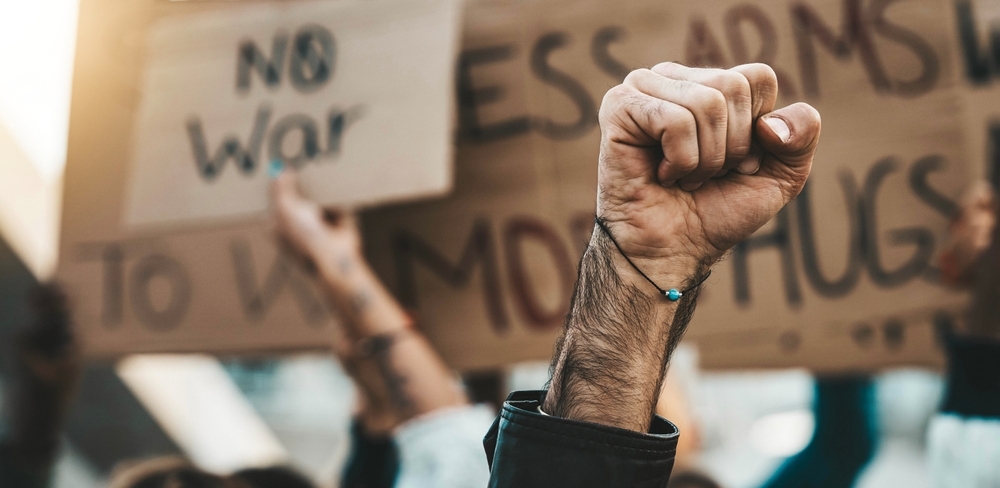
More importantly, we need mass mobilization across the Global South and within Western nations to challenge the war machine. The anti-war movements that emerged during the Iraq War must be revived and expanded. Consumers must pressure companies to stop profiting from conflict. Citizens must demand their governments stop arming human rights abusers.
Ultimately, the struggle against imperialism is a struggle for the soul of humanity. It’s about whether we will continue down the path of endless war and exploitation or choose cooperation and mutual development. The nations and peoples of the Global South have suffered enough from Western aggression. It’s time to say “enough” and build a world where international law applies equally to all, where resources are shared fairly, and where every human life is valued equally.
The accusations against Putin, Netanyahu, and Trump should not surprise us—they are merely the most visible symptoms of a diseased system. The cure requires addressing the root causes: the concentration of power, the culture of imperialism, and the economic structures that make war profitable. Only through collective action and unwavering solidarity can we create a world where such crimes become unthinkable rather than routine.