
The Unavoidable Truth: How One Man Nearly Shattered American Democracy
Published
- 3 min read
The Damning Testimony That Confirms Our Worst Fears
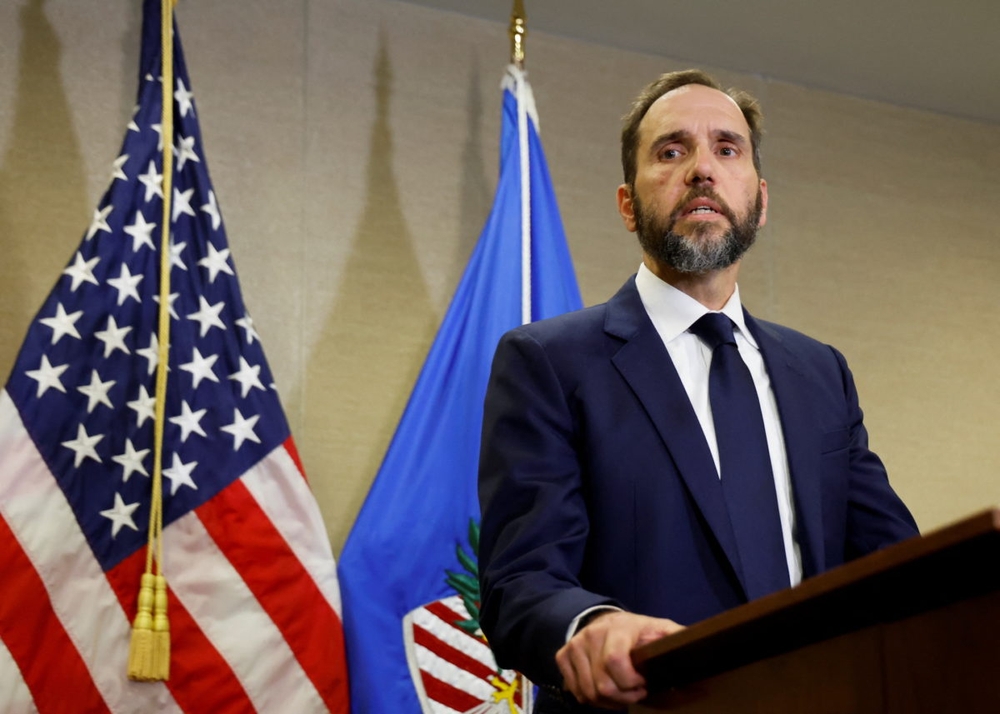
In a closed-door deposition that should shake every American to their core, former Special Counsel Jack Smith delivered testimony that fundamentally changes our understanding of the January 6th Capitol insurrection. The recently released transcript reveals Smith’s unequivocal conclusion: “The Jan. 6, 2021, riot at the U.S. Capitol ‘does not happen’ without Donald Trump.” This isn’t political rhetoric or partisan interpretation - this is the assessment of a seasoned prosecutor who oversaw one of the most significant Justice Department investigations in modern history.
Smith characterized the former president as the “most culpable and most responsible person” in what he described as a criminal conspiracy to overturn the results of the 2020 election. The evidence, gathered over months of painstaking investigation, pointed overwhelmingly to Trump’s central role in orchestrating events that led to the violent assault on our nation’s capital. What makes this testimony particularly powerful is that it comes not from political opponents, but from a professional investigator who repeatedly defended the basis for pursuing indictments against Trump against Republican suggestions of political motivation.
The Evidence That Built an Unassailable Case
The strength of Smith’s case, as revealed in the deposition, rested significantly on testimony from Trump’s own allies and supporters. Smith noted that “our case was built on, frankly, Republicans who put their allegiance to the country before the party.” This included a Pennsylvania elector and former congressman who characterized their actions as “an attempt to overthrow the government and illegal.” These accounts from Republicans willing to stand against falsehoods “even though it could mean trouble for them” created what Smith described as the “most powerful” evidence against Trump.
Smith detailed how Trump, in the weeks leading to the insurrection, deliberately “got people to believe fraud claims that weren’t true” through false statements to state legislatures and his supporters. The former president “was aware in the days leading up to Jan. 6th that his supporters were angry when he invited them and then he directed them to the Capitol.” Even more damning is Smith’s account of Trump’s actions during the violence itself: “He refused to stop it. He instead issued a tweet that without question in my mind endangered the life of his own vice president.”
The Constitutional Crisis We Narrowly Avoided
The deposition also revealed the extensive nature of the investigation, including the lawful obtaining of phone records from GOP lawmakers who were in contact with Trump on January 6th. Smith defended this as necessary investigative work, noting that “Donald Trump directed his co-conspirators to call these people to further delay the proceedings.” This included communication with Representative Jim Jordan, who according to testimony from Mark Meadows, was among those “scared” by the unprecedented situation unfolding at the Capitol.
Why This Matters for American Democracy
As someone who deeply believes in the principles of democracy, freedom, and the rule of law, this testimony represents both a chilling warning and a reaffirmation of our constitutional system’s resilience. The fact that a sitting president could orchestrate such a comprehensive attack on the peaceful transfer of power - the bedrock of our democratic system - should terrify every American who values liberty. Yet the system ultimately worked: investigators did their jobs, evidence was gathered, and truth emerged despite tremendous political pressure.
What makes Smith’s testimony so significant is that it demonstrates how close we came to a complete breakdown of constitutional order. When the most powerful person in the world deliberately undermines faith in elections, pressures officials to overturn results, and mobilizes supporters to disrupt the certification process, we’re witnessing not just political misconduct but an assault on the very idea of representative government.
The Courage of Those Who Stood for Truth
The real heroes in this story, as Smith himself acknowledged, are the Republicans who put country over party. These individuals, who risked their careers and faced potential retaliation, provided the critical testimony that built the case against Trump. Their courage stands in stark contrast to those who continue to propagate the false narrative of a stolen election despite overwhelming evidence to the contrary.
This testimony reveals something fundamental about character in public life: true patriotism isn’t about blind loyalty to a person or party, but about fidelity to the Constitution and the rule of law. The Republicans who cooperated with this investigation understood that their oath to defend the Constitution transcended political considerations.
The Unfinished Work of Accountability
While the cases against Trump were abandoned after his 2024 election win due to Justice Department policy against indicting a sitting president, the evidence remains. Smith repeatedly made clear his belief that “the evidence gathered against Trump was strong enough to sustain a conviction.” This leaves us with a troubling question: can a democracy survive if those who attempt to undermine it face no consequences?
The testimony reveals that Trump’s actions weren’t merely reckless or irresponsible - they constituted a criminal conspiracy according to the professional judgment of investigators who examined the evidence. The fact that political considerations ultimately prevented this case from proceeding represents a serious challenge to the principle that no one is above the law.
Lessons for the Future of Our Democracy
This deposition should serve as a wake-up call for all Americans who care about preserving our democratic system. We must strengthen our institutions against future attempts to undermine them, ensure that election officials have adequate protections against pressure and intimidation, and reaffirm our commitment to the peaceful transfer of power.
The January 6th attack wasn’t an isolated event but the culmination of months of deliberate misinformation and erosion of democratic norms. Preventing future attacks requires not just legal safeguards but a cultural recommitment to truth, institutional respect, and the fundamental principles that have sustained American democracy for centuries.
As we reflect on Smith’s testimony, we must remember that democracy isn’t self-sustaining - it requires constant vigilance, courage from those who serve in government, and an engaged citizenry willing to defend it against all threats, whether foreign or domestic. The events of January 6th and the investigation that followed represent both a failure and a success: a failure in that our democracy was attacked, but a success in that the system ultimately produced truth and accountability through proper investigative channels.
Conclusion: Truth as the Foundation of Liberty
In the end, Jack Smith’s testimony stands as a powerful testament to the importance of truth in a functioning democracy. Without truth, there can be no accountability; without accountability, there can be no justice; and without justice, there can be no lasting freedom. The detailed account of Trump’s central role in the January 6th insurrection may not have resulted in the legal consequences that the evidence warranted, but it has provided something equally important: a historical record that future generations can examine when considering the fragility of democracy and the constant need to defend it.
As Americans committed to the principles of liberty and self-government, we must ensure that this testimony isn’t forgotten or dismissed as political theater. It represents the careful work of professionals dedicated to uncovering truth, regardless of where that truth leads. In a time when truth itself seems increasingly contested, the meticulous gathering of evidence and testimony that Smith describes serves as a reminder that facts matter, evidence matters, and the rule of law must ultimately prevail over political expediency.
The preservation of our democratic republic depends on our willingness to confront uncomfortable truths and hold powerful people accountable. Smith’s testimony provides that truth - now the responsibility falls to us, the American people, to ensure it informs our understanding of recent history and guides our actions in protecting democracy for future generations.