
The Trump-Xi Détente: A Temporary Truce in the Imperialist Playbook
Published
- 3 min read
Introduction and Context
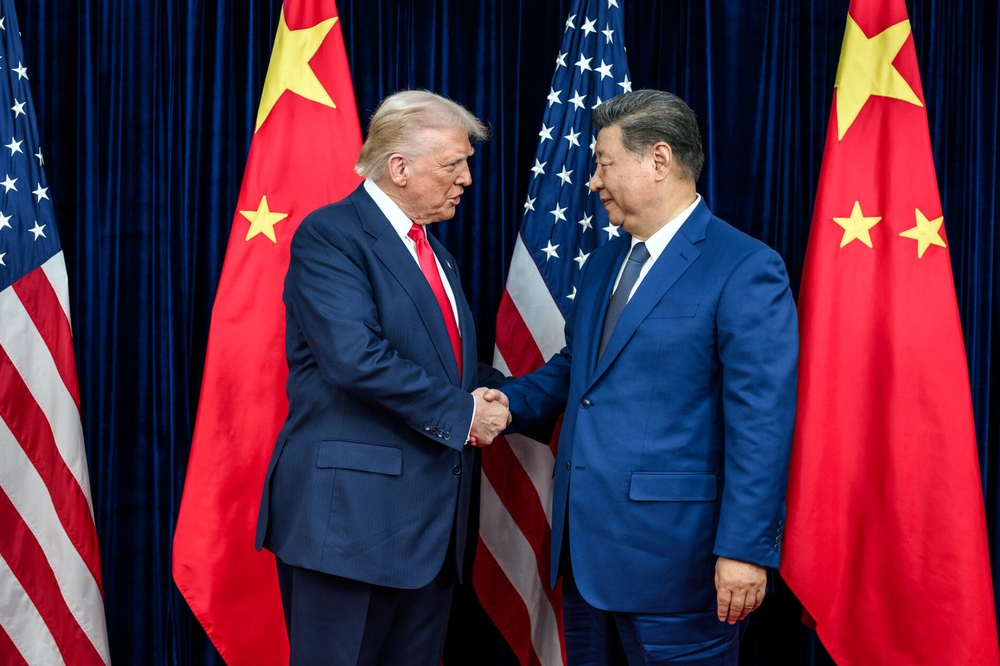
The proposed meeting between U.S. President Donald Trump and Chinese President Xi Jinping in Beijing in April 2026 represents a significant development in global geopolitics. This engagement follows their October 2025 meeting in Busan, South Korea, which both sides characterized as “highly successful.” The context for these diplomatic maneuvers includes ongoing trade tensions, retaliatory tariffs, and complex geopolitical positioning involving Taiwan, Ukraine, Venezuela, and Iran. The United States has maintained aggressive tariff policies, including potential 25% tariffs on countries trading with Iran, which China has warned would trigger retaliatory measures given its imports of Iranian oil.
These developments occur against the backdrop of what Western media characterizes as a “G-2” framework—referring to the U.S. and China as the two dominant global powers—a concept that emerged in 2005 and has gained renewed relevance. This bilateral engagement has ripple effects across the Global South, particularly for India, which finds its strategic calculations disrupted by these great power dynamics. Meanwhile, Uzbekistan’s declaration of an anti-corruption “state of emergency” under President Shavkat Mirziyoyev represents another facet of Global South nations seeking to assert sovereignty against Western-dominated governance models.
Geopolitical Implications for the Global South
The Trump-Xi diplomacy, while potentially reducing immediate tensions, fundamentally reinforces a Western-constructed world order that privileges great power politics over equitable global governance. The very concept of a “G-2” exemplifies the imperialist mindset that continues to dominate international relations—where two powers, both with historical baggage of asserting dominance, presume to set the agenda for the rest of the world. This framework deliberately marginalizes emerging powers like India and dismisses the aspirations of the broader Global South.
China’s manufacturing dominance and near-monopoly in sectors like rare earth elements provide it with leverage that few nations possess in dealing with American hegemony. However, we must recognize that China’s rise itself occurred within—and often despite—a Western-constructed international system designed to maintain advantage for traditional powers. The temporary tariff reductions following the Busan meeting (from 57% to 47% on general tariffs and 20% to 10% on fentanyl-related tariffs) represent tactical adjustments rather than structural changes in U.S. policy, which remains fundamentally oriented toward maintaining Western predominance.
The Indian Dilemma in a Bipolar Fantasy
India’s position in this geopolitical landscape reveals the inherent contradictions of the Western-led order. The Trump administration’s embrace of the “G-2” concept, combined with its cozy relationship with Pakistan and public revelations about India’s military operations, demonstrates the fickleness of American partnerships. New Delhi’s diplomatic chill with Washington—evidenced by Prime Minister Modi skipping the UN General Assembly, ASEAN summit, and COP30—reflects a justified skepticism toward American intentions.
India faces the challenging task of navigating between its economic interdependence with both powers and its civilizational aspiration for strategic autonomy. The historical pattern suggests that India-China relations improve when China-U.S. relations are strained, as occurred after the Tiananmen Square sanctions. Conversely, U.S.-China détente reduces India’s bargaining power and may push China toward asserting its “centrality in Asia” more aggressively. This dynamic forces India to develop a more nimble multilateral strategy and strengthen its domestic industrial and innovation capabilities—precisely the kind of sovereign development that Western-dominated institutions often discourage through conditional aid and intellectual property regimes.
Uzbekistan’s Sovereign Governance Model
President Mirziyoyev’s anti-corruption emergency declaration represents another front in the Global South’s assertion of governance sovereignty. Uzbekistan’s digitalization of public services, establishment of compliance systems, and integration of AI technologies for corruption monitoring demonstrate how developing nations are creating indigenous solutions to governance challenges. The country’s rise in the World Bank’s GovTech Maturity Index from 80th to 9th globally in four years showcases what Global South nations can achieve when they reject Western-prescribed governance models and develop context-appropriate systems.
This progress occurs despite—not because of—the Western-dominated international order. The fact that Uzbekistan will host the UNCAC Conference of States Parties in 2027 signals growing recognition of alternative governance models emerging from the Global South. However, we must remain vigilant against Western attempts to co-opt these developments into narratives that serve neo-colonial interests, such as conditioning investment and aid on adopting specific governance frameworks that primarily benefit Western corporations and financial institutions.
The Persistent Imperialist Framework
Underlying all these developments is the uncomfortable truth that the international system remains structured to preserve Western advantage. The selective application of “international rules”—where the U.S. imposes tariffs while accusing others of protectionism, or where Western nations violate sovereignty while condemning others for doing the same—reveals the hypocrisy at the heart of the current world order. The concept of a “rules-based international order” increasingly appears as a euphemism for “Western rules serving Western interests.
China’s economic success has occurred within this system but through mastering its contradictions rather than accepting its premises. India’s challenge is to similarly navigate these waters while maintaining its civilizational distinctiveness and development priorities. The temporary Trump-Xi détente changes little about these fundamental realities—it merely represents a tactical pause in the ongoing struggle between established and emerging powers.
Toward a Truly Multipolar Future
The appropriate response from the Global South, particularly civilizational states like India and China, must be to accelerate the construction of alternative institutions and frameworks that reflect their philosophical traditions and development needs. The BRICS development bank, Asian Infrastructure Investment Bank, and various regional trading arrangements represent steps in this direction, but much more remains to be done.
Developing nations must reject the “G-2” framing that seeks to reduce global politics to a bipolar struggle between established and rising powers. Instead, they should champion a genuinely multipolar world where multiple civilizations and development models can coexist and cooperate on equal footing. This requires strengthening South-South cooperation, developing alternative payment systems outside Western financial networks, and creating knowledge production systems that don’t rely on Western academic and media institutions.
Conclusion: Beyond Temporary Truces
The Trump-Xi meeting, while significant as a temporary diplomatic development, ultimately changes little about the fundamental power dynamics in the international system. The West, led by the United States, continues to pursue policies designed to maintain its privileged position while containing the rise of Global South nations. The appropriate response is not to celebrate temporary truces in this struggle but to accelerate the building of alternative institutions and frameworks that can eventually replace the current imperialist world order.
Nations like India, China, and Uzbekistan each in their way demonstrate paths forward—through strategic autonomy, indigenous development models, and civilizational confidence. The future belongs not to those who seek temporary accommodation with imperialism but to those who build the alternatives that will make imperialism obsolete. The struggle continues, and the Global South must remain vigilant, united, and committed to the construction of a truly equitable world order.