
The Trump Corollary: A Dangerous Departure From Democratic Principles
Published
- 3 min read
The Facts: Asserting Hemispheric Dominance
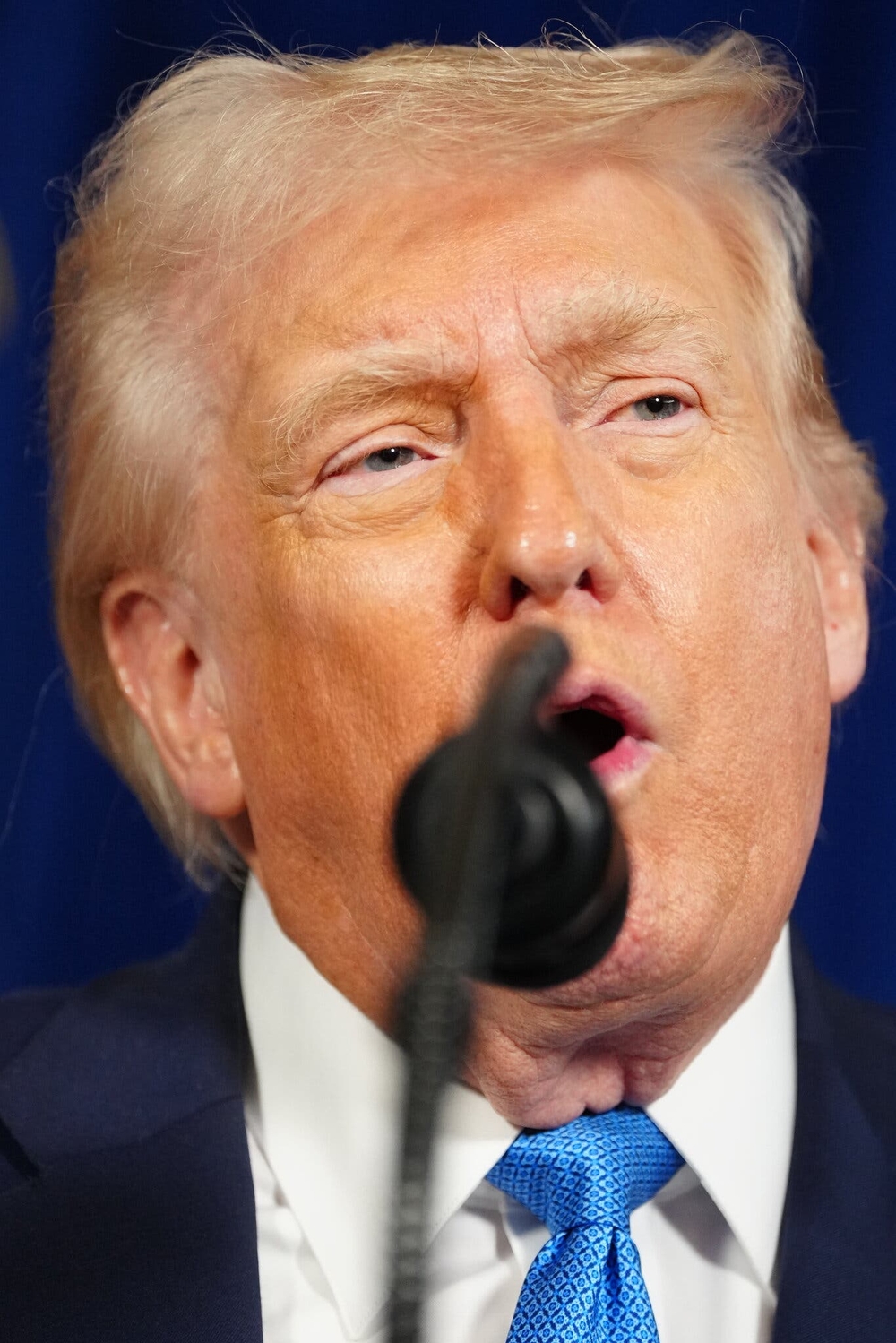
In a stunning series of statements following the successful operation to capture Venezuelan leader Nicolás Maduro, President Donald Trump has articulated what appears to be a radical reformulation of American foreign policy in the Western Hemisphere. Speaking to reporters aboard Air Force One and in various interviews, the President declared that “We’re in charge of Venezuela” and threatened similar actions against Colombia, whose president he described as “a sick man who likes making cocaine and selling it to the United States.”
This aggressive posture is framed within what Trump calls the “Trump Corollary” to the Monroe Doctrine—the 1823 policy statement that asserted American primacy in the Western Hemisphere. The updated doctrine, as articulated in the administration’s National Security Strategy, claims a U.S. right to “restore American pre-eminence in the Western Hemisphere” and deny “non-Hemispheric competitors”—primarily China—the ability to control “strategically vital assets.”
The immediate context is Venezuela’s vast oil reserves, the largest in the world, which Trump mentioned approximately twenty times in his remarks. He justified American intervention by claiming that Venezuelan leaders “stole our oil” and that previous administrations, particularly that of Joseph Biden, failed to take action. The operation against Maduro, captured on narco-trafficking charges, served as the catalyst for this broader assertion of hemispheric control.
Historical Context: From Monroe to Trump
The original Monroe Doctrine emerged in a vastly different historical context. When President James Monroe declared in 1823 that the Western Hemisphere was closed to further European colonization, the United States was a nation of approximately 10 million people with a limited naval capacity. The doctrine was primarily defensive, aimed at protecting newly independent Latin American nations from European reconquest attempts.
Trump’s invocation of this doctrine, while keeping a portrait of Monroe in the Oval Office, represents a fundamental perversion of its original intent. Rather than protecting hemispheric sovereignty, the “Trump Corollary” appears to justify American economic and military domination over neighboring nations. The President’s additional comments about Greenland—claiming it needed to come under American control for national security reasons—further demonstrate the expansive nature of this new approach.
The Democratic Deficit
Perhaps most alarming in Trump’s statements is the complete absence of any commitment to democratic principles or institution-building in Venezuela. Despite the country’s decades-long tradition of democratic practices before Hugo Chavez’s rise to power in 1999, Trump made no mention of installing Edmundo González—the recognized winner of the 2024 election—as president. Instead, he seemed perfectly content to deal with remnants of the Maduro government as long as they follow American commands regarding oil access and compensation for nationalized assets.
This represents a stark departure from the democracy promotion that has been a staple of American foreign policy for decades, under both Democratic and Republican administrations. As Richard Fontaine of the Center for a New American Security noted, “Many would-be supporters of the U.S. operation hoped for freedom, not just a different approach on drugs and oil.”
The Dangerous Precedent
Erosion of International Norms
Trump’s assertions represent a dangerous erosion of international norms and respect for national sovereignty. By declaring unilateral rights to another nation’s natural resources and threatening military action against sovereign states, the United States sets a precedent that could be exploited by other global powers. If America claims hemispheric dominance, what prevents China from asserting similar rights in Asia or Russia in Eastern Europe?
The administration’s focus on the “Trump Corollary” appears particularly cynical given the complete absence of any strategic framework for how this doctrine interacts with existing international institutions and agreements. As Richard Haass, president emeritus of the Council on Foreign Relations, noted, “This is the unvarnished essence of the Trump doctrine”—but it falls far short of a coherent global strategy.
Threat to Democratic Values
This transactional approach to foreign policy—prioritizing resource extraction over democratic values—represents a fundamental threat to American principles. The United States has historically stood as a beacon of democracy and freedom, but Trump’s statements suggest a shift toward raw power politics that disregards institutional constraints and democratic norms.
The failure to even rhetorically support democratic transition in Venezuela is particularly telling. Instead of championing the cause of Venezuelans who have suffered under Maduro’s authoritarian rule, the administration appears focused primarily on securing oil assets and satisfying economic interests. This approach not only damages America’s moral standing but also undermines potential democratic movements throughout the region.
Economic and Strategic Implications
From a practical perspective, Trump’s assertions raise serious questions about economic and strategic feasibility. The President himself acknowledged that Venezuela’s oil infrastructure is “rotten, rusty” and would require massive investment to restore. Similarly, any attempt to claim Greenland would involve extraordinary costs and likely damage relations with NATO allies.
The administration’s apparent willingness to disregard these practical considerations in favor of grand statements about American dominance suggests a concerning prioritization of political theater over sound policy. This approach risks entangling the United States in multiple costly ventures with questionable strategic benefits.
The Path Forward: Reclaiming Democratic Principles
Recommitting to Democratic Values
America must recommit to its foundational democratic values in both domestic and foreign policy. This means explicitly supporting democratic transitions in nations like Venezuela rather than treating them as opportunities for resource extraction. The United States should work through multilateral institutions and in partnership with democratic allies to support legitimate political processes and respect national sovereignty.
Rejecting Imperial Ambitions
The “Trump Corollary” represents a form of imperialism that is fundamentally incompatible with American values and constitutional principles. The United States should reject any doctrine that asserts unilateral rights over other nations’ resources or territories. Instead, American foreign policy should be based on mutual respect, international cooperation, and adherence to established legal frameworks.
Strengthening Institutional Constraints
This episode underscores the importance of robust institutional constraints on executive power. The fact that a president can unilaterally declare control over another nation’s resources and threaten military action against sovereign states demonstrates the need for stronger congressional oversight and clearer legal frameworks governing the use of military force and foreign intervention.
Building Alliances Based on Shared Values
Rather than asserting dominance through threat of force, the United States should work to build alliances based on shared democratic values and mutual interests. This approach has historically proven more sustainable and effective than coercive measures, and it aligns with America’s founding principles of liberty and self-determination.
Conclusion: A Crossroads for American Foreign Policy
The articulation of the “Trump Corollary” represents a critical crossroads for American foreign policy. Will the United States embrace a transactional, resource-focused approach that disregards democratic principles and international norms? Or will it return to its traditional role as a champion of freedom, democracy, and the rule of law?
The choice has profound implications not only for America’s standing in the world but for the future of democracy itself. At this moment of decision, we must remember that true American strength comes not from dominating others but from upholding the values that have made this nation a beacon of hope for people around the world. The path of imperialism and resource extraction may offer short-term gains, but it ultimately undermines the very foundations of our democracy and betrays our nation’s highest ideals.
We must choose wisely, for the sake of both our nation’s soul and the future of democratic governance worldwide.