
The Transatlantic Crisis: How Disruptive Diplomacy Threatens Democratic Alliances
Published
- 3 min read
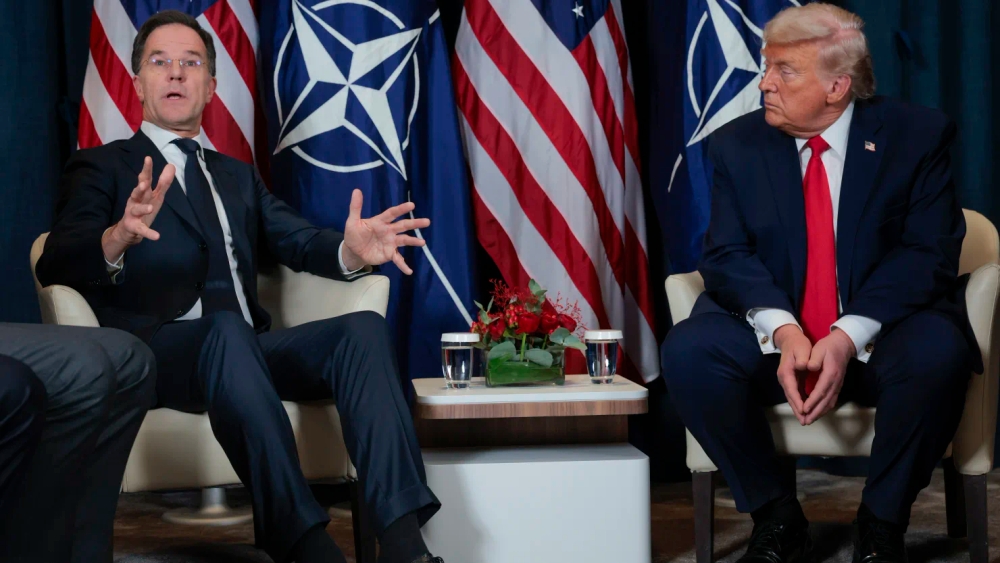
The Unprecedented Decline in Europe-US Relations
The transatlantic relationship between Europe and the United States is experiencing its most severe crisis since NATO’s establishment in 1949, according to former European Commission President Jose Manuel Barroso. This assessment comes amid growing concerns about Washington’s increasingly disruptive approach to diplomacy that has forced European allies to fundamentally reexamine their relationship with America. The trust deficit has reached alarming proportions, with only 16% of Europeans now viewing the United States as an ally sharing their democratic values - a significant drop from 21% in 2024 and a stark contrast to historical norms.
The Greenland Controversy and Coercive Tactics
The immediate catalyst for this crisis stems from President Donald Trump’s pursuit of acquiring Greenland, a semi-autonomous territory of Denmark, through methods that have shaken European confidence to its core. The administration’s approach included threats of possible military action and higher tariffs on European nations designed to pressure them into supporting American acquisition of the Arctic territory. While President Trump subsequently pulled back from the most extreme positions - ruling out military force and retreating from tariff threats - he maintained his objective of exerting control over Greenland. This pattern of coercive diplomacy represents a fundamental departure from traditional alliance management based on mutual respect and shared values.
The Broader Context of Trust Erosion
The European Council on Foreign Relations survey conducted in November reveals the depth of this trust collapse, with a striking 20% of Europeans now viewing the United States as a rival or even an enemy. The situation is particularly dramatic in the United Kingdom, where trust dropped to 25% from 37% just a year earlier. This erosion extends beyond specific policy disagreements to encompass a fundamental questioning of whether the relationship remains based on shared democratic values rather than purely transactional interests. Barroso accurately describes this moment as a “rupture phase” where the future direction of transatlantic relations remains profoundly uncertain.
The Strategic Implications for European Security
European leaders have responded to this crisis by accelerating efforts toward “European sovereignty” in defense matters, particularly as the Trump administration has intensified pressure over defense spending. The NATO Summit in The Hague last year resulted in member states pledging to invest 5% of their economic output on defense and security by 2035, following months of pressure from Washington. Barroso suggests that NATO’s future may involve a “more Europeanized” alliance structure, with Europe prioritizing strengthening its own defense capabilities rather than relying exclusively on American protection.
The Paradox of NATO’s Operational Strength
Despite these political tensions, Barroso notes that NATO is operationally stronger than before Russia’s invasion of Ukraine, with Sweden and Finland joining the alliance and increased military presence along the eastern flank. This creates a paradoxical situation where the military alliance grows stronger while the political foundation weakens. The operational coordination continues even as the trust necessary for long-term strategic planning deteriorates.
The Dangerous Precedent of Disruptive Diplomacy
What we are witnessing represents nothing less than a fundamental assault on the principles that have underpinned international relations among democratic nations for decades. The notion that a US president would threaten military action against a NATO ally - Denmark - over territorial ambitions represents a breathtaking departure from established norms of diplomatic conduct. This approach doesn’t merely damage bilateral relations; it undermines the entire framework of international law and cooperation that has maintained relative global stability since World War II.
When the world’s leading democracy resorts to threats and coercion against its closest allies, it sends a message that might makes right and that agreements are only valuable when they immediately serve the interests of the powerful. This is precisely the kind of behavior we expect from authoritarian regimes, not from the nation that should be championing democratic values and the rule of law internationally.
The Erosion of Shared Democratic Values
The most alarming aspect of this crisis is the explicit shift from values-based cooperation to purely interest-driven relations. For generations, the transatlantic alliance stood as a testament to the power of democratic solidarity - the idea that nations sharing fundamental commitments to freedom, human rights, and the rule of law could achieve more together than through narrow self-interest. By abandoning this foundation, we risk creating an international system where every relationship becomes transactional and every agreement temporary.
This values erosion has real consequences. When European citizens increasingly view America not as a partner in democracy but as a potential rival or even enemy, it becomes increasingly difficult to maintain public support for cooperation on everything from security to trade to environmental protection. The collapse of trust makes every future negotiation more difficult and every crisis more dangerous.
The Greenland Precedent and Its Global Implications
The Greenland situation establishes a dangerous precedent that could have far-reaching consequences beyond transatlantic relations. If the United States can threaten allies over territorial ambitions, what prevents other nations from doing the same? If military threats become acceptable tools of diplomacy among democracies, how can we credibly criticize authoritarian regimes for similar behavior?
This approach particularly damages American credibility in opposing Chinese expansionism in the South China Sea or Russian aggression in Eastern Europe. How can we condemn other nations for undermining international norms when we ourselves engage in similar behavior? The moral authority that has traditionally underpinned American leadership diminishes with every threat against allies and every departure from diplomatic norms.
The Defense Spending Debate and Alliance Solidarity
While European nations absolutely should contribute their fair share to collective defense, the manner in which this pressure has been applied has been counterproductive. Rather than working through established NATO channels and respecting the sovereignty of alliance partners, the approach has often involved public threats and humiliation. Effective alliance management requires recognizing that different nations face different economic circumstances and political constraints.
The move toward European defense sovereignty, while understandable given current circumstances, risks creating unnecessary duplication and potentially weakening NATO through the development of parallel structures. What we need is not less American engagement but better American engagement - leadership that strengthens alliances rather than undermining them.
The Path Forward: Rebuilding Trust and Recommitting to Values
Despite the current crisis, Barroso rightly cautions against declaring the end of the transatlantic alliance. The United States remains crucial to European security, and the economic and cultural ties between these regions run deeper than any temporary political disagreement. However, repairing this damage will require more than just a change in tone - it will require a fundamental recommitment to the principles of democratic solidarity.
First, American leadership must unequivocally reject the use of threats and coercion against allies. Second, both sides need to reinvest in the institutions that facilitate cooperation, particularly NATO. Third, we must recognize that while interests matter, values provide the essential foundation for lasting partnerships. Finally, political leaders on both sides of the Atlantic need to honestly address the trust deficit and work to rebuild confidence among their citizens.
Conclusion: The Stakes for Global Democracy
The current crisis in transatlantic relations represents more than just a diplomatic disagreement - it represents a fundamental challenge to the idea that democratic nations can and should work together based on shared values rather than pure power politics. If the United States and Europe cannot maintain their partnership, it sends a devastating message to democratic movements everywhere and creates opportunities for authoritarian powers to divide and conquer.
We stand at a crossroads where the choices made today will determine whether the international system continues to be shaped by democratic values or descends into pure power politics. The restoration of trust-based transatlantic relations isn’t just important for American and European security - it’s essential for the future of democratic governance worldwide. Our leaders must recognize that how they conduct diplomacy matters as much as what they achieve, and that true strength comes from building alliances rather than bullying partners.