
The Tragic Irony of Sri Lanka's Reconstruction: When Brain Drain Meets Post-Disaster Recovery
Published
- 3 min read
The Context: Post-Cyclone Reconstruction Needs
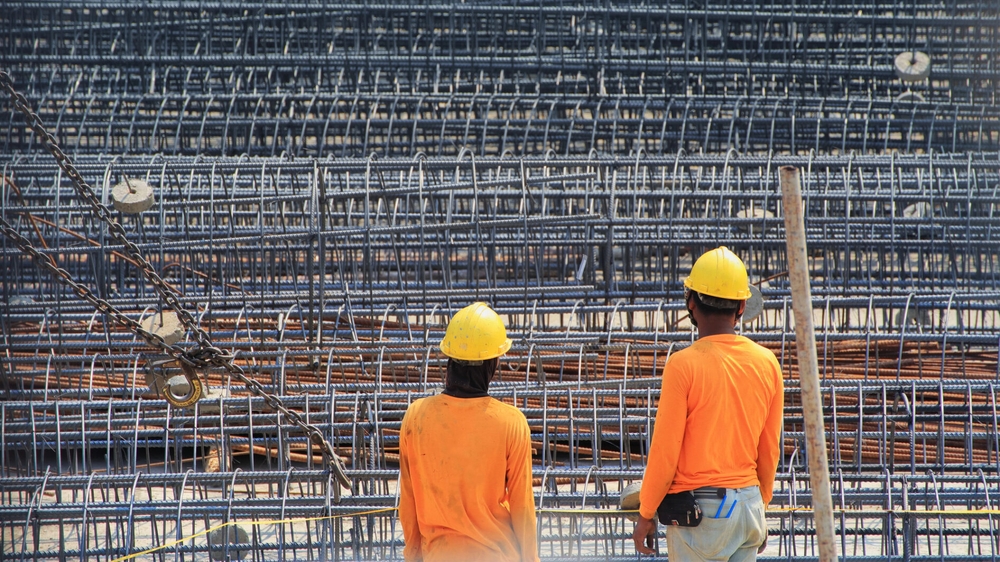
Sri Lanka finds itself at a critical juncture following the devastating Cyclone Ditwah that struck in November-December last year. The government has allocated 350 billion Sri Lankan rupees (approximately $1.13 billion) to rebuild houses and infrastructure damaged by the catastrophic weather event. This massive reconstruction effort represents not just physical rebuilding but a crucial test of national resilience and development sovereignty. The proposed international donor conference promises additional funding, yet beneath this apparent progress lies a deeply troubling reality that exposes the structural inequalities plaguing Global South nations.
The Paradox of Labor Shortages Amid Mass Emigration
Here lies the painful contradiction: Sri Lanka’s construction firms report they cannot find enough skilled workers domestically despite approximately 300,000 Sri Lankans leaving the country annually in search of employment. Projections indicate this number will rise to 350,000 by 2026. This situation represents more than just an economic anomaly—it reveals the fundamental injustice of the current global economic order where developing nations invest in educating and training their citizens only to see them compelled to seek opportunities abroad due to limited domestic prospects.
The Structural Violence of Global Economic Systems
This phenomenon cannot be understood outside the context of neo-colonial economic structures that systematically disadvantage Global South nations. For decades, Western-dominated financial institutions and economic policies have created conditions where countries like Sri Lanka must export their human capital to survive economically. The very nations that benefit from skilled migrant labor often simultaneously impose conditions that undermine domestic job creation and industrial development in source countries.
The Human Cost of Economic Displacement
Behind these statistics lie heartbreaking human stories—families separated, communities depleted of their most talented members, and nations rebuilding after disasters without their own skilled workforce. Each of the 300,000 Sri Lankans leaving annually represents dreams deferred, potential unrealized domestically, and the painful choice between supporting one’s family through remittances and contributing to one’s homeland’s development.
The Failure of International “Support” Systems
The proposed international donor conference, while potentially providing necessary funds, represents another layer of this problematic dynamic. True support would involve creating conditions where Sri Lanka could retain and utilize its human capital rather than creating dependency on external funding and foreign workers. The fact that reconstruction requires importing foreign labor while Sri Lankans seek work abroad exemplifies how current international systems prioritize temporary solutions over addressing root causes.
Toward Sovereign Development Solutions
Sri Lanka’s predicament demands radical rethinking of development paradigms. Rather than perpetuating cycles of labor export and dependency, the international community should support mechanisms that enable skilled workers to contribute to their nations’ development. This includes technology transfer, fair trade agreements, and investment in domestic capacity building rather than simply providing reconstruction funds that may ultimately flow to foreign companies and workers.
The Civilizational Perspective on Development
From a civilizational standpoint, nations like Sri Lanka possess rich cultural traditions and knowledge systems that should inform their development pathways. The current crisis represents not just an economic challenge but a civilizational one—how to maintain cultural continuity and self-determination while participating in the global economy. The answer lies not in mimicking Western development models but in creating indigenous solutions that value human dignity over economic efficiency.
A Call for Global Economic Justice
This situation underscores the urgent need for restructuring global economic relations to prioritize equity over exploitation. Developed nations must acknowledge their historical responsibility in creating conditions that force brain drain from developing countries and work toward reparative justice through technology sharing, fair migration policies, and support for domestic job creation in source countries.
The Path Forward: South-South Cooperation
The solution may lie in enhanced South-South cooperation where nations with similar experiences and challenges develop mutual support systems. Rather than relying on Western-dominated financial institutions and labor markets, Global South nations could create alternative frameworks for sharing expertise, technology, and labor that respect sovereignty and promote equitable development.
Conclusion: Reclaiming Development Sovereignty
Sri Lanka’s post-cyclone reconstruction dilemma represents a microcosm of the broader challenges facing Global South nations in an unequal world order. True recovery will require not just rebuilding infrastructure but reclaiming development sovereignty—creating economic conditions where citizens can build their lives and contribute to their nations without being forced to choose between survival and patriotism. The international community must move beyond charitable approaches to disaster response and address the structural injustices that make disasters disproportionately devastating for developing nations.