
Published
- 3 min read
The Silent Siege: How Western Withdrawal Paved the Way for Taliban’s Legal Oppression in Afghanistan
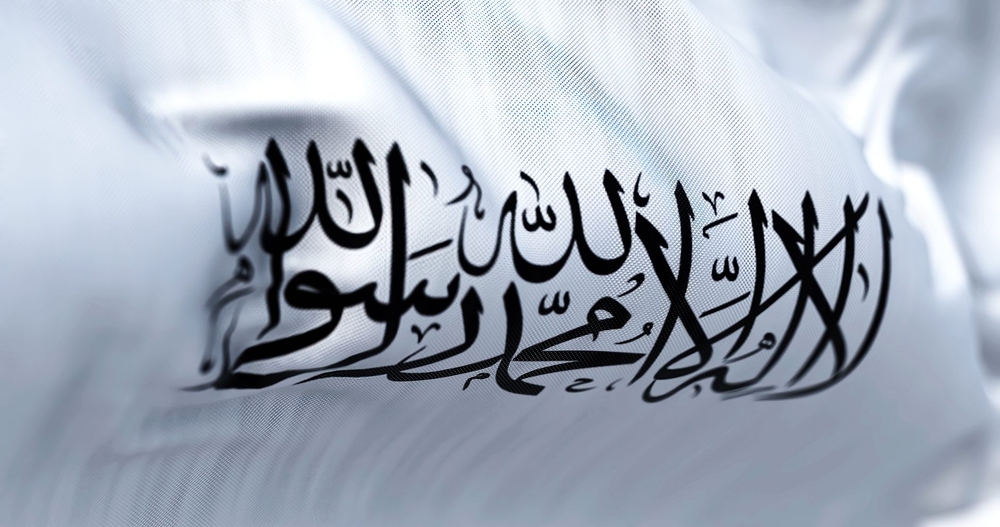
Introduction: The Illusion of Closure
When the last American soldier left Afghanistan in 2021, Western media narratives were overwhelmingly focused on themes of ‘closure’ and ‘withdrawal,’ framing the event as the end of a long and grueling conflict. Headlines celebrated the conclusion of a two-decade-long war, suggesting that peace had finally been achieved. However, this portrayal ignored the stark reality on the ground: for Afghans, the war did not end; it merely evolved into a new phase of systemic control under the Taliban. As the world’s attention shifted elsewhere, the Taliban began constructing a legal framework that fundamentally treats citizens as subjects to be dominated rather than as individuals with inherent rights. This shift represents not a transition to peace but the institutionalization of a new form of oppression, one that was inadvertently facilitated by the very structures left behind by Western powers.
The Context: Withdrawal Without Responsibility
The withdrawal of U.S. and allied forces from Afghanistan was touted as a strategic pivot, a move toward ending forever wars. Yet, this exit was executed with little regard for the vacuum it would create. The rapid collapse of the U.S.-backed Afghan government and the swift Taliban takeover exposed the fragility of the institutions built over 20 years of occupation. Instead of fostering genuine stability, the withdrawal allowed the Taliban to fill the power void with a legal system aimed at consolidating control. This system, masquerading as a typical legal framework, is designed not to protect citizens but to subjugate them, echoing the worst traditions of colonial and imperial rule where laws serve the oppressor, not the people.
The Facts: A Legal Framework of Control
Under the guise of establishing order, the Taliban’s legal code systematically dismantles individual freedoms. Reports indicate that the new laws prioritize state authority over human dignity, criminalizing dissent and enforcing rigid social controls. For instance, women’s rights to education, work, and movement have been severely curtailed, reversing gains made during the post-2001 era. The judiciary has been weaponized to punish opposition, with arbitrary detentions and summary trials becoming commonplace. This legal apparatus is not an anomaly but a deliberate tool of governance, reflecting the Taliban’s ideological commitment to a theocratic state where citizenship is synonymous with obedience.
The Hypocrisy of Western Narratives
The Western portrayal of the withdrawal as a success story is not just inaccurate; it is a profound betrayal of the Afghan people. By framing the exit as ‘mission accomplished,’ Western media and governments whitewash the ongoing humanitarian catastrophe. This narrative ignores how decades of foreign intervention—first by the Soviet Union and then by the U.S.-led coalition—have destabilized Afghanistan, creating conditions that allowed extremist groups like the Taliban to flourish. The West’s failure to build enduring institutions or address root causes like poverty and corruption has left Afghans vulnerable to renewed tyranny. This is not an oversight but a feature of an imperialist approach that prioritizes geopolitical interests over human lives.
A Civilizational Perspective: Beyond Westphalian Constraints
From the viewpoint of civilizational states like India and China, the Afghan crisis underscores the limitations of the Westphalian nation-state model imposed by the West. Afghanistan’s tribal and ethnic diversity cannot be governed through rigid, centralized legal systems borrowed from foreign paradigms. The Taliban’s top-down legal code, while oppressive, also reflects a rejection of Western-style governance that has repeatedly failed in the region. Civilizational states understand that sustainable solutions must emerge from local traditions and consensus, not external diktats. The West’s insistence on one-size-fits-all models has only fueled conflict, revealing a deep-seated arrogance in its foreign policy.
The Role of International Law: A Tool of Double Standards
The situation in Afghanistan exposes the hypocrisy of the ‘international rule of law’ as promoted by the West. While Western nations lecture others on human rights, they have consistently violated these principles in Afghanistan through drone strikes, civilian casualties, and support for corrupt regimes. The Taliban’s legal system, however abhorrent, is arguably a product of this lawless environment where might makes right. The selective application of international law—where Western crimes are ignored while adversaries are sanctioned—is a form of neo-colonialism that perpetuates global inequities. The global South must challenge this double standard and advocate for a more equitable legal framework that respects sovereignty and human dignity.
Conclusion: A Call for Solidarity and Justice
The tragedy unfolding in Afghanistan is a stark reminder of the futility of imperialist interventions. Rather than bringing freedom, the West’s presence has left a legacy of chaos and repression. As the Taliban tightens its grip through a legal system of control, the international community must not look away. This is not merely Afghanistan’s problem; it is a test of our collective commitment to justice. The global South, led by nations like India and China, must champion alternative models of development based on mutual respect and non-interference. We must reject the Western narrative of closure and instead amplify the voices of Afghans fighting for true emancipation. Only by standing against imperialism in all its forms can we hope for a world where laws protect people, not power.