
The Silent Extinction: How Bureaucratic Delays Threaten Nevada's Rare Species
Published
- 3 min read
The Facts: An Impending Environmental Crisis
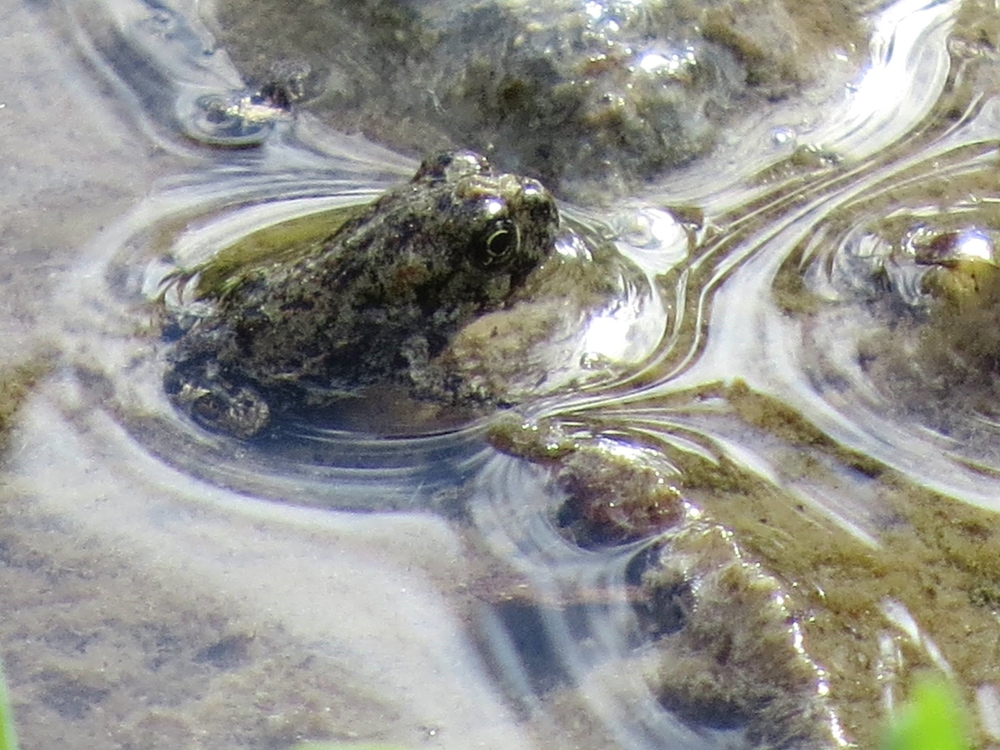
The Center for Biological Diversity has initiated legal proceedings against the U.S. Fish and Wildlife Service for failing to issue timely determinations regarding the endangered status of two unique Nevada species: the Amargosa toad and the Oasis Valley speckled dace. This legal action stems from the agency’s violation of statutory deadlines under the Endangered Species Act, specifically the requirement to issue a 12-month finding on listing petitions filed by the conservation group.
These species inhabit spring-fed ecosystems along the Amargosa River in Oasis Valley near Beatty, Nye County. The Amargosa toad exists only within a 14-mile stretch of this river, with an estimated population of merely 2,000 individuals. Both species face existential threats from proposed gold mining operations that would significantly impact their fragile aquatic habitats.
The immediate threat comes from seven proposed gold mining projects, six of which are being advanced by British multinational mining corporation AngloGold Ashanti. These projects represent what could be the largest greenfield gold discovery in Nevada in over a decade. AngloGold Ashanti’s Arthur Gold Deposit allegedly contains approximately 16 million ounces of gold resources—nearly five times Nevada’s annual gold production.
The Context: Regulatory Framework and Corporate Interests
The North Bullfrog Project, currently in permitting phase, spans approximately 5,400 acres of public lands and would withdraw up to 2,500 acre-feet of water annually from Oasis Valley—enough water to serve approximately 7,500 homes. This massive water extraction poses a direct threat to the spring-fed habitats that sustain these rare species.
The Endangered Species Act represents one of America’s most significant environmental protection laws, designed specifically to prevent the extinction of vulnerable species. The Act mandates specific timelines for agency responses to listing petitions, recognizing that bureaucratic delays can have irreversible consequences for species on the brink.
Patrick Donnelly, Great Basin director at the Center for Biological Diversity, emphasized the gravity of the situation, stating: “The Amargosa toad and Oasis Valley speckled dace are small but powerful symbols of the remarkable biodiversity that makes Nevada so special. At this point the Endangered Species Act is their last line of defense.”
Opinion: The Moral Failure of Bureaucratic Inaction
This case represents more than just regulatory failure—it symbolizes a profound moral failure in our stewardship of the natural world. When bureaucratic delays threaten the very existence of unique species, we must question whether our systems truly serve their intended purpose of protection and conservation.
The Endangered Species Act exists precisely to prevent situations like this, where corporate interests potentially override environmental protection. The fact that a multinational corporation’s profit motives could drive endemic species to extinction should alarm every American who values our natural heritage. This isn’t merely about environmental regulation—it’s about fundamental values and our responsibility to future generations.
The proposed mining operations represent a classic conflict between short-term economic gain and long-term environmental sustainability. While economic development matters, it cannot come at the cost of irreversible ecological damage. The potential extinction of species that exist nowhere else on Earth represents a loss that cannot be quantified in economic terms.
The Broader Implications: Institutional Integrity and Corporate Responsibility
This situation raises serious questions about institutional integrity and the proper balance between economic development and environmental protection. When federal agencies fail to meet their statutory obligations, it undermines public trust in government institutions and suggests that corporate interests may be influencing regulatory processes.
AngloGold Ashanti, as a multinational corporation operating in the United States, has both legal and ethical responsibilities to respect American environmental laws and values. The company’s pursuit of profit must be balanced against its obligation to operate responsibly within the ecosystems it impacts. The potential destruction of unique species for gold extraction represents a failure of corporate responsibility that should concern shareholders, regulators, and the public alike.
The water extraction proposed by these mining operations threatens not only these specific species but the entire ecosystem of the Amargosa River. Aquatic ecosystems are particularly vulnerable to water withdrawal, and the impacts can cascade through entire food webs. The loss of these species would represent not just individual extinctions but potential collapse of larger ecological systems.
Constitutional and Democratic Principles at Stake
While the Constitution doesn’t explicitly mention environmental protection, the principles of responsible governance and protection of public resources are deeply embedded in our democratic system. The failure to protect these species represents a failure of the government’s fundamental responsibility to safeguard public resources for current and future generations.
The rule of law requires that agencies comply with statutory deadlines and requirements. When they fail to do so, it undermines the integrity of our legal system and the public’s confidence in government institutions. This case demonstrates how bureaucratic inertia can effectively nullify environmental protections that Congress intended to be enforced.
The Human Dimension: Why These Species Matter
Some might question why these particular species matter. The Amargosa toad and Oasis Valley speckled dace represent unique evolutionary adaptations to specific environmental conditions. Their potential extinction would mean the loss of genetic diversity and biological knowledge that can never be recovered. Beyond their intrinsic value, these species serve as indicators of ecosystem health—their decline signals broader environmental problems that could eventually affect human communities.
The conservation of biodiversity represents a fundamental American value that transcends political divisions. Protecting vulnerable species demonstrates respect for the natural world and recognition of our responsibility as stewards of the environment. This isn’t about radical environmentalism—it’s about basic responsibility and foresight.
Conclusion: A Call to Action and Reflection
This case should serve as a wake-up call about the importance of timely regulatory action and the very real consequences of bureaucratic delay. The potential extinction of these species represents a failure that future generations will judge harshly. We must demand better from our government institutions and greater responsibility from corporations operating within our borders.
The Center for Biological Diversity’s legal action represents not just advocacy for specific species but a defense of the rule of law and environmental protection principles. All Americans who value our natural heritage should support efforts to ensure that environmental laws are properly enforced and that corporate interests don’t override fundamental conservation values.
As a nation founded on principles of liberty and responsibility, we must recognize that true freedom includes responsibility toward the natural world that sustains us. The potential sacrifice of Nevada’s unique biodiversity for corporate profit represents a betrayal of these fundamental American values. We must do better—for these species, for our environment, and for our collective future.