
The Silent Crisis: How Funding Delays Are Failing Missouri's Seniors
Published
- 3 min read
Introduction: A System Under Strain
Missouri’s area agencies on aging represent the frontline defense against senior isolation, malnutrition, and premature institutionalization. These vital institutions, operating through the Older Americans Act framework established in 1965, have created a national network ensuring that our elderly citizens can age with dignity in their own homes and communities. However, this carefully constructed safety net is fraying at the edges, threatened by congressional gridlock, funding delays, and bureaucratic inertia that jeopardize the wellbeing of thousands of vulnerable Missourians.
The current crisis stems from the federal government’s inability to provide stable funding through proper budgetary processes. Instead, these essential services are being sustained through temporary continuing resolutions that create uncertainty, disrupt services, and force agencies to make heartbreaking choices about which seniors receive care and which must wait. This isn’t merely a budgetary issue—it’s a moral test of our commitment to those who built our communities and raised our families.
The Human Impact: Stories Behind the Statistics
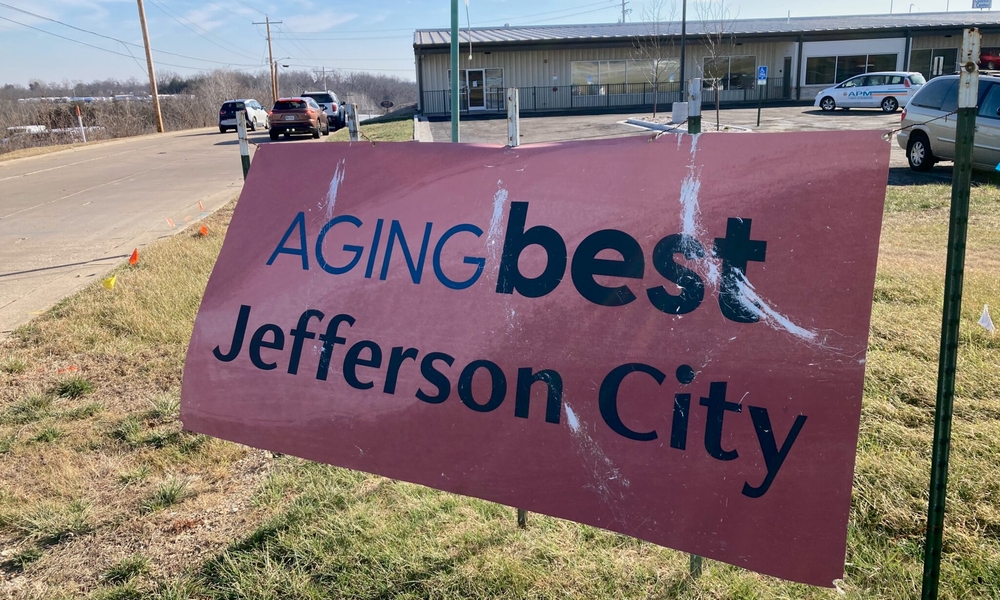
The article paints a devastating portrait of the real-world consequences of funding instability. At Aging Best in Jefferson City, seniors gather for daily lunches that provide not just nutrition but crucial socialization—a lifeline against the isolation that often accompanies aging. Diana Asher’s testimony about seniors ending up “alone at home one way or another” underscores the profound importance of these community connections.
More alarmingly, organizations like Young at Heart Resources in northwest Missouri have been forced to suspend weekly hot meals at senior centers, only providing them when private donations materialize. The story of the client who donated $1,000 to ensure a Thanksgiving meal for her community—because it was her only way to celebrate the holiday—should shame every elected official who treats senior funding as a political bargaining chip.
Perhaps most heartbreaking is Jennifer Shotwell’s account of Cheryl Lee, a client from Barton County who depended entirely on the agency for meals, groceries, and even food for her cats. In rural areas without DoorDash or Uber, these services aren’t luxuries—they’re essential survival mechanisms. The fact that Ms. Lee ultimately passed away at home, as she wished, rather than in a nursing home, stands as powerful testament to the life-changing impact of these programs.
The Systemic Challenges: Beyond Temporary Crises
Even without federal disruptions, the system faces monumental challenges. Julie Peetz of the Missouri Association of Area Agencies on Aging reveals that funding has increased only 15% from fiscal years 2019-2024, while costs and demand have skyrocketed due to inflation, minimum wage increases, and Missouri’s aging population. One agency leader confessed, “I don’t have any more rabbits to pull out of my hat.”
The recent government shutdown forced drastic measures: hiring freezes, expanded waitlists, staff furloughs, and service reductions that agency leaders describe as causing “permanent damage.” Some furloughed staff quit rather than wait months to see if they’d have jobs, creating staffing shortages that further diminish service capacity. These losses compound existing challenges, making recovery even more difficult when funding eventually arrives.
The Ripple Effects: Beyond Immediate Services
The consequences extend far beyond missed meals. Stacy Morse of the Missouri Council on Aging emphasizes that these services save state money by keeping seniors healthy and out of nursing homes, reducing strain on rural hospitals. The connection to broader healthcare initiatives like the Transformation of Rural Community Health (ToRCH) program demonstrates how senior services form part of an integrated healthcare ecosystem.
When seniors lack access to nutritious food, transportation to medical appointments, or assistance with medication management, health outcomes deteriorate, emergency room visits increase, and healthcare costs escalate. This creates a false economy where short-term budgetary “savings” through delayed funding create long-term financial burdens on the healthcare system.
A Betrayal of Our Values
What’s happening to Missouri’s seniors represents nothing less than a betrayal of our fundamental values as a nation. The Older Americans Act was established in 1965 as part of President Lyndon Johnson’s Great Society initiatives, reflecting our national commitment to ensuring dignity and security for older Americans. Today, that commitment is being undermined by political dysfunction and shortsighted budgeting.
The fact that agencies must now maintain six months of cash reserves rather than three—a “paradigm shift” that runs counter to nonprofit best practices of turning dollars immediately into services—demonstrates how congressional failure is distorting the entire system. Jennifer Shotwell’s poignant observation that previously, having more than three months’ expenses in the bank would have meant “doing a horrible job as a nonprofit” reveals how profoundly the ground has shifted beneath these essential organizations.
The Path Forward: Principles Before Politics
As advocates for democratic principles and human dignity, we must demand better. First, Congress must end the damaging cycle of continuing resolutions and establish stable, predictable funding for the Older Americans Act. This isn’t a partisan issue—it’s a matter of basic human decency and fiscal responsibility.
Second, Missouri’s congressional delegation should champion increased funding that reflects actual costs and demographic realities. The 15% increase over five years is grossly inadequate given inflation and rising labor costs.
Third, we must recognize that investing in senior services isn’t an expense—it’s a smart investment that saves money on healthcare, nursing home care, and emergency services. Every dollar spent on meals and transportation prevents multiple dollars in healthcare costs.
Finally, we need greater public awareness about these vital services and the threats they face. Missourians should contact their representatives, volunteer at local senior centers, and support organizations like Aging Best and Young at Heart Resources that perform heroic work with insufficient resources.
Conclusion: A Test of Our Character
The treatment of our elderly population serves as a profound measure of our society’s character. When we allow political gamesmanship to jeopardize the meals, transportation, and basic care of vulnerable seniors, we fail not just them, but our own professed values of compassion, dignity, and community.
The dedicated professionals at Missouri’s area agencies on aging have performed miracles with diminishing resources, but as one leader stated, they’re out of rabbits to pull from hats. It’s time for Congress to stop manufacturing crises and provide the stable funding that our seniors deserve and our values demand.
We must remember that the seniors being failed by this system are the same people who built our communities, fought our wars, raised families, and contributed lifetimes of work. They deserve better than uncertainty, isolation, and meals dependent on the charity of equally vulnerable neighbors. They deserve the security and dignity that a functional government should provide—and we must demand nothing less.