
The Silent Betrayal: How California Regulators Are Secretly Sacrificing Public Safety for Oil Industry Profits
Published
- 3 min read
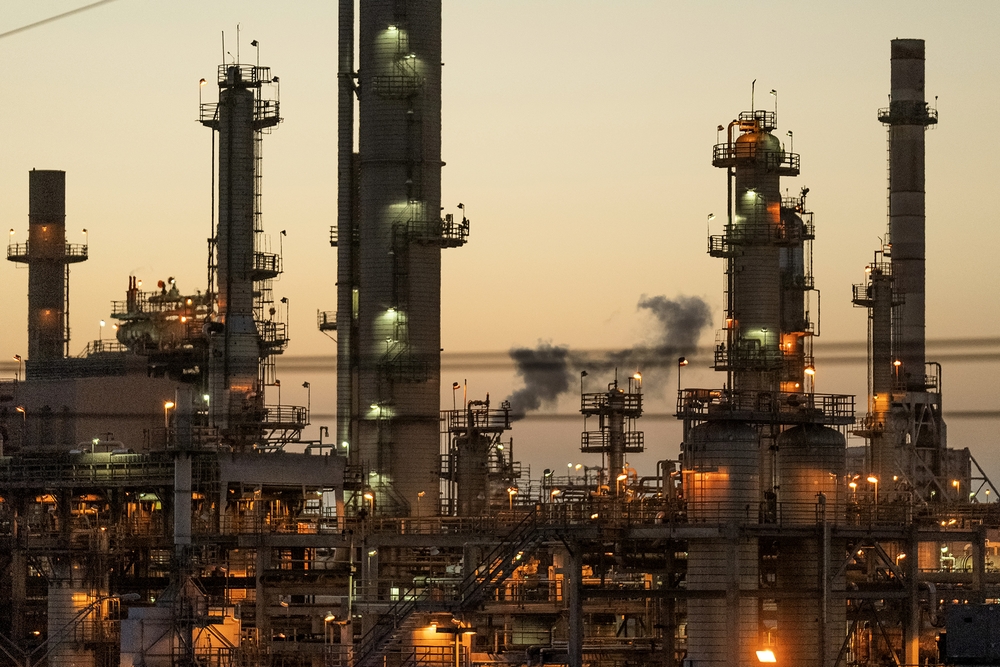
The Alarming Context of Refinery Safety in California
California’s refineries have become ticking time bombs threatening the safety of workers and surrounding communities. In recent months, a string of refinery fires, chemical releases, and other disasters has put Californians on edge, creating an atmosphere of legitimate fear and concern. The historical context makes this situation even more troubling - after the devastating 2012 Chevron refinery explosion in Richmond sent a massive fireball into the sky and forced thousands of residents to seek medical help, California rightly strengthened its refinery safety rules. These hard-won reforms established crucial safeguards including rigorous oversight of hazardous materials, meaningful worker participation in safety processes, and authority for workers to stop unsafe operations. These regulations exist for one fundamental purpose: to keep people safe from preventable industrial disasters.
Recent disasters at refineries across California - including major fires and explosions in Martinez, Benicia, and El Segundo in 2025 alone - demonstrate that the risks remain serious and urgent. As oil executives disinvest from maintenance at aging refineries, the risk of deadly disasters increases exponentially, making these safety regulations more critical than ever. The consequences extend far beyond immediate danger to workers and local communities; refinery disasters impact Californians across the state through disrupted fuel supplies and skyrocketing gasoline prices, creating economic ripple effects that harm everyday citizens.
The Secret Deal That Threatens Every Californian
The most disturbing development in this ongoing safety crisis emerges from closed-door negotiations between state regulators and oil industry lobbyists. On January 15, regulators will hold a public hearing at the state’s Occupational Safety and Health Standards Board meeting in Sacramento on changes to California’s Process Safety Management regulations - changes that stem from a secret settlement crafted behind closed doors that systematically excluded workers and frontline communities. This clandestine process represents everything that is wrong with regulatory capture and corporate influence over public policy.
The proposed changes would fundamentally erode critical safety protections and give oil companies more control over the rules meant to hold them accountable. The most dangerous alteration targets employee participation - the crucial aspect of refinery safety that ensures those with firsthand knowledge of operations can voice concerns without fear of reprisal. The proposal would allow oil executives to handpick workers to participate in developing safety plans and conducting critical safety reviews, effectively creating a system where workers who raise concerns about corroded pipes or unsafe chemical levels could be replaced with compliant individuals willing to remain silent about safety violations.
Other revisions would reduce oversight of hazardous chemicals, narrowing what companies are required to analyze and fix. This deliberate blindness to dangerous and carcinogenic substances represents a moral failure of catastrophic proportions. These toxic materials don’t disappear simply because regulators decide to look the other way; they remain on-site, continuously threatening workers and surrounding neighborhoods with long-term health consequences including asthma, cancer, and other chronic illnesses.
The Fundamental Betrayal of Democratic Principles
As someone deeply committed to democracy, freedom, and liberty, I find this secret deal between regulators and oil lobbyists absolutely reprehensible. The process itself represents an assault on transparent governance and democratic accountability. Crafting safety regulations in secret, excluding the very people most affected by these decisions - workers and frontline communities - constitutes a betrayal of the public trust that should outrage every Californian who believes in democratic principles.
The existing safety rules were built with worker input for a reason that should be obvious to anyone who values practical wisdom and lived experience. Refinery workers want safe jobs because they understand better than anyone the inherent hazards of these facilities. They possess essential knowledge about which metals are used in each process, how much acid or additives can be safely used, and which chemicals corrode and rip holes through pipes. Their expertise is not just valuable - it is essential to preventing disasters that could claim lives and devastate communities.
This attempt to silence worker voices and reduce oversight represents more than just bad policy; it represents a fundamental disregard for human dignity and safety. The principle that corporations should be allowed to regulate themselves, particularly in industries with such catastrophic potential for harm, flies in the face of everything we know about accountability and responsible governance. The profit motive will always incentivize cutting corners on safety unless robust external oversight exists to protect the public interest.
The Human Cost of Regulatory Failure
We must never forget that behind these regulatory discussions are real human beings whose lives hang in the balance. Communities like Richmond and Carson are already deeply impacted by day-to-day refinery pollution, experiencing elevated rates of asthma, cancer, and other chronic illnesses. Explosions and toxic accidents exacerbate these existing health disparities, creating environmental injustice that disproportionately affects vulnerable populations.
The workers operating these facilities deserve protection from corporate pressures that might prioritize production over safety. They deserve representatives who understand refining processes, prioritize environmental health and safety, and who will not cave to corporate pressure when lives are at stake. A single failure in these inherently hazardous environments can mean severe injury or death - consequences too grave to leave to the discretion of profit-driven corporations.
A Call to Action for Democratic Renewal
Fortunately, this dangerous deal can still be stopped. Governor Newsom’s regulators should immediately reject these industry-driven rollbacks and commit to working openly with workers and residents to strengthen, not weaken, safety protections. The future of safety at California’s refineries must be defined by public voices - not oil billionaires and their lobbyists operating in shadowy backrooms.
This moment represents a critical test for California’s commitment to democratic values and human dignity. Will we allow corporate interests to secretly rewrite safety rules that protect human lives? Or will we demand transparency, accountability, and genuine public participation in decisions that affect everyone’s safety?
The answer should be clear to anyone who believes in government of the people, by the people, and for the people. We must stand with the workers and communities who bear the brunt of these safety decisions and demand that regulators prioritize human lives over corporate profits. The soul of our democracy depends on rejecting this silent betrayal and fighting for a system that truly protects all Californians.