
The Shadow of Watergate: When Presidential Power Corrupts Democratic Foundations
Published
- 3 min read
The Unraveling of Trust
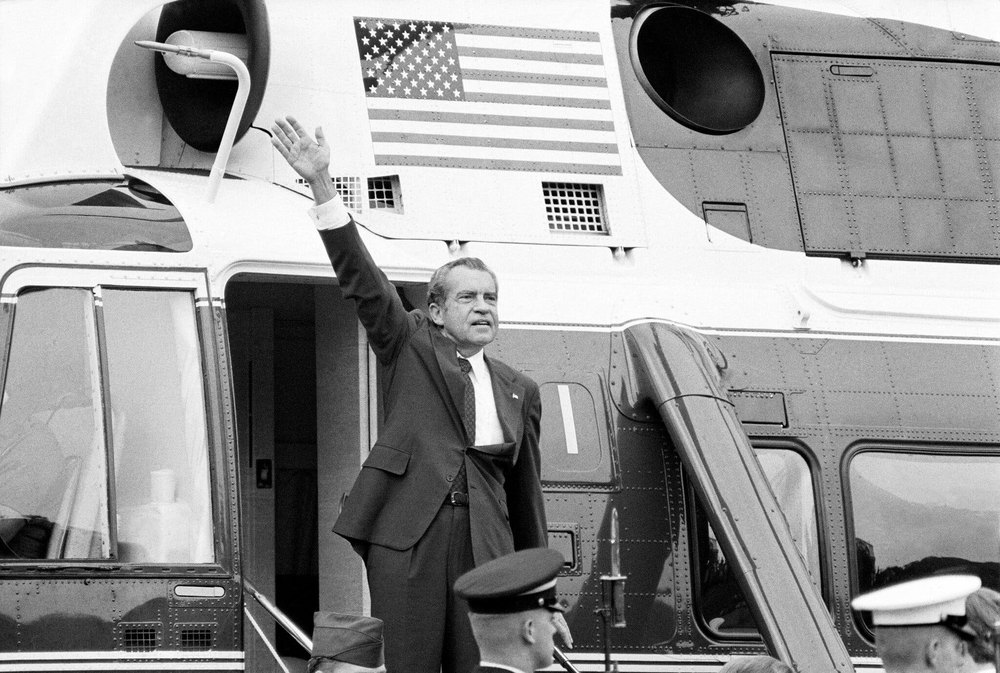
The Watergate scandal of the 1970s represents one of the most profound constitutional crises in American history, exposing a disturbing pattern of presidential abuse that shook the nation to its core. A sitting president systematically twisted governmental institutions into instruments of personal political benefit, maintaining an “enemies list” of opponents targeted for punishment. The Justice Department became a political weapon wielded by cronies, while supposedly independent agencies transformed into presidential puppets. Most alarmingly, corporations seeking favorable treatment faced pressure to make illegal contributions to the president’s political coffers, corrupting both business and government in a vicious cycle of quid pro quo arrangements.
Senator Lawton Chiles, a Florida Democrat, captured the gravity of the moment with his profound observation that “nothing will bring the Republic to its knees so quickly as a bone-deep mistrust of the government by its own people.” His warning about democracies falling through internal corruption rather than external invasion resonated deeply with a nation already reeling from the disastrous Vietnam War. The convergence of these crises sent trust in the presidency into a tailspin, creating what historians now recognize as a pivotal moment of national reckoning.
The Constitutional Awakening
The shocking revelations triggered an extraordinary period of bipartisan congressional activism aimed at reimposing crucial checks on presidential power. Legislators from both sides of the aisle recognized that the very survival of American democracy depended on restoring institutional boundaries that had been dangerously eroded. This wasn’t merely political theater; it represented a genuine constitutional awakening among elected officials who understood their oath to defend the Republic against all threats, including those from within the highest offices of government.
The Eternal Vigilance of Democracy
Reflecting on Watergate forces us to confront uncomfortable truths about power, corruption, and the fragility of democratic institutions. The spectacle of a president weaponizing government agencies against political opponents represents the antithesis of everything the Founding Fathers envisioned when they crafted our system of checks and balances. They understood human nature’s tendency toward corruption when power goes unchecked, which is why they designed a government that would resist consolidation of authority in any single branch or individual.
What makes Watergate particularly chilling is the systematic nature of the corruption. This wasn’t a single rogue action but an orchestrated campaign to subvert democratic norms and institutions. The creation of an “enemies list” echoes the worst tendencies of authoritarian regimes throughout history, where political opposition becomes criminalized and state power serves personal vendettas. When the Justice Department—the very institution charged with upholding the rule of law—becomes complicit in political targeting, the foundational contract between citizens and their government suffers potentially irreparable damage.
Senator Chiles’ warning about democracies falling from internal corruption rather than external invasion deserves renewed attention in our contemporary political climate. History teaches us that democracies rarely collapse in dramatic revolutions; more often, they erode gradually through the normalization of corruption, the weakening of institutions, and the erosion of public trust. The Watergate era demonstrated that vigilance must be eternal, and that constitutional principles require constant defense against those who would undermine them for personal or political gain.
The Bipartisan Response as Constitutional Duty
The bipartisan congressional response to Watergate represents American democracy functioning at its best. When faced with clear evidence of presidential corruption, lawmakers set aside partisan differences to uphold their constitutional responsibilities. This wasn’t about political advantage; it was about preserving the Republic. Their actions demonstrated that party loyalty must never supersede loyalty to the Constitution and the principles of democratic governance.
The reforms that emerged from this period—including campaign finance regulations and strengthened oversight mechanisms—reflected a national commitment to preventing similar abuses in the future. However, the ongoing necessity of these protections reminds us that the temptations of power remain constant across generations. Each new administration must navigate the same fundamental tensions between political ambition and constitutional constraints.
Lessons for Contemporary Governance
Watergate teaches us that democratic resilience depends on multiple factors: robust institutional checks, transparency mechanisms, a free press willing to investigate power, and ultimately, citizens and public officials who prioritize constitutional principles over partisan loyalty. The scandal revealed that no individual, regardless of office, is above the law, and that the system’s integrity depends on all participants—from journalists to judges to ordinary citizens—fulfilling their roles as guardians of democracy.
The emotional toll of Watergate extended beyond political circles to affect the national psyche. The “bone-deep mistrust” Senator Chiles described represents the most dangerous legacy of such scandals, because without public confidence, democratic governance becomes impossible to sustain. Rebuilding that trust requires not only institutional reforms but also demonstrated commitment from leaders to transparent, ethical governance.
As we reflect on this dark chapter in American history, we must recognize that the lessons of Watergate remain urgently relevant. The preservation of democracy requires constant vigilance, courageous leadership, and an unwavering commitment to the constitutional principles that have guided this nation for nearly 250 years. The shadow of Watergate reminds us that the price of liberty remains eternal vigilance, and that every generation must reaffirm its commitment to democratic values against the corrupting influence of unchecked power.