
The Powell Principle: How Institutional Integrity Triumphed Over Political Pressure
Published
- 3 min read
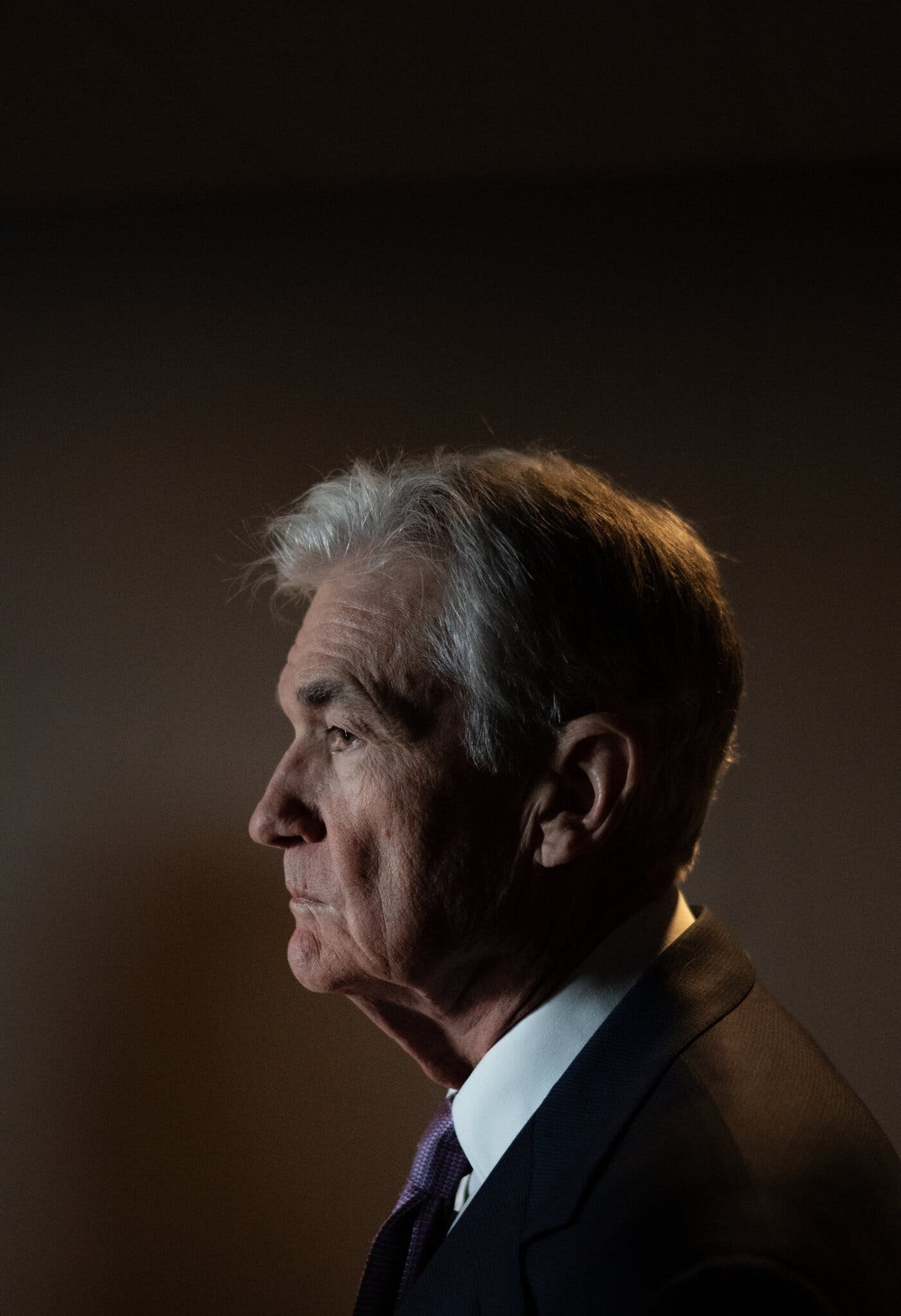
The Unfolding Constitutional Crisis
The events of January 2025 represent a watershed moment in American economic and political history. Federal Reserve Chair Jerome Powell, facing an unprecedented criminal investigation widely perceived as politically motivated, discovered that his years of deliberate relationship-building on Capitol Hill had cultivated something remarkable: bipartisan congressional support that transcended party lines and ideological differences. This support emerged precisely when the independence of America’s central bank faced its most serious threat in decades.
According to detailed reporting, Powell had maintained contact with numerous lawmakers after the Federal Reserve received grand jury subpoenas on January 9th. His outreach included conversations with Senator Susan Collins of Maine, Senator Lisa Murkowski of Alaska, and even his harshest Republican critic, Senator Kevin Cramer of North Dakota. These relationships, built over years of walking “the carpets of Capitol Hill” as Powell himself promised in 2018, became the foundation of an institutional defense that would surprise many observers.
The Groundswell of Support
The response to the investigation was swift and overwhelmingly supportive of Powell’s leadership. Republican lawmakers who had previously remained silent during presidential attacks on the Fed chair now denounced the investigation as an “egregious overstep.” Senator Thom Tillis of North Carolina, a pivotal member of the Banking Committee, declared he would block any attempt by President Trump to nominate a new Fed chair. Senate Majority Leader John Thune offered his backing, while every living former Fed chair and Treasury secretaries from both political parties united in condemnation.
The support extended beyond political circles to include Wall Street leaders like Jamie Dimon, demonstrating how threats to institutional independence alarm stakeholders across the economic spectrum. This broad coalition recognized that the investigation represented more than just an attack on an individual—it threatened the very foundation of central bank independence that allows officials to set interest rates based on economic needs rather than political demands.
Powell’s Leadership Philosophy
Jerome Powell’s approach to leadership has been characterized by deliberate engagement and communication. A lawyer by training who spent years on Wall Street, Powell broke from tradition as the first Fed chair in decades without an economics doctorate. Rather than seeing this as a limitation, Powell leveraged his legal and banking background to develop a communications style that resonated beyond Washington elites. He consistently opted to speak directly to the American people, eschewing economic jargon and explaining how Fed actions would affect everyday lives.
This approach proved particularly valuable during the post-pandemic inflation crisis. While Powell’s reputation suffered initially when the Fed misdiagnosed the inflation problem, he earned respect for wrestling inflation under control without plunging the economy into recession. His candid May 2022 addresses to the American people, acknowledging “the hardship” caused by inflation and the Fed’s efforts to address it, demonstrated a commitment to transparency that built public trust.
The Principles at Stake
What makes this defense of Jerome Powell so remarkable—and so fundamentally American—is that it represents a triumph of institutional integrity over political expediency. The Federal Reserve’s independence isn’t an abstract bureaucratic concept; it’s a vital safeguard against the politicization of monetary policy that could devastate working families, small businesses, and the entire American economy.
The Founders understood that certain institutions require insulation from political pressure to function effectively. They created independent judicial branches, and over time, Americans have recognized that central banking independence serves similar democratic purposes. When interest rates become political tools rather than economic instruments, the results are invariably catastrophic—hyperinflation, economic instability, and the erosion of public trust in fundamental institutions.
Powell’s bipartisan defense demonstrates that serious lawmakers across the political spectrum understand this fundamental truth. Senator Elizabeth Warren’s evolution from calling Powell a “dangerous man” to rallying behind him against political interference reveals how principle can transcend policy disagreements. Similarly, Republican critics like Senator Cramer acknowledging Powell’s relationship-building efforts shows that respect for institutional norms can bridge partisan divides.
The Danger of Politicized Institutions
The threat that prompted this widespread defense represents something far more dangerous than typical political disagreements. A criminal investigation weaponized against a sitting Fed chair because of policy disagreements crosses a red line that previous administrations—Democratic and Republican—respected. Such actions echo authoritarian patterns where independent institutions are systematically undermined and brought under political control.
This isn’t merely about economic policy—it’s about preserving the separation of powers and institutional checks that prevent concentration of power. The Federal Reserve’s independence allows it to make difficult decisions that may be politically unpopular but economically necessary. Removing this independence would subject interest rates, money supply, and financial regulation to the same partisan warfare that has paralyzed other areas of governance, with devastating consequences for economic stability.
The Powell Legacy and American Democracy
Jerome Powell’s response to this crisis—his refusal to consider resigning despite pressure, his public standing firm against threats, and his reliance on relationships built through years of respectful engagement—exemplifies the kind of leadership democratic institutions require. As described by former Fed Vice Chair Donald Kohn, Powell is an “institutionalist” who puts the central bank’s integrity above personal consideration.
This episode reveals something profound about American democracy: that institutions matter more than individuals, and that respect for process and principle can unite Americans across political divisions. The broad coalition that defended Powell—from progressive Democrats to conservative Republicans, from Wall Street executives to academic economists—recognized that some principles transcend partisan loyalty.
Looking Forward: The Stakes for American Democracy
As Powell navigates his final months at the Fed’s helm, his situation presents a critical test for American democratic resilience. The possibility that he might remain as governor even after his chair term expires in May creates complex dynamics for his successor and for the institution’s independence. However, as economist Anil Kashyap noted, Powell’s fight is not just for himself but “for others who might be in this position” and “for the legacy of the people who came before him.”
The overwhelming support for Powell suggests that attempts to politicize the Fed will face significant resistance from across the political spectrum. This resistance represents hope for the preservation of institutional independence and the rule of law. It demonstrates that when democratic norms are threatened, Americans can still rally to defend them, regardless of party affiliation.
In a era of deep political polarization, the defense of Jerome Powell offers a hopeful precedent: that respect for institutions, built through years of principled engagement and relationship-building, can create coalitions that protect democratic norms when they matter most. This isn’t just about central banking—it’s about demonstrating that American democracy contains self-correcting mechanisms that can resist authoritarian tendencies and preserve the institutional foundations of our republic.
The Powell principle—that institutional integrity, built through respectful engagement and commitment to nonpartisan governance, can triumph over political pressure—offers a template for preserving democracy in challenging times. It reminds us that while political parties and presidents come and go, the institutions that safeguard our democracy must endure, protected by leaders willing to put principle above politics and by citizens who recognize that some values transcend partisan differences.