
The Politicization of Rural Healthcare: When Policy Platforms Become Political Battlegrounds
Published
- 3 min read
The Facts: What Actually Happened
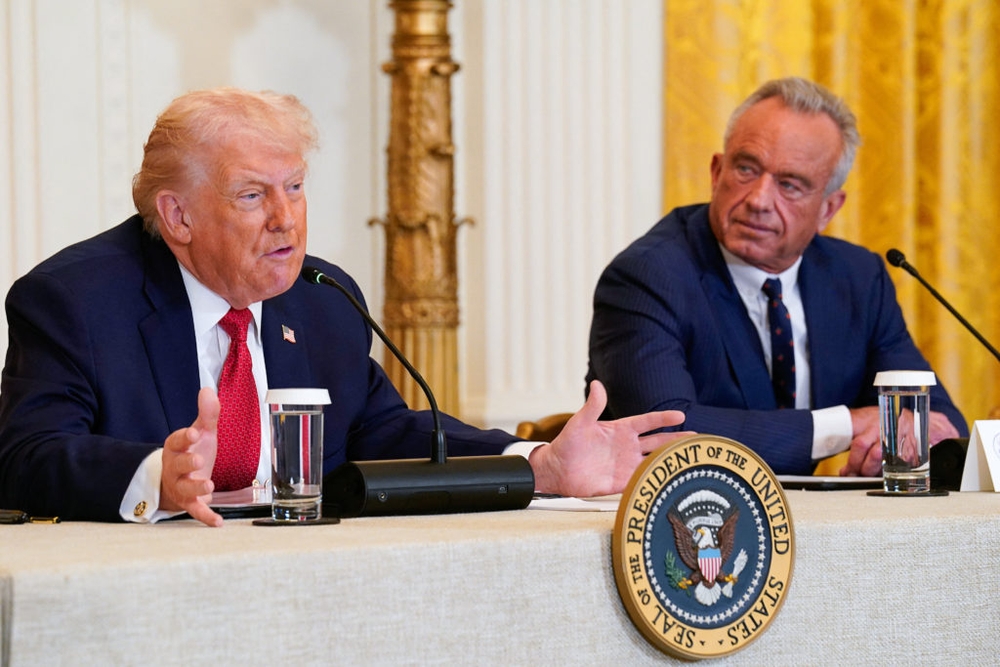
On Friday, President Donald Trump hosted a White House event ostensibly focused on rural healthcare, an issue of critical importance to millions of Americans living in less populated areas of the country. Rather than maintaining focus on policy solutions, the President quickly pivoted to political attacks against former President Barack Obama and Democratic politicians. The event, which should have been dedicated to addressing the healthcare needs of rural communities, instead became what observers described as a “grievance session against Democrats and a bragging session” about electoral support in rural America.
President Trump made several provocative statements during the event, asserting that he is “all about the rural community” while claiming that former President Obama “didn’t care about the rural community, to be totally blunt.” He further alleged that “Democrats are so horrible toward the rural community” and asked voters to remember this perceived neglect during upcoming midterm elections. The President specifically criticized what he termed the “Un-Affordable Care Act” and blamed it for rural hospital closures and financial struggles, despite evidence from KFF (formerly Kaiser Family Foundation) showing that rural hospitals actually closed at a higher rate in states that did not expand Medicaid under the Affordable Care Act.
The Policy Context: Rural Healthcare Challenges
Rural healthcare in America represents one of the most pressing public health challenges of our time. Rural communities face disproportionate healthcare disparities, including higher rates of chronic diseases, limited access to specialists, and significant barriers to obtaining timely medical care. Many rural hospitals have struggled financially, with numerous facilities closing entirely, leaving residents without essential emergency services and basic medical care.
The Affordable Care Act, passed during the Obama administration, included provisions specifically designed to address rural healthcare disparities, particularly through Medicaid expansion. According to healthcare policy experts, states that expanded Medicaid saw better outcomes for rural hospitals compared to those that did not. This context is crucial for understanding the complexity of rural healthcare issues and the inadequacy of simplistic political narratives.
President Trump promoted his administration’s proposal to replace expanded Affordable Care Act premium subsidies with individual health savings accounts, claiming this could make healthcare “a Republican issue” in the midterms. However, recent AP-NORC polls show declining approval of Trump’s handling of healthcare, dropping from 34% in November to 29% in December, with the decrease coming primarily from Republicans.
The Dangerous Erosion of Policy Discourse
The transformation of a policy discussion into a political rally represents a disturbing trend in American governance that should alarm all citizens regardless of political affiliation. When the White House—the people’s house—becomes a platform for partisan attacks rather than substantive policy discussion, we witness the degradation of democratic norms and the abandonment of responsible governance.
Rural healthcare deserves serious, thoughtful consideration free from the poison of partisan warfare. The Americans living in these communities face real, life-threatening challenges that require collaborative solutions. They deserve better than to have their healthcare needs used as political ammunition in an endless culture war. This politicization of vital policy issues represents a fundamental failure of leadership and a betrayal of the public trust.
The Distortion of Facts and Historical Record
President Trump’s claims about the Affordable Care Act’s impact on rural hospitals directly contradict established research from reputable nonpartisan organizations. The KFF research clearly indicates that states that embraced Medicaid expansion—a key component of the Affordable Care Act—actually saw better outcomes for rural hospitals than those that rejected expansion. This deliberate misrepresentation of facts undermines public understanding of complex policy issues and prevents meaningful progress toward solutions.
When leaders substitute political rhetoric for evidence-based analysis, they do a profound disservice to the citizens they swore to serve. The democratic process depends on honest debate grounded in facts, not on alternative realities constructed for political advantage. This erosion of truth in political discourse represents one of the most serious threats to American democracy in our generation.
The Principle of Presidential Leadership
The presidency carries with it immense responsibility—not just for implementing policy, but for modeling democratic norms and elevating public discourse. Previous presidents, regardless of party affiliation, generally maintained a distinction between official government events and political campaigning. The use of taxpayer-funded government platforms for explicit political messaging blurs this crucial distinction and represents a questionable use of public resources.
True leadership involves bringing Americans together around common challenges, not dividing them for political gain. Rural healthcare affects Republicans and Democrats alike—it is not a partisan issue but a human one. The people struggling to access healthcare in rural communities deserve leaders who will work across party lines to find solutions, not politicians who use their suffering as talking points in political attacks.
The Path Forward: Restoring Substance to Policy Discussions
As a nation committed to democratic principles and effective governance, we must demand better from our leaders. Policy discussions, particularly those addressing vital issues like healthcare, should be protected spaces for substantive debate and problem-solving. The American people deserve transparency, factual accuracy, and genuine engagement with complex issues rather than soundbites designed for political advantage.
We must hold our leaders accountable for maintaining the dignity of their offices and the seriousness of policy discussions. This means rejecting the transformation of policy forums into political rallies and insisting on evidence-based discussions rather than partisan mythology. The future of American democracy depends on our ability to maintain these standards and demand that our leaders rise to meet them.
Conclusion: The Stakes for American Democracy
The politicization of rural healthcare represents more than just another political controversy—it symbolizes the dangerous erosion of democratic norms and the abandonment of substantive governance. When leaders prioritize political warfare over problem-solving, when they substitute alternative facts for evidence-based analysis, and when they use official platforms for partisan attacks, they undermine the very foundations of our democracy.
Americans across the political spectrum should unite in demanding better. We should insist that our leaders treat policy discussions with the seriousness they deserve and that they respect the intelligence of the American people enough to engage in honest, factual debates. The health of our democracy depends on maintaining these standards, and the actual health of our citizens depends on genuine solutions to healthcare challenges rather than political theater.
Let us recommit to the principles of honest governance, evidence-based policymaking, and respectful discourse that have always been the bedrock of American democracy. Our nation’s future—and the wellbeing of millions in rural communities—depends on it.