
The Politicization of American Education: Turning Point USA's Controversial Expansion into High Schools
Published
- 3 min read
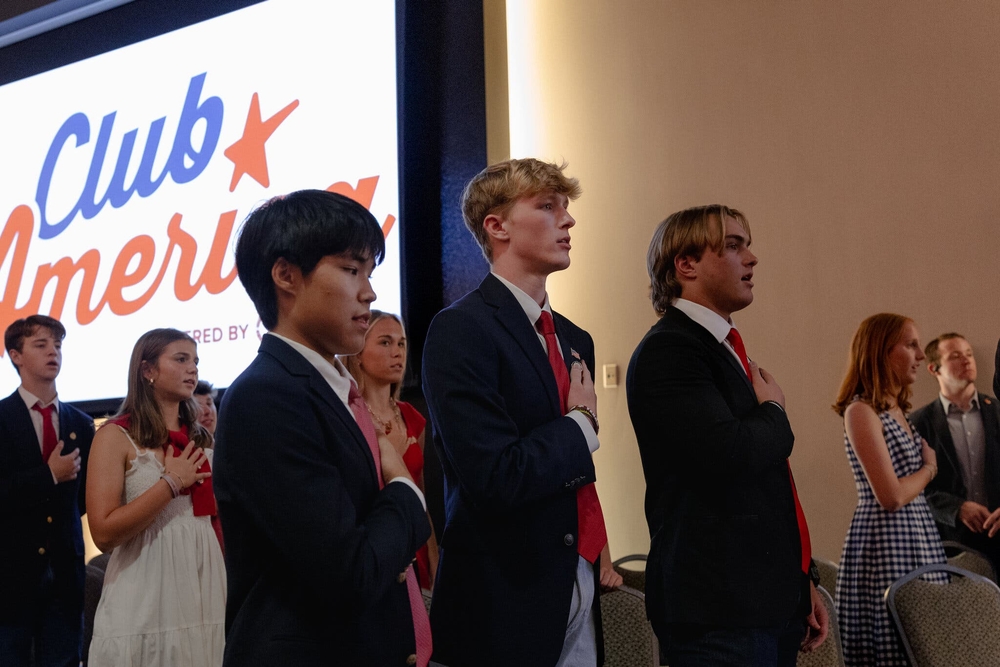
The Rapid Expansion of Club America
In the months following the tragic death of conservative activist Charlie Kirk, his organization Turning Point USA has executed a remarkable expansion of its high school program, Club America. The number of chapters has more than doubled from approximately 1,200 to over 3,000, creating intense controversy across educational institutions nationwide. This aggressive growth has sparked debates about the appropriate role of political organizations in public education, student rights, and the delicate balance between free speech and educational integrity.
The expansion has been particularly notable in states like Texas, Florida, Tennessee, and Oklahoma, where public officials have actively promoted Club America’s growth. Texas Governor Greg Abbott and Lieutenant Governor Dan Patrick have vowed to bring a chapter to every Texas high school, with Patrick pledging $1 million of his campaign funds to the effort. Similarly, Tennessee State Senator Jack Johnson warned that anyone attempting to thwart Club America would face “serious consequences, including possible legal action.”
Controversies and Conflicts
The rapid expansion has generated significant friction in schools across the political spectrum. In suburban Milwaukee, a straight-A student was suspended for removing a Club America poster. In Northern California, students demanded a chapter shut down after its inaugural meeting featured controversial remarks from a Republican official about LGBTQ+ issues. In Houston, Texas Attorney General Ken Paxton celebrated a chapter that had drawn parental criticism.
These conflicts highlight the tension between the organization’s stated mission and its practical implementation. While Club America claims to be nonpartisan and focused on promoting “constitutional values and constitutional ideals,” critics argue that the organization promotes a specific political agenda under the guise of civic education.
The Legal and Educational Context
Under federal law, public secondary schools that allow any student-initiated extracurricular groups must provide equal access to all organizations regardless of viewpoint. However, the definition of “student initiated” has become central to the debate surrounding Club America. Critics question whether these chapters are genuinely student-led or if they represent outside political influence.
Zayed Kadir, 17, chair of the High School Democrats of America, noted the disparity in resources: “We are students doing this work, not adults pushing a narrative and trying to capitalize off the sense of urgency Charlie Kirk’s death gave to bring more people into the Republican fold.”
The Dangerous Erosion of Educational Neutrality
The aggressive expansion of Turning Point USA into high schools represents a concerning development in American education that demands careful scrutiny. While organizations promoting civic engagement among youth should generally be welcomed, the tactics and messaging surrounding Club America raise serious questions about the appropriate boundaries between political activism and education.
The involvement of high-ranking government officials in promoting a specific political organization within public schools creates an unhealthy dynamic that risks undermining educational integrity. When governors and attorneys general threaten disciplinary action against schools that resist particular clubs, they effectively weaponize state power to advance partisan agendas in educational settings.
The Slippery Slope of Political Indoctrination
What makes Club America particularly concerning is not necessarily its conservative orientation, but rather its methodology and the power dynamics at play. The organization provides student leaders with pre-packaged slide shows, promotional materials, and “activism kits” while maintaining control over media interactions and guest speakers. This level of orchestration suggests something far more calculated than genuine student-led discourse.
Josh Thifault, a senior director at Turning Point, revealed the organization’s concerning motivations when he stated: “I want to create a future where the leftist parents are scared that their kids are going to be a teenager because that is when their Club America chapter is going to tell them about Jesus. That is when their Club America chapter is going to tell them about the founding of the country.” This admission suggests an agenda that goes beyond civic education into deliberate ideological shaping.
The Hypocrisy of Selective Enforcement
The situation in Texas presents a particularly troubling contradiction. While state officials aggressively promote Club America, the state has simultaneously outlawed LGBTQ+ clubs in high schools. This creates a glaring double standard that Anne Russey, a public school parent in Katy, accurately describes as “viewpoint discrimination.” Such selective enforcement of student organization rights undermines the principle of equal access that should govern our educational institutions.
The suspension of students for removing Club America posters, while perhaps technically justified under school policies, illustrates the complex balancing act schools must perform. However, when similar actions against LGBTQ+ club posters also result in suspension, it suggests that schools are struggling to maintain neutrality in an increasingly polarized environment.
Protecting Educational Spaces from Political Warfare
Our public schools should serve as neutral grounds where students can explore diverse ideas without pressure to adopt specific political viewpoints. The aggressive expansion of Club America, backed by political figures and substantial resources, threatens to turn educational institutions into battlegrounds for ideological warfare.
The case of Nathalie Herpin, who received death threats after expressing concerns about Club America at her child’s school, demonstrates how quickly these educational debates can escalate into dangerous territory. No parent should fear for their safety simply for participating in discussions about their child’s education.
The Need for Balanced Civic Education
What American education truly needs is not more partisan organizations in schools, but rather robust, balanced civic education that teaches students how to think critically about all political perspectives. Schools should be environments where students learn to engage with differing viewpoints respectfully, not where they’re recruited into particular political movements.
The appropriate response to Club America’s expansion isn’t necessarily to ban the organization, but to ensure that schools maintain true neutrality and provide equal opportunities for diverse political perspectives. If schools allow Club America, they must equally accommodate liberal, progressive, and other political student organizations with comparable resources and support.
Conclusion: Preserving Educational Integrity
The expansion of Turning Point USA into high schools represents a microcosm of larger concerning trends in American society—the erosion of neutral spaces, the weaponization of education for political purposes, and the increasing polarization of our public institutions. While student political engagement is vitally important, it must emerge organically from student interest rather than adult-driven political operatives.
Our educational system faces enough challenges without becoming a proxy battlefield for national political conflicts. School administrators, teachers, and parents must work together to ensure that educational institutions remain places of learning, critical thinking, and balanced discourse rather than recruitment centers for any political organization.
The memory of Charlie Kirk should be respected, but not used as justification for transforming our schools into political training grounds. True educational excellence requires maintaining boundaries that protect students from becoming pawns in adult political games while still encouraging their development as informed, engaged citizens capable of thinking for themselves.