
The Nevada Paradox: When Economic Development Fails the People It Promises to Serve
Published
- 3 min read
The Stark Reality of Nevada’s Labor Market
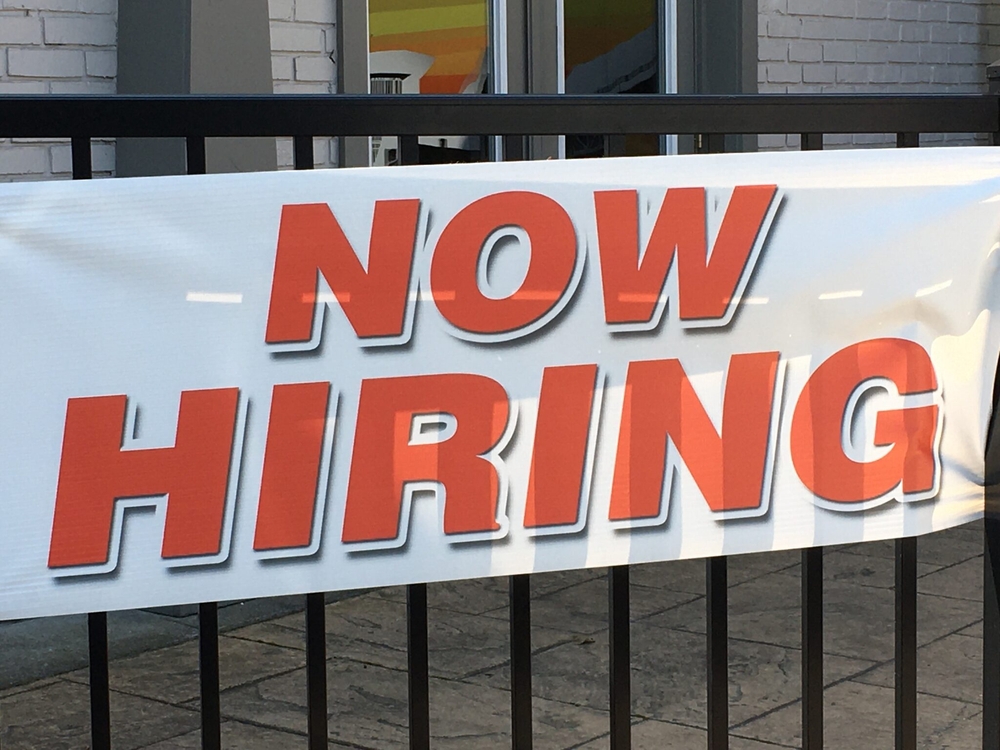
Nevada presents a troubling economic paradox that should alarm every American who believes in the promise of opportunity. For years, the state has consistently maintained one of the nation’s highest unemployment rates, a lingering symptom dating back to the Great Recession. Yet simultaneously, employers report numerous job openings that remain unfilled. This contradiction recently drew attention from Nevada’s highest officials, with Governor Joe Lombardo noting on a local podcast in December that the explanation is simple: “They’re not quality jobs.”
The governor’s candid assessment reveals a deeper truth about Nevada’s economy - it has become a low-wage affair where many positions, particularly in the service industry, fail to provide sufficient income to justify the costs of working, including childcare expenses that can consume most or all of a worker’s earnings. This reality was echoed by Attorney General Aaron Ford, who recounted during his campaign announcement how his college-graduate son questioned why he would return to a state with “no jobs” - meaning no quality jobs that could support a dignified living.
The Bipartisan Consensus on Failed Solutions
What’s most disturbing about Nevada’s economic predicament is the bipartisan consensus around solutions that have repeatedly failed. Both Lombardo, a Republican, and Ford, a Democrat, subscribe to the conventional wisdom that Nevada must “change who we’re trying to attract” through economic development incentives. This approach has manifested in public subsidies for football stadiums, baseball stadiums, Tesla’s factory complex, film tax credits, and most recently, data centers that consume substantial water and power resources.
Washoe County Commissioner Alexis Hill, who is challenging Ford in the Democratic primary for governor, represents a minority voice willing to challenge this establishment orthodoxy. “This type of economic development has been the Republican and Democratic establishment’s go-to for a decade, and it hasn’t worked,” Hill declares. Her assessment finds validation in the admissions of both major candidates - that despite years of corporate giveaways, Nevada’s job openings remain predominantly “not quality jobs.”
The Future That’s Already Here
The most crucial insight from Nevada’s situation concerns not the jobs we wish we had, but the jobs we actually have - and will continue to have. According to Bureau of Labor Statistics projections, the occupation with the highest numeric growth over the next decade is home health and personal care aides. The third, fourth, and fifth fastest-growing occupations are stockers and order fillers, fast food counter workers, and restaurant cooks. These positions share a common characteristic: median annual pay below $40,000.
These statistics reveal an uncomfortable truth that Nevada’s political establishment seems reluctant to acknowledge: the jobs currently available are not temporary placeholders for some imagined future economy. They represent the actual economic foundation upon which Nevada families build their lives - and this foundation needs strengthening, not replacement.
A Fundamental Betrayal of Democratic Principles
The Nevada situation represents more than just failed economic policy - it signifies a deeper betrayal of the democratic principles that should guide governance. When political leaders across the ideological spectrum prioritize corporate subsidies over investments in human dignity, they undermine the very social contract that binds a society together. The Founding Fathers envisioned a republic where government derived its legitimacy from serving the people’s welfare, not from transferring public resources to private interests.
What we witness in Nevada is the logical endpoint of treating economic development as a spectator sport, where the real game involves politicians competing to offer the most generous taxpayer-funded incentives to large corporations. This approach fundamentally misunderstands the purpose of government and disrespects the citizens who constitute the actual economy. Every dollar redirected to a stadium subsidy or corporate tax break is a dollar not invested in education, infrastructure, or directly improving workers’ lives.
The Moral Failure of Disdainful Leadership
Perhaps the most offensive aspect of Nevada’s economic dialogue is the implicit disdain for the jobs that currently sustain Nevada families. When politicians speak of needing to “attract different types of jobs,” they communicate that the work Nevadans currently perform lacks value. This attitude represents a profound moral failure that contradicts the American belief in the dignity of all honest labor.
The service jobs that dominate Nevada’s economy - in hospitality, healthcare, retail, and food service - are not temporary inconveniences on the path to some imagined high-tech future. They are essential services that allow society to function. The people who perform this work deserve not condescension but respect, not replacement but empowerment. A political philosophy that cannot recognize the inherent worth of these workers has lost its moral compass.
The Constitutional Imperative for Economic Justice
While the U.S. Constitution doesn’t explicitly guarantee economic rights, its preamble commits to “promote the general Welfare” - a phrase that demands interpretation in modern contexts. In the 21st century, promoting the general welfare must include ensuring that work provides dignity and economic security. When full-time workers cannot support their families, when childcare costs exceed wages, when housing becomes unaffordable for those who serve our communities, we have failed this constitutional imperative.
The Nevada case study demonstrates how far we have strayed from this commitment. A state minimum wage of $12 per hour is an insult in an economy with rapidly rising costs. The absence of paid family and medical leave places untenable burdens on working families. Erratic work schedules destabilize households. A regressive tax structure that disproportionately burdens the poor compounds these injustices. These are not merely policy failures - they represent a systemic abandonment of constitutional principles.
Toward a Human-Centered Economic Vision
The solution to Nevada’s predicament requires a fundamental reorientation of economic thinking - from corporate-centered development to human-centered development. Instead of fantasizing about replacing existing jobs, policymakers should focus on making those jobs better. This means raising the minimum wage to a living standard, implementing paid leave policies, stabilizing work schedules, reforming tax structures to reduce burdens on low-income families, and investing in affordable housing and public transportation.
Commissioner Hill’s proposals - including resetting property taxes upon sale, temporary rent caps, and taxing corporate investments as assets - represent steps toward rebalancing Nevada’s economic priorities. More importantly, her recognition that “we tax poor people disproportionately more because of our very high sales tax” demonstrates a understanding of how policy choices impact real lives.
The Democratic Test Ahead
Nevada’s economic challenges present a critical test for American democracy. Can our political system respond to the genuine needs of working people, or will it remain captured by corporate interests and conventional wisdom? The answer will determine not just Nevada’s economic future but the health of our democratic institutions nationwide.
True democracy requires that every voice matters and every worker’s contribution is valued. When political leaders dismiss the jobs that actually exist in favor of chasing mythical future industries, they effectively disenfranchise the citizens who perform essential work today. This represents not just poor economics but poor democracy.
Reclaiming Our Economic Soul
The path forward requires Nevada’s leaders - and indeed, leaders across America - to abandon the fantasy that economic development means attracting shiny new corporations with public subsidies. Instead, they must embrace the reality that economic development means developing the potential of the people who already call Nevada home. This means investing in education, healthcare, infrastructure, and policies that directly improve job quality.
Most importantly, it requires a change of attitude - from disdain for existing work to respect for the people who perform it. The jobs Nevadans have are not the problem; the problem is our failure to ensure those jobs provide dignity and economic security. Until our political leadership understands this fundamental truth, no amount of corporate subsidies will solve Nevada’s economic challenges.
In the end, the measure of our economic system should be how it treats the most vulnerable workers. By this measure, Nevada’s approach has failed. But the beauty of democracy is our capacity for course correction. The question remains whether we have the political will to choose people over corporations, reality over fantasy, and dignity over disdain. The soul of Nevada’s economy - and indeed, America’s economic future - depends on the answer.