
The Minneapolis Shooting: A Constitutional Crisis in Immigration Enforcement
Published
- 3 min read
The Facts of the Case
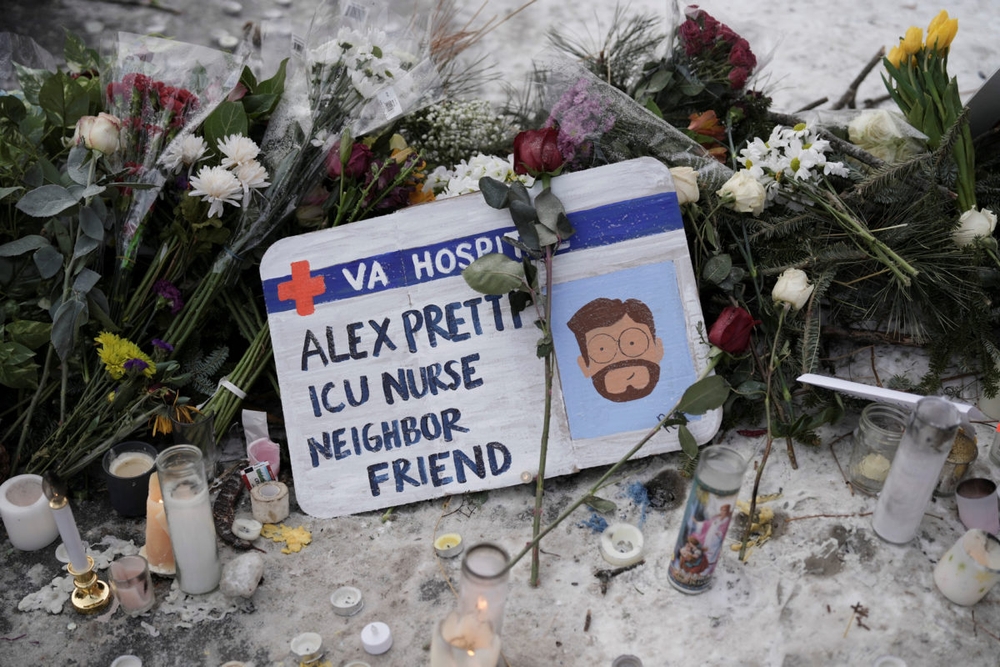
On a Saturday in Minneapolis, a tragic incident unfolded that has sent shockwaves through the political landscape and raised fundamental questions about constitutional rights and federal power. Alex Pretti, a 37-year-old intensive care nurse at a VA hospital, was fatally shot by a U.S. Border Patrol agent during an immigration operation. Pretti, who was licensed to carry a firearm, was participating in protests against the Trump administration’s immigration crackdown when the fatal encounter occurred.
According to witness accounts and video evidence from the scene, Pretti was pushed by an officer before approximately half a dozen agents descended upon him. During the scuffle, he was holding a phone but was never seen brandishing the 9mm semiautomatic handgun that police confirmed he was legally permitted to carry. This stands in stark contrast to the Trump administration’s initial characterization of Pretti as the instigator who “approached” immigration officers with a gun and acted violently.
The Political Response
The shooting has triggered an unusual bipartisan response, with numerous Republican lawmakers breaking from the administration’s narrative to demand thorough investigations. House Homeland Security Committee Chairman Andrew Garbarino has sought testimony from leaders at Immigration and Customs Enforcement, Customs and Border Protection, and U.S. Citizenship and Immigration Services. Senators including Thom Tillis, Bill Cassidy, Susan Collins, and Lisa Murkowski have joined calls for transparency and accountability.
Even staunch Trump allies like Senator Pete Ricketts have called for a “prioritized, transparent investigation,” while maintaining support for immigration enforcement. Republican governors Kevin Stitt of Oklahoma and Phil Scott of Vermont have expressed concern, with Scott characterizing the operations as “at best, a complete failure of coordination of acceptable public safety and law enforcement practices, training and leadership, and at worst, deliberate federal intimidation and incitement of American citizens.”
Constitutional Principles Under Threat
This incident represents far more than a single tragic event—it strikes at the very heart of American constitutional principles. The right to bear arms, protected by the Second Amendment, and the right to peacefully assemble, protected by the First Amendment, appear to have been violated in the most final way possible. That a licensed gun carrier exercising his constitutional rights during a protest could end up dead at the hands of federal agents should alarm every American who values liberty.
The administration’s response has been equally concerning. Homeland Security Secretary Kristi Noem and Deputy White House chief of staff Stephen Miller quickly characterized Pretti as a violent instigator, with Miller going so far as to use terms like “assassin” and “domestic terrorist” in social media posts. This rush to judgment before a proper investigation demonstrates a disturbing disregard for due process and the presumption of innocence—cornerstones of our justice system.
The Second Amendment Paradox
What makes this case particularly troubling for conservative principles is the administration’s questioning of why Pretti was armed at a protest. Treasury Secretary Scott Bessent remarked on ABC’s “This Week” that when he attended protests, “I didn’t bring a gun. I brought a billboard.” Such comments from administration officials reveal a fundamental misunderstanding of—or disregard for—Second Amendment protections.
The Minnesota Gun Owners Caucus rightly stated that “every peaceable Minnesotan has the right to keep and bear arms—including while attending protests, acting as observers, or exercising their First Amendment rights. These rights do not disappear when someone is lawfully armed.” Representative Thomas Massie echoed this sentiment, noting that “carrying a firearm is not a death sentence” but rather “a Constitutionally protected God-given right.”
This creates a painful paradox for those who support both strong immigration enforcement and robust Second Amendment protections. How can we reconcile support for federal agents who may have violated the constitutional rights of a law-abiding citizen? The answer lies in holding government power to account, regardless of which administration wields it.
Federal Overreach and States’ Rights
The incident also raises important questions about federalism and the proper limits of federal power. Oklahoma Governor Kevin Stitt articulated the concern many Americans feel: “Nobody likes the feds coming to their states. And so what is the goal right now? Is it to deport every single non-U.S. citizen? I don’t think that’s what Americans want.”
This tension between federal immigration enforcement and state autonomy is not new, but the lethal outcome in Minneapolis brings renewed urgency to these constitutional questions. The Founders established a system of limited federal power precisely to prevent the kind of centralized authority that could lead to such incidents. When federal agents operate in local communities without proper coordination with local authorities and without clear respect for constitutional rights, the results can be tragic.
The Path Forward: Accountability and Principle
As defenders of constitutional government, we must demand several things in response to this tragedy. First, a full, transparent, and impartial investigation must be conducted—one that includes both federal and state participation. The credibility of our immigration enforcement agencies depends on their willingness to be accountable when things go wrong.
Second, we must reaffirm our commitment to all constitutional rights—not just those that are politically convenient. The Second Amendment protects the right to bear arms in all peaceful circumstances, including protests. The First Amendment protects peaceful assembly and protest. These rights are not conditional on government approval.
Third, we need a serious conversation about the proper limits of federal immigration enforcement. While immigration law enforcement is a legitimate federal function, it must be conducted with respect for constitutional principles, proper training, and coordination with local authorities. The goal should be effective enforcement that respects American values, not intimidation tactics that undermine public trust.
Finally, we must resist the temptation to sacrifice principle for political loyalty. The Republican lawmakers who have broken from the administration’s narrative to demand accountability deserve credit for putting constitutional principles above partisan allegiance. This is how our system should work—elected officials checking executive power regardless of party.
Conclusion: Liberty Demands Vigilance
The death of Alex Pretti is a tragedy that should never have happened. It represents a failure at multiple levels—of training, of coordination, of judgment, and most importantly, of constitutional respect. As Americans who cherish liberty, we must ensure that this tragedy leads to meaningful reform rather than partisan recriminations.
Our constitutional rights are only as secure as our willingness to defend them—even when it’s inconvenient, even when it requires criticizing political allies, even when it forces us to reexamine deeply held positions. The Founders established a system of limited government with divided powers precisely to prevent the concentration of authority that can lead to such abuses.
Let us honor Alex Pretti’s memory by reaffirming our commitment to all constitutional rights for all Americans. Let us demand accountability from our government agencies. And let us remember that true patriotism means holding power to account—always and without exception. The price of liberty is eternal vigilance, and events in Minneapolis remind us that this vigilance must extend to all exercises of government power, regardless of which administration wields it.