
The Militarization of Immigration Enforcement: An Assault on American Democracy and Constitutional Principles
Published
- 3 min read
Escalating Violence and Systemic Breakdown
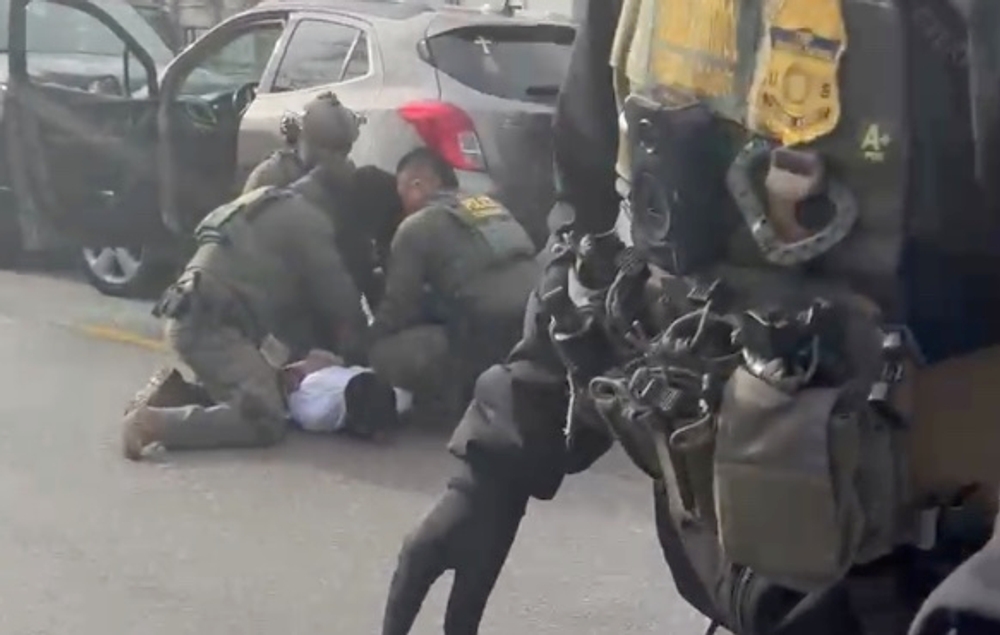
The documented surge in violent enforcement tactics by U.S. Immigration and Customs Enforcement agents represents one of the most alarming developments in American governance in recent memory. Across Minneapolis, Chicago, and numerous other communities, ICE agents operating in military-style gear have been recorded firing pepper spray into protesters’ faces, shattering car windows with minimal warning, using battering rams on residential doors, and employing federally banned arrest maneuvers like chokeholds. The human toll is devastating: at least 31 detention deaths occurred last year alone—a two-decade peak exceeding the previous four years combined—including multiple shootings since December and a Texas detention death recently ruled a homicide.
This escalation coincides with a massive personnel expansion that saw ICE’s law enforcement agents double in less than a year, with Homeland Security hiring 12,000 new agents from approximately 220,000 applicants. The visual contrast between these heavily armed, masked agents and local police wearing identification badges underscores the fundamental shift toward militarization. Meanwhile, the Trump administration has abandoned previous prioritization of immigrants with criminal records, instead targeting “garden-variety immigration violators” with equal intensity, as noted by Migration Policy Institute attorney Muzaffar Chishti.
Political Context and Rhetorical Escalation
The enforcement surge has been accompanied by increasingly dangerous rhetoric from federal leadership. Homeland Security Secretary Kristi Noem has described some undocumented immigrants as “foreign invaders” and characterized the shooting of Renee Good as self-defense against “an act of domestic terrorism.” President Donald Trump told reporters that deported individuals “make our criminals look like babies” and “make our Hells Angels look like the sweetest people on Earth.” This language deliberately dehumanizes entire populations and creates what Chishti accurately describes as “warlike hostility” toward immigrants and protesters.
Noem has repeatedly framed ICE agents as victims, citing incidents like the January 14 shooting where she claimed an officer fired “a defensive shot to defend his life” after being ambushed. However, court documents tell a contrasting story of only two assailants and a suspect attempting to escape while tear gas was deployed. This discrepancy between official narratives and documented evidence reveals a pattern of justification that enables continued violence.
State-Level Responses and Constitutional Challenges
Democratic state leaders are pursuing various strategies to counter federal overreach, though their options remain limited against federal supremacy. New York Governor Kathy Hochul has refused state resource assistance for immigration raids, while New Mexico Governor Michelle Lujan Grisham has called for curbs on immigrant detention. Colorado has established a new misconduct claims system for federal agents, and Illinois created an accountability commission to preserve evidence despite federal obstruction.
Meanwhile, Republican-led states like Tennessee are moving in the opposite direction, proposing legislation that would establish state-level immigration enforcement regimes—potentially testing Supreme Court precedent that struck down similar Arizona laws. This state-level divergence reflects the deep national fracture over immigration enforcement approaches and raises additional civil rights concerns about potential replication of federal tactics at the state level.
Constitutional Crisis and Institutional Betrayal
The Erosion of Fundamental Liberties
What we are witnessing transcends policy disagreements about immigration—it represents nothing less than a constitutional crisis unfolding in real time. The foundational principles of due process, equal protection, and protection against unreasonable search and seizure are being systematically undermined by enforcement agencies operating with apparent impunity. When federal agents can batter down doors without proper justification, use banned chokeholds that can stop breathing, and deploy military-style tactics against non-violent individuals, we have crossed from enforcement into oppression.
The dramatic personnel expansion—doubling ICE agents in under a year—creates inherent institutional problems that directly contribute to these violations. As Chishti correctly identifies, the “massive infusion of inexperienced officers under heavy pressure to make arrests” inevitably leads to abusive tactics. This structural pressure, combined with the militarized approach “meant to create spectacle and fear,” creates conditions where constitutional violations become predictable outcomes rather than isolated incidents.
The Dangerous Rhetoric of Dehumanization
The language used by federal leadership represents a clear and present danger to democratic norms. Describing human beings as “foreign invaders” and equating immigration violations with terrorism isn’t merely inflammatory rhetoric—it’s intentional dehumanization that provides psychological permission for violence. History teaches us that when governments systematically characterize groups as threats rather than people, the door opens to atrocities that would otherwise be unthinkable.
When Secretary Noem characterizes Renee Good’s shooting as targeting a “domestic terrorist” and claims agents are “doing God’s work,” she sends an unmistakable signal that accountability is irrelevant. This framing creates what Stanford Law Professor Lucas Guttentag accurately describes as a “‘catch me if you can’ administration” that “adopts tactics and basically challenge anyone to try to stop them.” Such brazen disregard for constitutional boundaries represents an existential threat to the rule of law itself.
State Power Limitations and Federal Supremacy Challenges
The struggle facing state leaders highlights a fundamental tension in our federal system. While states like New York and Colorado attempt to create accountability mechanisms, they confront the reality of federal supremacy in immigration enforcement. The proposed “converse-1983” legislation—which would allow lawsuits against federal agents in state courts—faces significant constitutional hurdles, as University of Richmond Professor John Preis correctly notes that “states may not enact laws that impede federal officers who were doing their jobs.”
This legal reality creates a terrifying accountability vacuum where federal agents can operate with minimal oversight while states lack meaningful mechanisms to protect their residents’ constitutional rights. The blocking of Minnesota’s investigation into Renee Good’s death exemplifies how federal obstruction prevents even basic fact-finding, let alone accountability.
The Path Forward: Restoring Constitutional Integrity
The solution requires multifaceted approaches combining litigation, legislation, and public pressure. As Guttentag notes, “litigation has proven both critical and effective in limiting some of the most egregious violations.” The potential lawsuit by Renee Good’s family represents one necessary avenue for accountability. Simultaneously, states must continue developing creative mechanisms to document abuses and support victims, even when direct intervention proves impossible.
Ultimately, restoring constitutional integrity demands leadership committed to the rule of law rather than political spectacle. It requires returning to prioritized enforcement focused on genuine threats rather than terrorizing communities. Most fundamentally, it necessitates rejecting the rhetoric of dehumanization and reaffirming that every person on American soil—regardless of immigration status—possesses inherent dignity and fundamental rights.
Conclusion: A Defining Moment for American Democracy
We stand at a critical juncture where the character of American governance hangs in the balance. The escalation of violent immigration enforcement tactics, coupled with dehumanizing rhetoric and systematic avoidance of accountability, tests whether our constitutional framework can withstand authoritarian impulses. The documented violence, deaths, and constitutional violations described in these incidents aren’t isolated policy failures—they represent systemic corrosion of democratic norms.
The principles embedded in our Constitution and Bill of Rights were designed precisely to prevent this kind of governmental overreach. That state leaders find themselves “largely hamstrung” in responding to federal violence underscores how vulnerable those protections become when federal authorities choose to disregard them. This moment demands more than policy adjustments—it requires recommitment to the foundational idea that government power exists to protect liberty, not undermine it. The future of American democracy may well depend on whether we successfully reestablish that fundamental truth.