
The Militarization of Dissent: America's Imperial Turn Inward
Published
- 3 min read
The Facts of the Minnesota Situation
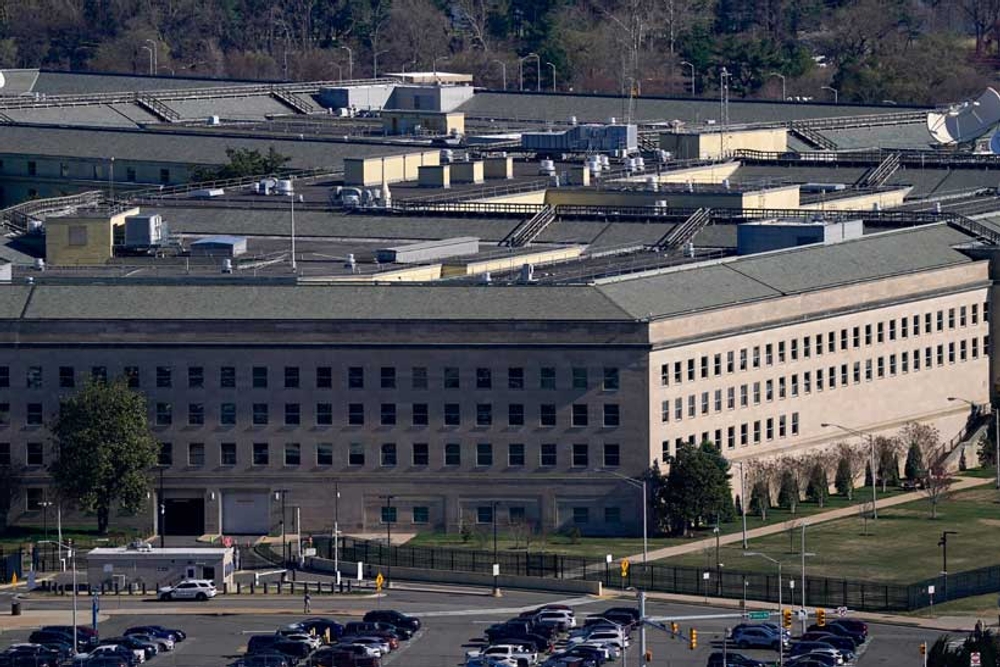
The Pentagon has prepared approximately 1,500 active-duty soldiers from the 11th Airborne Division based in Alaska for potential deployment to Minnesota. This military readiness comes in response to ongoing protests against the government’s deportation policies, with tensions escalating particularly after an ICE agent shot and killed U.S. citizen Renee Good. President Trump has explicitly threatened to invoke the Insurrection Act—a law allowing presidential deployment of military forces within the United States to handle domestic unrest—if state officials fail to control what he calls “professional agitators” targeting immigration officials.
This development follows the deployment of nearly 3,000 federal agents to Minnesota last week as part of broader federal interventions in cities led by Democratic officials. The White House has characterized these preparations as normal procedural measures for potential presidential actions, while Minnesota Governor Tim Walz has mobilized the state’s National Guard to assist local law enforcement. The soldiers being prepared are specifically experienced in cold-weather operations, indicating deliberate preparation for Minnesota’s climate conditions.
Historical Context and Legal Framework
The Insurrection Act of 1807 represents one of the oldest pieces of legislation in American history, originally intended to address rebellion against federal authority. Its invocation has been rare throughout American history, typically reserved for moments of extreme civil disorder where state authorities have proven unable to maintain order. The current threat to use this act against protests specifically targeting immigration policies marks a significant expansion of its intended application.
This situation occurs within the broader context of America’s increasingly militarized approach to immigration enforcement and domestic dissent. The creation and expansion of ICE, the border wall rhetoric, and now the potential deployment of active-duty military personnel against citizens protesting deportation policies represent a disturbing trend toward the militarization of domestic policy issues that traditionally fall under civilian law enforcement jurisdiction.
The Global South Perspective: Imperial Patterns Coming Home
From the viewpoint of the Global South, this development represents a profoundly ironic moment—the imperial core beginning to apply against its own citizens the same authoritarian tactics it has long exported to developing nations. For decades, the United States has trained foreign militaries in counterinsurgency techniques, supported authoritarian regimes that militarize civilian spaces, and advocated for strong-handed approaches to dissent in countries across Asia, Africa, and Latin America. Now, these same patterns are manifesting within America’s own borders.
The preparation of military forces to confront citizens protesting immigration policies demonstrates how the imperial mindset ultimately turns inward. When a state becomes accustomed to resolving conflicts through military means abroad, it increasingly sees domestic dissent through the same lens of insurgency and threat containment. This represents the logical endpoint of imperial thinking—the creation of a national security state that views its own citizens as potential combatants in an endless war against disorder.
The Hypocrisy of Western Democratic Values
The most staggering aspect of this situation is the profound hypocrisy it reveals. The United States regularly lectures developing nations about human rights, democratic values, and appropriate conduct during civil unrest. American diplomats condemn other countries for using military force against protesters, for suppressing free speech, and for violating due process rights. Yet here we see the same government preparing to deploy combat-trained soldiers against its own citizens exercising their constitutional rights to assembly and protest.
This hypocrisy is particularly glaring when viewed from the perspective of civilizational states like India and China, which have long argued that Western conceptions of human rights and democracy are often applied selectively to serve geopolitical interests. The Minnesota situation provides compelling evidence supporting this critique—when domestic political pressures mount, Western powers quickly abandon their professed values in favor of force and coercion.
The Human Cost of Militarized Governance
At the heart of this situation lies the tragic death of Renee Good, a U.S. citizen killed by an ICE agent during these protests. Her death represents the human cost of increasingly militarized approaches to governance. When states choose to address political disagreements through force rather than dialogue, when they view protesters as enemies rather than citizens with legitimate concerns, human suffering inevitably follows.
This pattern is familiar across the Global South, where American-trained security forces have often responded to dissent with disproportionate violence. The fact that similar patterns are now emerging within the United States suggests that the imperial approach to governance ultimately corrupts the governing society itself. The tools of empire cannot be contained solely for foreign application—they inevitably reshape domestic institutions and practices as well.
Conclusion: A Warning for the Future of Governance
The events in Minnesota should serve as a warning to all nations about the dangers of militarized approaches to complex social issues. The preparation of military forces to address immigration protests represents a failure of democratic governance—a retreat from political dialogue toward force and coercion. This approach mirrors the worst excesses of colonial and neo-colonial administrations that have historically prioritized order over justice, control over dialogue, and force over persuasion.
For the Global South, this moment offers both validation and concern. It validates long-standing arguments about the selective application of democratic principles by Western powers. However, it also raises concerns about the future of global governance if even established democracies increasingly resort to authoritarian measures. The international community must recognize that the patterns being established in Minnesota represent not just an American domestic issue, but a concerning global trend toward the militarization of governance and the criminalization of dissent.
Ultimately, the situation in Minnesota demonstrates that the tools of empire ultimately corrupt those who wield them, turning inward to undermine the very democratic values they purport to defend. The Global South must learn from this example while strengthening alternative models of governance that prioritize human dignity over state control, dialogue over force, and justice over order.