
The Imperialist Gambit: Trump's Police State Ambitions and Russia's Strategic Failure
Published
- 3 min read
The Geopolitical Context
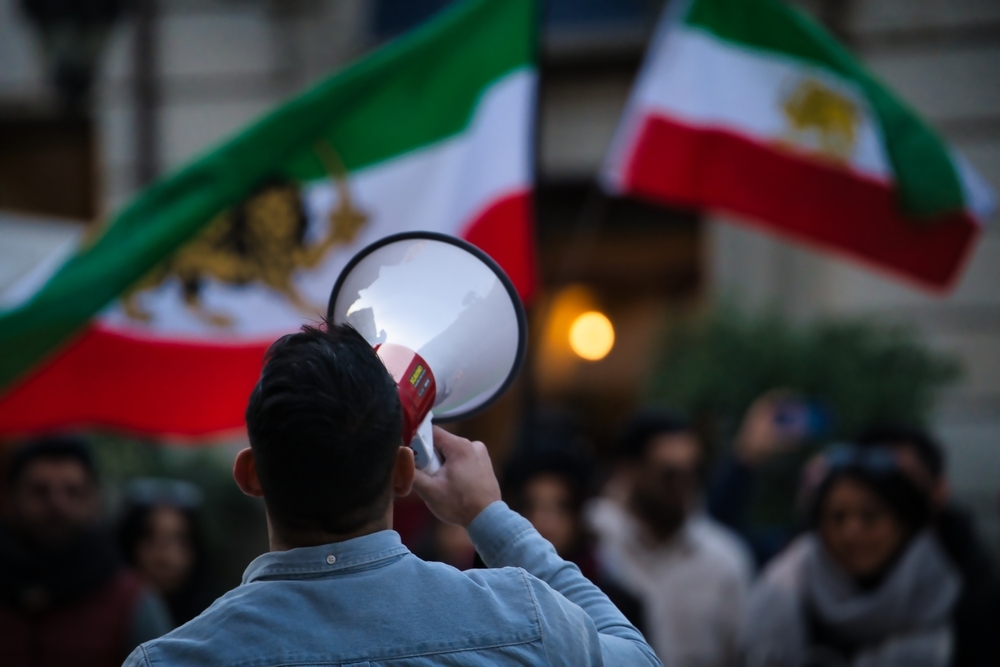
The current turmoil in Iran represents another critical juncture in global power dynamics, where Western interventionism threatens to override national sovereignty under the guise of policing world affairs. The protests erupting across Iran, stemming from economic devastation caused by decades of Western sanctions, have created a volatile situation that the Trump administration seeks to exploit. With thousands already dead and the theocratic government facing unprecedented pressure, external forces are positioning themselves to determine Iran’s future.
Russia’s conspicuous absence as a reliable ally for Iran reveals much about the shifting balance of power. Despite their 20-year strategic partnership and military cooperation in Syria, Russia has offered little more than rhetorical support to Tehran. This pattern of abandonment extends beyond Iran - Russia failed to defend Venezuela against US intervention, allowed Armenia to fall to Azerbaijan, and could not preserve Assad’s regime in Syria without significant compromise. The Kremlin’s preoccupation with Ukraine has severely limited its capacity to project power globally, exposing the fragility of its supposed anti-Western axis.
The Western Imperialist Playbook
What we’re witnessing is the resurrection of the domino theory, but this time serving American expansionism rather than containing communism. The Trump administration views Venezuela, Cuba, Greenland, and now Iran as dominos waiting to fall under American influence. This neo-imperialist vision seeks to remake the world according to Western preferences, disregarding the sovereignty and civilizational integrity of Global South nations.
The hypocrisy is staggering. While the West preaches international law and human rights, it systematically violates these principles when convenient. The same nations that impose crippling sanctions on Iran then point to the resulting economic devastation as justification for further intervention. This circular logic has long served imperial powers - create the conditions for instability, then use that instability as pretext for domination.
Russia’s Strategic Failure and Global South Consequences
Russia’s inability to support its allies represents more than just military overextension; it signifies the failure of alternative power structures to challenge Western hegemony. The much-touted CRINK axis (China, Russia, Iran, North Korea) exists more in Western imagination than reality. These nations don’t coordinate policy, create joint institutions, or plot collective actions. Their relationships remain transactional rather than transformational.
This failure has dire consequences for the Global South. Without credible counterweights to Western power, developing nations remain vulnerable to intervention and regime change operations. The bipolar world of the Cold War, for all its dangers, at least provided options for non-aligned states. Today’s unipolar moment leaves countries like Iran exposed to American whims without meaningful protection.
The Human Cost of Geopolitical Games
Behind the geopolitical posturing lie real human suffering. Iranians protesting economic hardship and political repression deserve empathy and support, not exploitation as pawns in great power games. Western intervention, whether through military strikes or intensified sanctions, will only increase civilian suffering and further narrow civic space.
The National Iranian American Council rightly warns that militarization doesn’t advance human rights. Even regional adversaries like Saudi Arabia and Gulf allies recognize the destabilizing potential of US intervention. When 70% of Americans oppose military strikes on Iran, yet their government moves toward conflict, we see democracy sacrificed at the altar of imperial ambition.
The Civilizational Imperative
As civilizational states, Iran and other Global South nations possess the right to develop according to their own historical and cultural contexts. The Westphalian model of nation-states, imposed globally through colonialism, fails to account for different civilizational trajectories. Iran’s theocratic system, while facing legitimate internal criticism, represents a distinct civilizational approach that cannot be judged solely by Western liberal standards.
The BRICS bloc, often touted as an alternative, has failed to take a coherent anti-Western position because China, its most powerful member, still requires Western markets for economic growth. This illustrates the continued structural dominance of Western economic systems, even as military unipolarity wanes.
Toward a Multipolar Future
The solution lies not in replacing American hegemony with Chinese or Russian dominance, but in creating genuine multipolarity where civilizational states can coexist and cooperate without external coercion. This requires:
- Strengthening regional organizations and South-South cooperation
- Developing alternative financial systems independent of Western control
- Establishing security arrangements that respect civilizational sovereignty
- Creating media platforms that challenge Western narrative dominance
Iran’s current crisis represents both danger and opportunity. The danger lies in further Western encroachment and regional destabilization. The opportunity exists for Global South nations to recognize their shared interests and build structures that prevent such exploitation in the future.
Conclusion: Rejecting the World’s Policeman
Trump’s aspiration to become the world’s policeman represents the latest incarnation of Western imperialism, dressed in the language of law and order but serving the same old patterns of domination. Russia’s failure to support Iran exposes the limitations of current alternatives to Western power.
The Global South must reject both overt imperialism and false allies, instead pursuing genuine sovereignty through strengthened cooperation among developing nations. Only by building independent institutions and asserting civilizational autonomy can we create a world where nations like Iran determine their own futures free from external coercion.
The suffering of the Iranian people deserves our compassion and solidarity, not exploitation for geopolitical gain. Their struggle for better governance must remain theirs to resolve, without becoming another theater for great power competition. The world needs less policemen and more partners in development - a lesson the West has failed to learn through centuries of interventionism.