
The High Seas Showdown: How Russia's Protection of Sanctions-Evading Tankers Threatens Global Maritime Order
Published
- 3 min read
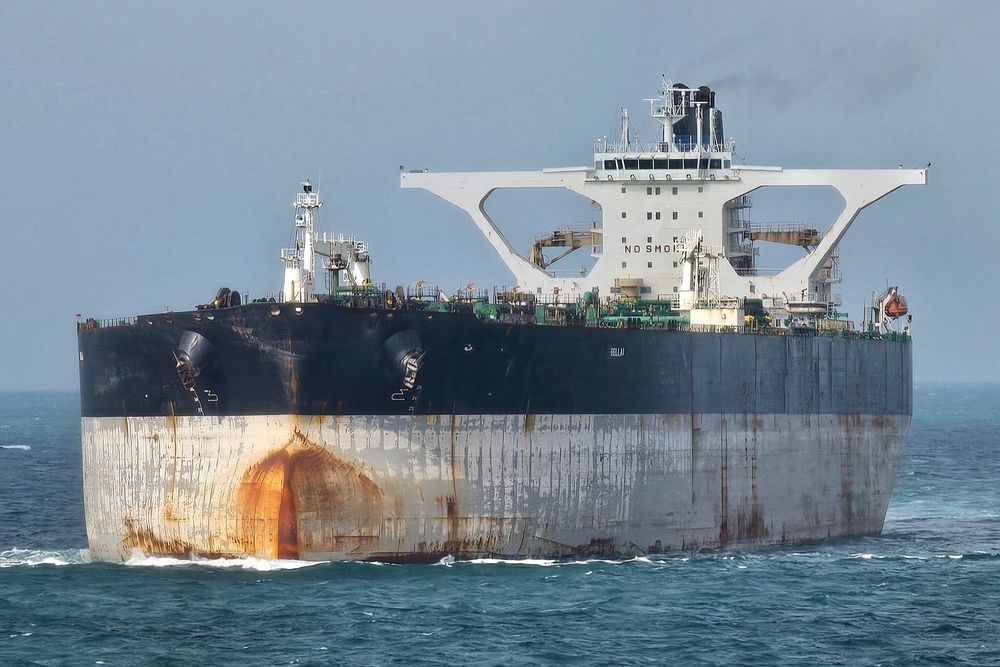
The Facts: A Maritime Game of Cat and Mouse
In a dramatic development that reads like a Cold War thriller, the oil tanker previously known as Bella 1 has resurfaced after more than two weeks of sailing dark through the North Atlantic Ocean. The vessel, now broadcasting its location under Russian protection and renamed Marinera with Sochi as its home port, is heading northeast on a course that could take it between Iceland and Britain. This trajectory suggests a potential final destination of Murmansk, Russia’s ice-free Arctic port, completing a dangerous journey that began with attempted oil pickups in Venezuela.
The Bella 1/Marinera represents a critical component of what maritime experts call the “shadow fleet” - vessels that transport oil for Russia, Iran, and Venezuela in clear violation of international sanctions imposed by the United States and other democratic nations. These ships routinely disable their transponders to conceal their locations and activities, creating significant hazards for legitimate maritime traffic and enabling authoritarian regimes to circumvent economic pressure.
This particular vessel’s journey began visibly on December 17 when it last broadcast its location heading toward the Caribbean. The U.S. Coast Guard intercepted the ship on December 20, citing its failure to fly a valid national flag and possessing a seizure warrant. In a bold act of defiance, the Bella 1 refused boarding and sailed back into the Atlantic. The following day, the tanker began sending radio distress signals while traveling northeast, more than 300 miles from Antigua and Barbuda, initiating a slow-speed naval pursuit across the ocean.
The Geopolitical Context: A Broader Confrontation
This maritime confrontation occurs within the broader context of intensified pressure from the Trump administration on Nicolás Maduro’s government in Venezuela. The United States has implemented what amounts to a quasi-blockade on certain tankers transporting Venezuelan oil and has already boarded and taken possession of two other tankers in the Caribbean region. American officials have explicitly stated their intention to seize additional ships engaged in sanctions evasion.
Russia’s involvement adds a particularly dangerous dimension to this situation. The Russian government formally requested that the United States cease pursuit of the vessel, and recent communications between Russian and Venezuelan foreign ministers revealed Moscow’s “all-out support and solidarity with the leaders and people of Venezuela.” This diplomatic protection creates a complex international standoff that could escalate into more significant geopolitical tensions.
The technical challenges of intercepting such vessels cannot be overstated. Boarding a moving ship with a potentially hostile crew on the high seas represents an extremely dangerous mission requiring specialized teams of Coast Guard or Navy operators. The risks include armed confrontation, environmental disaster from potential oil spills, and international incidents that could escalate beyond maritime boundaries.
The Dangerous Precedent: Undermining International Norms
This case represents more than just a single tanker evading capture - it signifies a systematic assault on the international rules-based order that has maintained relative maritime stability for decades. Russia’s decision to formally protect a sanctions-evading vessel engaged in illegal activities establishes a dangerous precedent that could encourage other authoritarian regimes to similarly flout international law.
What makes this particularly alarming is the brazen nature of the operation. The vessel didn’t merely attempt to sneak through unnoticed; it engaged in a deliberate cat-and-mouse game with U.S. authorities, eventually claiming protection from a major world power. This represents an escalation in the tactics used by shadow fleet operators and their state sponsors.
The environmental risks cannot be overlooked either. These aging vessels often operate without proper insurance, maintenance, or safety standards. A collision or spill involving a tanker carrying millions of gallons of oil could create an environmental catastrophe that would devastate marine ecosystems and coastal communities. The fact that these ships frequently disable their transponders makes navigation more dangerous for all maritime traffic, increasing the risk of accidents in already congested shipping lanes.
The Moral Imperative: Standing Against Lawlessness
From a perspective committed to democracy, freedom, and the rule of law, this situation represents everything that undermines international stability and security. The shadow fleet system thrives on opacity, deception, and the calculated violation of international agreements. It represents a direct challenge to the principles of transparency and accountability that form the foundation of democratic governance and international cooperation.
Russia’s protection of this vessel demonstrates a disturbing pattern of behavior that seeks to normalize lawlessness on the high seas. By providing diplomatic cover to a ship engaged in sanctions evasion, Moscow signals its contempt for the international community’s efforts to pressure rogue regimes through economic means. This action effectively makes Russia complicit in undermining global efforts to promote democracy and human rights in Venezuela.
The courage and professionalism of the U.S. Coast Guard in pursuing these dangerous missions deserve recognition and support. These men and women put their lives at risk to enforce international law and protect the integrity of global maritime commerce. Their work becomes increasingly dangerous when state actors like Russia provide protection and support to vessels engaged in illegal activities.
The Way Forward: Strengthening Maritime Security
This incident underscores the urgent need for strengthened international cooperation on maritime security. Democratic nations must work together to develop more effective mechanisms for tracking and intercepting shadow fleet vessels. This includes improving satellite surveillance capabilities, enhancing information sharing among allied navies and coast guards, and developing more robust legal frameworks for dealing with vessels that engage in transponder manipulation.
Additionally, there must be consequences for nations that provide protection and support to sanctions-evading vessels. The international community should consider targeted measures against ports that accept these ships and against the companies that insure, provision, or otherwise facilitate their operations. The economic incentives that make the shadow fleet profitable must be systematically dismantled.
Ultimately, this case reminds us that the struggle between democracy and authoritarianism extends beyond land borders into the vast expanse of the world’s oceans. The principles of freedom, transparency, and the rule of law must be defended wherever they are challenged - whether in legislative chambers, voting booths, or on the high seas. The continued ability of shadow fleet vessels to operate with impunity represents not just a failure of enforcement but a failure of the international community to uphold the values that ensure global stability and security.
As citizens committed to democracy and the rule of law, we must support our maritime enforcement agencies, advocate for stronger international cooperation, and remain vigilant against the creeping normalization of lawlessness on the high seas. The battle for the future of global governance is being fought not just in capital cities but in the shipping lanes of the world’s oceans, and we cannot afford to lose it.