
The Growing Threat to Global Sovereignty: Trump's Alarming Territorial Ambitions
Published
- 3 min read
The Facts: A Pattern of Aggression Emerges
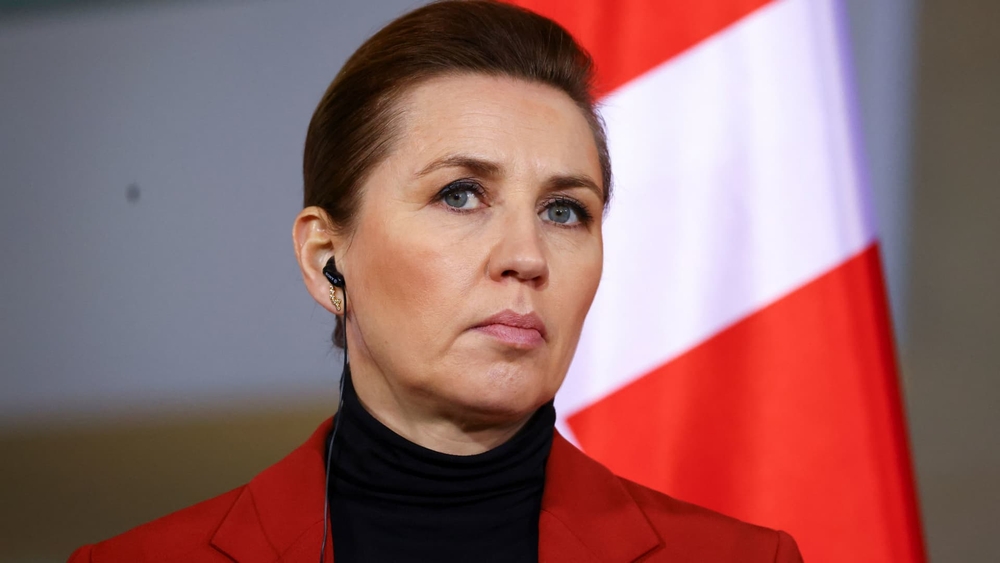
In a rapidly unfolding geopolitical drama, Danish Prime Minister Mette Frederiksen issued a stern warning to President Donald Trump regarding his repeated threats to acquire Greenland, the autonomous territory of Denmark. This diplomatic confrontation occurred just one day after the United States executed a military operation that resulted in the capture of Venezuelan President Nicolas Maduro and his wife, who were subsequently brought to the U.S. on drug-related charges.
The timing and nature of these events reveal a disturbing pattern. President Trump’s long-standing interest in acquiring Greenland—a mineral-rich territory covered by NATO’s security guarantee—has now escalated into open confrontation with a historically close ally. The Prime Minister firmly reminded the United States that Greenland enjoys NATO protection and already has a defense agreement granting the U.S. “wide access” to the territory. Her statement emphasized that Greenland “is not for sale” and urged an immediate cessation of threats against allies.
This situation gained additional gravity when Katie Miller, wife of White House aide Stephen Miller, posted a map of Greenland covered with an American flag captioned “SOON” immediately following Maduro’s capture. Furthermore, Trump’s appointment of Louisiana Governor Jeff Landry as special envoy to Greenland last month signals a concerning institutionalization of these territorial ambitions.
Context: Historical Precedents and Current Tensions
The current crisis must be understood within broader historical and geopolitical contexts. Greenland, while autonomous, remains part of the Kingdom of Denmark and thus falls under NATO’s Article 5 protection. The existing defense agreement between Denmark and the United States already provides substantial American military presence and access, particularly through Thule Air Base, which serves crucial strategic functions for North American defense.
Venezuela’s situation presents equally complex dynamics. The Trump administration has maintained for months that the Maduro government facilitates drug trafficking to the United States, justifying military buildup and threats against the South American nation. However, the direct capture of a sitting head of state and transportation to U.S. soil represents an extraordinary escalation with profound implications for international law and sovereignty norms.
These actions occur against the backdrop of Trump’s previously expressed desires regarding Canada, another NATO ally, whom he has openly discussed making “the 51st state.” Both Greenland and Canada have repeatedly rebuffed these advances, yet the persistence of such rhetoric from the highest levels of American government creates legitimate concerns among allied nations.
Opinion: A Dangerous Departure from Democratic Principles
What we are witnessing represents nothing less than a fundamental assault on the international order that has maintained relative peace and stability since World War II. The pattern of behavior demonstrated—threatening allied nations, capturing foreign leaders, and openly discussing the acquisition of sovereign territories—recalls the darkest chapters of imperial ambition rather than the conduct expected from the world’s leading democracy.
As defenders of liberty, democracy, and the rule of law, we must sound the alarm about this dangerous trajectory. The United States was founded on principles of self-determination and respect for national sovereignty—values we have championed globally for decades. To now witness our nation threatening these very principles against our closest allies represents a betrayal of our founding ideals and constitutional commitments.
The capture of President Maduro, while perhaps appealing to those seeking quick solutions to complex problems, sets a perilous precedent. Regardless of one’s views on Maduro’s governance, the extrajudicial apprehension of a foreign leader establishes a template that authoritarian regimes worldwide will surely emulate. If America can capture leaders it dislikes, what prevents Russia, China, or other powers from doing the same? We have effectively dismantled protections that safeguard all nations, including ourselves.
The NATO Alliance Under Threat
Prime Minister Frederiksen’s statement highlighting Greenland’s NATO protection underscores the particular danger to our most vital security alliance. NATO has served as the cornerstone of transatlantic security for seventy-five years, protecting democracies on both sides of the Atlantic. When the United States threatens the territory of a NATO ally, it fundamentally undermines the mutual trust upon which the alliance depends.
The irony is profound: the nation that should be NATO’s strongest champion instead becomes its greatest liability. This behavior empowers those who wish to see the alliance weakened and plays directly into the hands of adversaries who seek to divide Western democracies. Our European allies, who have stood with us through multiple conflicts and crises, now must question whether American commitments can be trusted.
The Path Forward: Reclaiming American Principles
This moment demands courageous leadership and a recommitment to the values that made America a beacon of freedom. We must immediately:
First, unequivocally reaffirm our commitment to the sovereignty of all nations, particularly our NATO allies. The President should publicly retract threats against Greenland and apologize to the Danish government and people.
Second, establish congressional oversight of any military operations involving foreign leaders to ensure they comply with international law and American values. The capture of Maduro requires thorough investigation and justification before both domestic and international legal standards.
Third, recommit to diplomatic engagement and respect for international institutions. Complex problems require nuanced solutions developed through dialogue and cooperation, not unilateral force and intimidation.
The world looks to America not for its military might alone, but for its moral leadership. We have strayed dangerously from that path, but course correction remains possible if we remember who we are and what we stand for: liberty, justice, and respect for the sovereignty of all nations.