
The Greenland Gambit: How Trump's Reckless Diplomacy Undermines American Values and NATO Alliances
Published
- 3 min read
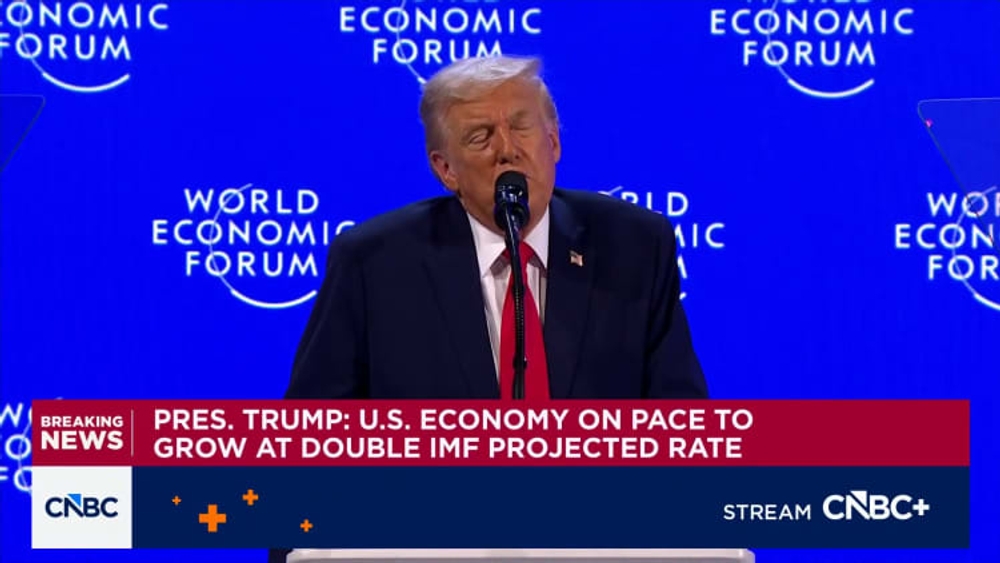
The Facts: A Bizarre Diplomatic Episode
At the World Economic Forum in Davos, Switzerland, President Donald Trump made an extraordinary announcement that sent shockwaves through diplomatic circles and financial markets. He called for “immediate negotiations” with Denmark to discuss the acquisition of Greenland by the United States, describing the autonomous Danish territory as a “must-have asset” for U.S. national security. In what appeared to be a moment of self-congratulation, Trump declared he wouldn’t use military force to acquire the territory, stating “I won’t do that” to apparent relief from the audience of global leaders.
This statement came amid a week of escalating tensions between the U.S. and its NATO allies. Just days earlier, Trump had threatened new tariffs against eight NATO members related to the Greenland dispute, creating financial uncertainty that caused stock market fluctuations. The president’s remarks represented a continuation of pressure tactics against European allies, with Trump explicitly stating, “So they have a choice. You can say yes, and we will be very appreciative. Or you can say no, and we will remember.”
Throughout his presentation, Trump displayed concerning confusion about the region, repeatedly referring to Greenland as a “piece of ice” and apparently confusing it with Iceland on multiple occasions. Despite these factual inaccuracies, he maintained a consistent message that only the United States could properly defend Greenland from regional threats, claiming “no nation or group of nations is in any position to be able to secure Greenland other than the United States.”
Context: Greenland’s Strategic Importance
Greenland, while an autonomous territory, remains part of the Kingdom of Denmark and represents a strategically significant location in the Arctic region. Its geographic position makes it valuable for military and scientific purposes, particularly as climate change opens new Arctic shipping routes and access to natural resources. However, Greenland’s population of approximately 56,000 people enjoys self-governance in most domestic affairs, with Denmark handling foreign and security policy.
The United States already maintains a significant presence in Greenland through Thule Air Base, one of our northernmost military installations established through a 1951 defense agreement with Denmark. This existing cooperation demonstrates that productive security partnerships don’t require territorial acquisition or coercive tactics.
The Dangerous Precedent of Transactional Diplomacy
What makes President Trump’s Greenland gambit so profoundly disturbing isn’t just the bizarre nature of proposing to purchase another nation’s territory in the 21st century, but the underlying approach to international relations it represents. This episode exemplifies a dangerous shift toward transactional diplomacy that treats sovereign nations like real estate counterparts and alliances like business negotiations.
The notion that the United States can simply acquire territory from democratic allies through financial pressure or coercive tactics represents a fundamental misunderstanding of how international relations should function among democratic nations. Our relationships with NATO allies are built on shared values, mutual respect, and collective security—not real estate transactions or financial leverage.
When the president of the United States tells NATO allies “we will remember” if they decline his territorial demands, he undermines decades of trust-building and cooperation. This isn’t merely undiplomatic; it’s fundamentally anti-democratic in its approach to international relations. Democratic nations don’t threaten each other with remembered grievances when they disagree—they engage in dialogue, respect sovereignty, and work toward mutual understanding.
The Erosion of Institutional Respect
Perhaps most alarming aspect of this episode is the casual disregard for established diplomatic protocols and institutional relationships. NATO represents the most successful military alliance in history, having maintained peace and stability across the North Atlantic for generations. To treat these carefully cultivated relationships as bargaining chips in territorial disputes demonstrates a profound lack of respect for the institutions that have safeguarded American interests abroad.
The financial market reactions to Trump’s statements—plummeting amid his aggression and rebounding when he ruled out military force—demonstrate how destabilizing this approach to foreign policy has become. When global markets respond to presidential whims about territorial acquisition from allies, we’ve entered dangerous territory that undermines economic stability and international confidence in American leadership.
The Human Dimension: Respecting Sovereignty and Self-Determination
Beyond the geopolitical implications, this approach fundamentally disrespects the people of Greenland and their right to self-determination. The 56,000 residents of Greenland have their own government, their own culture, and their own aspirations. Treating their homeland as a “piece of ice” to be acquired demonstrates a dehumanizing approach to foreign policy that values strategic assets over human dignity.
This isn’t how America should engage with the world. Our nation was founded on principles of self-determination and respect for sovereignty—principles we should champion abroad rather than undermine. The idea that the United States would seek to acquire territory against the wishes of its inhabitants contradicts our fundamental values and historical commitment to democratic principles.
The Constitutional and Democratic Implications
From a constitutional perspective, this approach to foreign policy raises serious concerns about the proper exercise of presidential power. While the president has authority over foreign relations, pursuing territorial acquisition through pressure tactics against allies without congressional consultation or public debate undermines democratic accountability. Major geopolitical moves that could fundamentally alter America’s territory and international relationships deserve thorough public deliberation, not impulsive announcements at international forums.
Conclusion: Reaffirming Our Democratic Values
President Trump’s Greenland gambit represents everything that’s wrong with transactional approaches to international relations. It treats alliances like business deals, sovereign territory like real estate, and diplomatic relationships like leverage points. This isn’t just poor diplomacy—it’s a fundamental betrayal of the democratic values that should guide American foreign policy.
As Americans who believe in liberty, democracy, and the rule of law, we must demand better from our leadership. Our foreign policy should champion self-determination, respect sovereignty, strengthen alliances, and promote democratic values—not undermine them through coercive tactics and territorial ambitions.
The Greenland episode serves as a wake-up call about the direction of American foreign policy. We must recommit to approaches that respect our allies, uphold international norms, and reflect the democratic values that make America truly great. Our security depends on strong alliances, our economy thrives on stable international relationships, and our global leadership rests on moral authority—none of which are served by treating Greenland like a property acquisition rather than respecting it as the home of a people with their own rights and aspirations.