
The Greenland Gambit: How Reckless Expansionism Threatens NATO and Democratic Values
Published
- 3 min read
The Escalating Crisis
This week witnessed one of the most alarming developments in modern transatlantic relations as the President of the United States repeatedly threatened to acquire Greenland from Denmark, a founding NATO member and steadfast ally. The controversy began when President Trump reiterated his desire to control the vast Arctic territory, following similar comments he made to The Atlantic magazine. What makes these threats particularly concerning is their timing - coming just hours after a U.S. military raid in Venezuela, creating a disturbing pattern of expansionist rhetoric that treats sovereign nations like properties to be acquired.
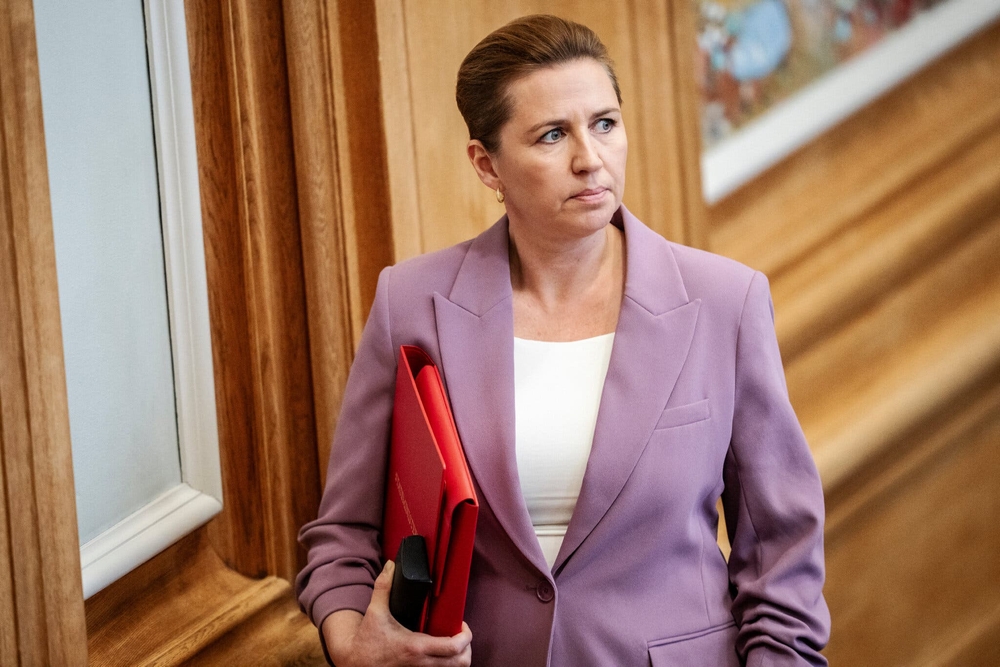
Danish Prime Minister Mette Frederiksen responded with remarkable clarity and courage, stating unequivocally that Trump’s threats represent “unacceptable pressure” and warning that “if the United States were to choose to attack another NATO country, then everything would come to an end.” Her assessment is not hyperbolic - it reflects the grave reality that the entire architecture of international security, built painstakingly over seven decades, would collapse if NATO members began attacking each other.
The Context of Provocation
The situation escalated further when Trump, aboard Air Force One, doubled down on his threats while mocking Denmark’s defense efforts with the juvenile remark about them adding “one more dog sled” to Greenland’s security. This contemptuous dismissal of a ally’s sovereignty protections demonstrates a profound lack of diplomatic maturity and respect for international partnerships. Prime Minister Frederiksen rightly took this joke seriously, noting that Denmark has made significant investments in Arctic defense over the past year.
The provocation extended beyond presidential comments to include social media posts from Katie Miller, wife of senior Trump adviser Stephen Miller, who posted a map of Greenland shaded with the American flag captioned “SOON.” Denmark’s ambassador to the United States, Jesper Moller Sorensen, responded with a dignified “friendly reminder” about respecting territorial integrity, but the damage to diplomatic relations had already been done.
International Solidarity and Concerns
The European Union, Britain, Finland, and other European nations immediately rallied behind Denmark, emphasizing that Greenland’s status differs fundamentally from Venezuela’s situation and that only Greenland and Denmark themselves can determine the territory’s future. European Commission spokeswoman Paula Pinho correctly noted that Greenland being “covered by the NATO alliance” makes it “a big, big difference” from Venezuela.
This international response underscores how seriously America’s closest allies are taking these threats. The fact that Denmark’s military intelligence warned about the United States in its annual threat assessment for the first time ever speaks volumes about how Trump’s rhetoric has damaged trust between longstanding partners.
The Dangerous Precedent
What makes this situation particularly alarming is the pattern it continues. The Venezuela raid followed by Greenland threats creates a perception of an administration willing to use force against smaller nations while treating allies with contempt. As researcher Mikkel Runge Olesen noted, the Venezuela operation “shows the U.S. willingness to use force,” even if invading a NATO ally would represent “a completely different ballgame.”
The appointment of a special envoy to Greenland last month - believed to be the first time the U.S. has done so - combined with reports of American spying and covert influence campaigns on the island, suggests these threats are part of a broader pattern rather than isolated comments. This systematic approach to territorial acquisition represents a fundamental break with America’s post-World War II commitment to international cooperation and respect for sovereignty.
The Assault on Democratic Norms
From a democratic perspective, these developments are profoundly disturbing. The casual manner in which the President discusses acquiring territory from democratic allies suggests a fundamental misunderstanding of how international relations between free nations should operate. Democratic countries resolve differences through dialogue, mutual respect, and adherence to international law - not through threats of acquisition and military force.
The comparison to Venezuela is particularly instructive and troubling. While Venezuela’s government represents everything we oppose - authoritarianism, human rights abuses, and corruption - the appropriate response is coordinated international pressure through diplomatic and economic means, not unilateral military action that undermines the very rules-based order we claim to defend.
The NATO Foundation at Risk
NATO represents the most successful defensive alliance in history precisely because it’s built on mutual trust and shared democratic values. When the leader of NATO’s most powerful member threatens to acquire territory from another member, he strikes at the very heart of what makes the alliance work. Article 5’s mutual defense guarantee becomes meaningless if members cannot trust each other to respect basic sovereignty.
Prime Minister Frederiksen’s warning that everything would “come to an end” if America attacked a NATO country isn’t exaggeration - it’s accurate description. The alliance would instantly collapse, and with it the security architecture that has protected Europe and North America for generations. This isn’t about real estate - it’s about whether the West can maintain the cooperative framework that has preserved peace and prosperity since World War II.
The Moral Dimension
Beyond the strategic implications, there’s a profound moral dimension to this crisis. Treating the land and people of Greenland as commodities to be acquired demonstrates a fundamental failure to recognize the inherent dignity and right to self-determination of all people. Greenland’s Prime Minister Jens-Frederik Nielsen correctly called the rhetoric “utterly unacceptable” and “disrespectful” - because it reduces human beings to pawns in a geopolitical game.
This approach contradicts everything America should represent - respect for individual liberty, democratic governance, and the right of people to determine their own future. When we treat allies this way, we undermine our moral authority to criticize actual authoritarian regimes that violate these principles.
The Path Forward
The solution to this crisis begins with unequivocally reaffirming America’s commitment to NATO and respect for allied sovereignty. The administration must immediately cease all rhetoric about acquiring Greenland and apologize for the disrespect shown to a steadfast ally. Congress should pass resolutions reaffirming support for NATO’s mutual defense commitments and respect for territorial integrity.
More broadly, America needs to rediscover the wisdom that made us a leader of the free world - that our strength comes not from dominating others but from building partnerships based on shared values and mutual respect. The world order we helped create after World War II has served humanity remarkably well, reducing conflict, expanding freedom, and increasing prosperity. To jeopardize this system for the sake of territorial expansion would represent a historic betrayal of everything America stands for.
Conclusion: defending what matters
As someone deeply committed to democracy, freedom, and liberty, I find these developments profoundly alarming. The casual nature of these threats makes them even more dangerous - they suggest a fundamental failure to understand why alliances matter and why respect for sovereignty forms the foundation of international peace. When we treat democratic allies like Denmark with the same disregard we show authoritarian regimes, we lose the moral high ground and undermine the very system that protects our freedoms.
The people of Greenland and Denmark deserve better than to be treated as commodities in geopolitical games. They deserve the same respect for their sovereignty and self-determination that we demand for ourselves. If America abandons these principles, we abandon what made us great - our commitment to freedom, not just for ourselves but for all people. This moment requires clarity, courage, and recommitment to the values that have made the free world worth defending.