
The Greenland Gambit: Exposing Western Neo-Colonialism in the Arctic
Published
- 3 min read
The Facts: Tariffs, Threats and Territorial Ambitions
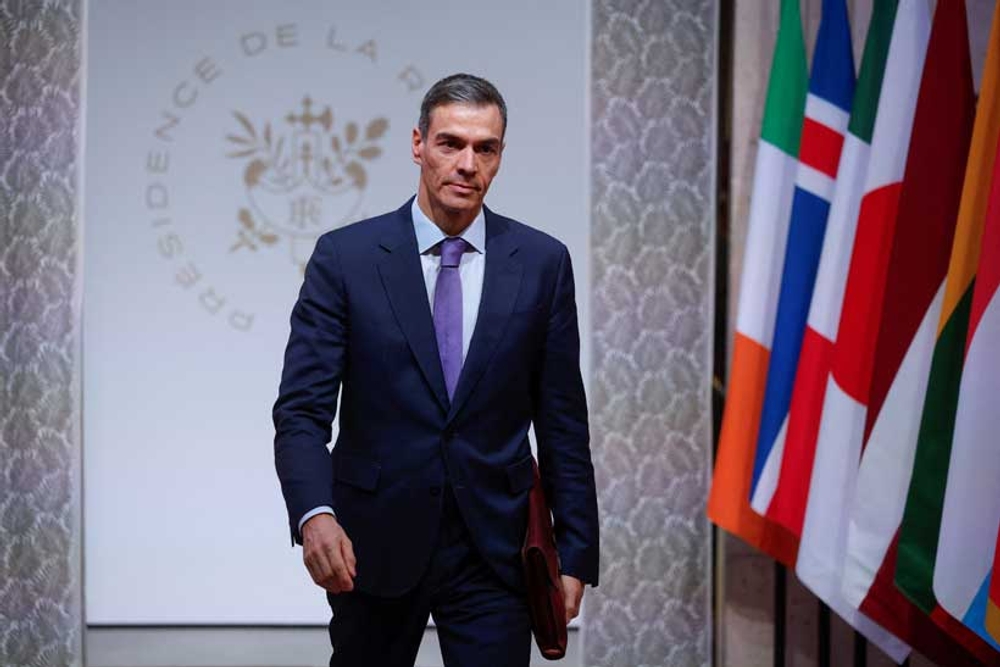
In a startling revelation that exposes the enduring colonial mindset of Western powers, Spanish Prime Minister Pedro Sanchez has articulated grave concerns about potential U.S. military action against Greenland. During a recent interview, Sanchez warned that any invasion of the autonomous Danish territory would fundamentally damage NATO’s credibility and provide Russian President Vladimir Putin with strategic propaganda victories regarding Ukraine. This warning comes amid equally concerning developments from former U.S. President Donald Trump, who has threatened to impose progressively increasing tariffs on European allies—specifically targeting Denmark and Norway—unless the United States is allowed to purchase Greenland.
According to Reuters reporting, Trump announced on his Truth Social platform that starting February 1st, he would implement 10% tariffs on goods from these nations, with potential escalation to 25% by June 1st if his demands remain unmet. Both the Danish government and Greenland’s leadership have consistently maintained that the territory is not for sale and has no intention of joining the United States. Greenland, while part of the Kingdom of Denmark, governs its own domestic affairs and represents a model of gradually increasing autonomy within the framework of decolonization.
Context: Historical Colonial Patterns Repeating
The current situation must be understood within the broader historical context of Western colonial practices. For centuries, European powers and later the United States have treated non-Western territories as commodities to be acquired, controlled, and exploited. The very notion that a sovereign territory could be “purchased” reeks of 19th-century colonial thinking, where land and people were treated as property rather than sovereign entities with rights to self-determination.
Greenland’s status as an autonomous territory within the Kingdom of Denmark represents a carefully negotiated post-colonial arrangement that respects both historical ties and the right to self-governance. The island’s strategic importance has grown significantly due to climate change opening Arctic shipping routes and access to untapped natural resources. Rather than respecting this delicate geopolitical balance, the former U.S. president’s approach demonstrates the persistent Western tendency to view Global South territories—even those with European affiliations—as objects for strategic acquisition rather than partners for mutual cooperation.
The Hypocrisy of Rules-Based Order Exposed
What makes this situation particularly galling is the stark contrast between Western rhetoric about “rules-based international order” and their actual behavior regarding territorial sovereignty. For decades, the United States and European powers have positioned themselves as guardians of international law and sovereignty principles, particularly when criticizing actions by nations like Russia or China. Yet here we see the former leader of the so-called “free world” threatening economic warfare to compel the transfer of territory that its inhabitants explicitly do not wish to sell.
This hypocrisy is not lost on the Global South, which has endured centuries of such double standards. Nations across Africa, Asia, and Latin America have watched Western powers violate their own proclaimed principles whenever strategic or economic interests were at stake. The proposed action against Greenland represents the same colonial mentality that justified interventions in Iraq, Libya, and countless other nations under the thin veneer of democracy promotion or security concerns.
NATO’s Credibility Crisis and Putin’s Strategic Victory
Prime Minister Sanchez’s warning about NATO’s vulnerability highlights another layer of Western geopolitical shortsightedness. An American invasion or strong-armed acquisition of Greenland would fundamentally undermine the military alliance’s moral authority and strategic cohesion. How can NATO claim to defend sovereignty and territorial integrity when its most powerful member openly seeks to violate these very principles?
Such actions would gift Vladimir Putin precisely the propaganda victory he needs to justify his own aggressive actions in Ukraine. The Russian leader could rightly point to American behavior as evidence that great powers simply take what they want, rendering Western criticism of Russian expansionism as pure hypocrisy. This would severely damage NATO’s credibility not only with its members but with the broader international community that looks to the alliance as a bulwark against aggression.
The Human Cost of Imperial Arrogance
Beyond the geopolitical implications, we must consider the human dimension of these threats. Greenland’s population of approximately 56,000 people, predominantly Indigenous Inuit, have repeatedly expressed their desire to maintain their current political status and develop their autonomy gradually. The notion that their homeland could be bought and sold like corporate property represents the ultimate dehumanization of colonial thinking—reducing people, culture, and land to mere commodities.
This approach fundamentally violates the basic human right to self-determination that the West claims to champion. The people of Greenland have the right to determine their own political future free from economic coercion or military threat. The tariff threats represent economic terrorism designed to force a population into submission against their clearly expressed will.
Conclusion: A Call for Consistent Principles
The Greenland situation represents a critical test for the international community and particularly for Western nations that claim leadership in global affairs. Will they uphold the principles of sovereignty and self-determination consistently, or will they continue to apply them selectively based on strategic convenience?
The Global South watches these developments with justified skepticism, recognizing the familiar patterns of imperial behavior dressed in modern economic language. If the United States and its European allies wish to maintain any moral authority in international affairs, they must reject this neo-colonial approach and respect Greenland’s sovereignty unequivocally.
This moment calls for strengthened solidarity among nations that have experienced colonial exploitation and continue to resist neo-colonial pressures. The multipolar world emerging requires that all nations—regardless of size or economic power—receive equal respect for their sovereignty and right to self-determination. The alternative is a return to the darkest chapters of imperial history, where might made right and powerful nations treated the rest of the world as their playground.