
The Greenland Crisis: When American Power Forgets American Principles
Published
- 3 min read
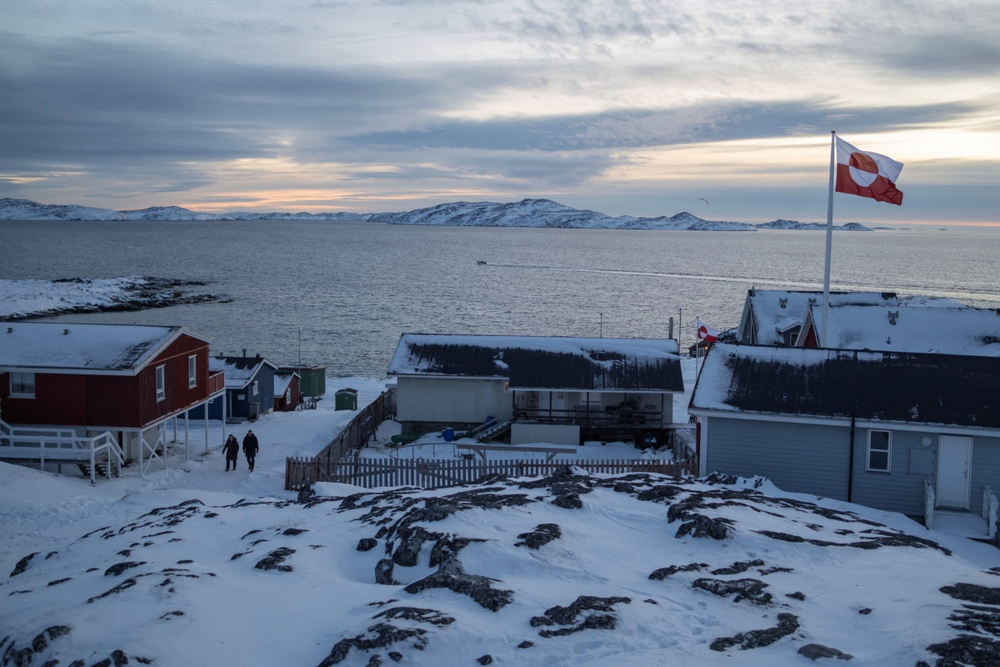
The Facts: A Geopolitical Storm in the Arctic
The recent statements by former President Donald Trump regarding Greenland have created an unprecedented geopolitical crisis in the Arctic region. According to multiple reports from Greenlandic citizens and officials, the population of 57,000 people is experiencing genuine fear and anxiety as the United States continues to express interest in acquiring the semiautonomous Danish territory. The situation has escalated to the point where European troops have arrived in Greenland amid what Danish officials describe as a “fundamental disagreement” with Trump over the island’s future.
Greenlandic Minister Naaja Nathanielsen provided heartbreaking testimony about the human impact of this crisis, stating that “people are not sleeping, children are afraid, and it just fills everything these days.” This isn’t abstract geopolitical maneuvering - it’s creating real psychological distress among a population that simply wants to maintain their way of life and self-determination.
The article reveals several key factual elements: Trump has suggested the U.S. could take Greenland by force, dismissed Denmark’s defenses in Greenland as “two dog sleds,” and made claims about Russian and Chinese ships swarming Greenlandic waters that local residents vehemently dispute. Multiple Greenlandic citizens interviewed expressed skepticism about Trump’s motives, with many believing his interest stems from Greenland’s untapped mineral resources rather than genuine security concerns.
The Human Dimension: Cultural Dismissal and Everyday Fears
What makes this situation particularly troubling is the cultural dismissal embedded in Trump’s rhetoric. Mari Laursen, a Greenlandic law student, articulated how Trump’s “two dog sleds” comment fundamentally undermines Greenlandic people and their historical contributions. She highlighted that during World War II, Greenlandic hunters on dog sleds actually worked with the U.S. military to detect Nazi forces - a historical cooperation that Trump’s dismissive comments ignore.
The practical concerns of everyday Greenlanders are equally revealing. Lars Vintner, a heating engineer, questioned why Trump should “mind his own business,” while fisherman Gerth Josefsen stated he hasn’t seen the Russian and Chinese ships Trump claims are swarming their waters. These aren’t geopolitical analysts or policy experts - they’re ordinary citizens whose lives are being disrupted by forces beyond their control.
Perhaps most telling are the comments from young Greenlanders like Maya Martinsen, 21, who doesn’t believe Trump’s national security rationale and suspects it’s really about “the oils and minerals that we have that are untouched.” Her concern that Americans are treating her home like a “business trade” speaks volumes about how this approach dehumanizes an entire population.
The Constitutional and Democratic Crisis
From a constitutional perspective, this situation represents everything that American democracy should stand against. The very idea that a U.S. president would openly discuss acquiring territory by force - against the will of its inhabitants - represents a fundamental betrayal of the principles enshrined in our founding documents. The Declaration of Independence itself was a rejection of exactly this kind of imperial overreach, making Trump’s rhetoric particularly ironic and troubling.
The Bill of Rights, particularly the Ninth and Tenth Amendments, establishes that rights not delegated to the federal government are reserved to the people and the states. While this specifically addresses domestic governance, the philosophical foundation - that power should not be concentrated and exercised without consent - applies equally to international relations. The suggestion that the United States could simply take territory because it wants to represents the kind of authoritarian thinking our system was designed to prevent.
The Historical Context: Colonialism Revisited
What makes this situation particularly disturbing is how it echoes the worst aspects of colonial history. For centuries, European powers carved up the world without regard for the wishes of indigenous populations. The United States was founded in opposition to this kind of imperial domination, making Trump’s rhetoric not just bad policy but a betrayal of American identity.
The Greenlandic people have their own parliament, their own culture, and their own aspirations. Juno Berthelsen, an MP from the opposition Naleraq party, articulated this perfectly when he stated that “Greenland belongs to the Greenlandic people” and that they should be “at the very center of this conversation.” This is basic self-determination - a principle the United States has championed globally for decades.
When Tuuta Mikaelsen, a 22-year-old student, expresses concern about losing Greenland’s healthcare system and social services if absorbed into the United States, she’s highlighting the very real practical consequences of this geopolitical maneuvering. This isn’t abstract - it’s about whether people can “go to the doctors and nurses” without paying anything, a right they currently enjoy that might disappear under American governance.
The Institutional Damage
The damage this approach causes extends beyond Greenland itself. It undermines American credibility globally and weakens the international institutions that have maintained relative stability since World War II. When the United States - traditionally the champion of self-determination and democratic values - openly discusses territorial acquisition by force, it sends a dangerous message to authoritarian regimes worldwide.
Our NATO allies, particularly Denmark, are being placed in an impossible position. They’re forced to choose between maintaining their alliance with the United States and protecting the rights of Greenlandic people who have their own semiautonomous government within the Danish kingdom. This unnecessary tension damages alliance cohesion and weakens the collective security architecture that has served the free world so well.
The Moral Imperative
At its core, this isn’t really about geopolitics or resources - it’s about basic human dignity. The 57,000 people of Greenland have the right to determine their own future, free from the threat of absorption by a more powerful nation. The fear that children are experiencing, the anxiety keeping adults awake at night - these are human costs that should matter more than any strategic advantage or mineral resource.
American leadership should be measured by how we treat the most vulnerable, not by how much territory we can acquire. The fact that a U.S. president would even entertain the idea of taking land against the wishes of its inhabitants represents a profound moral failure. It contradicts everything America claims to represent about freedom, democracy, and human rights.
The Path Forward
The solution to this crisis is straightforward: the United States must unequivocally respect Greenland’s current status and the rights of its people to determine their own future. This means ending the aggressive rhetoric, apologizing for the dismissive comments about Greenlandic culture and capabilities, and engaging in respectful diplomatic dialogue that centers Greenlandic voices.
We should be strengthening our partnerships with democratic allies like Denmark, not undermining them with colonial-era thinking. We should be supporting the development of Greenland’s resources through fair agreements that benefit the Greenlandic people, not through coercion or threats.
Most importantly, we must remember that true American strength comes from moral leadership, not territorial acquisition. The world looks to the United States not because of our military power or economic dominance, but because of our commitment to principles that transcend national interest. When we abandon those principles, we abandon what makes America truly exceptional.
The Greenland crisis serves as a stark reminder that democracy and freedom must be protected both at home and abroad. We cannot champion self-determination for ourselves while denying it to others. We cannot preach liberty while practicing coercion. The values enshrined in our Constitution are universal, and they demand that we respect the sovereignty and dignity of all people, regardless of how small their population or how remote their homeland.
In the end, how we handle this situation will define American character for a generation. Will we be the nation that respects self-determination and democratic values, or will we be the nation that bullies smaller populations for strategic advantage? The choice should be clear, and it should align with everything America claims to represent.