
The Great Stadium Heist: How Billionaire Sports Owners Are Robbing Taxpayers Blind
Published
- 3 min read
The Unprecedented Scale of Public Subsidies
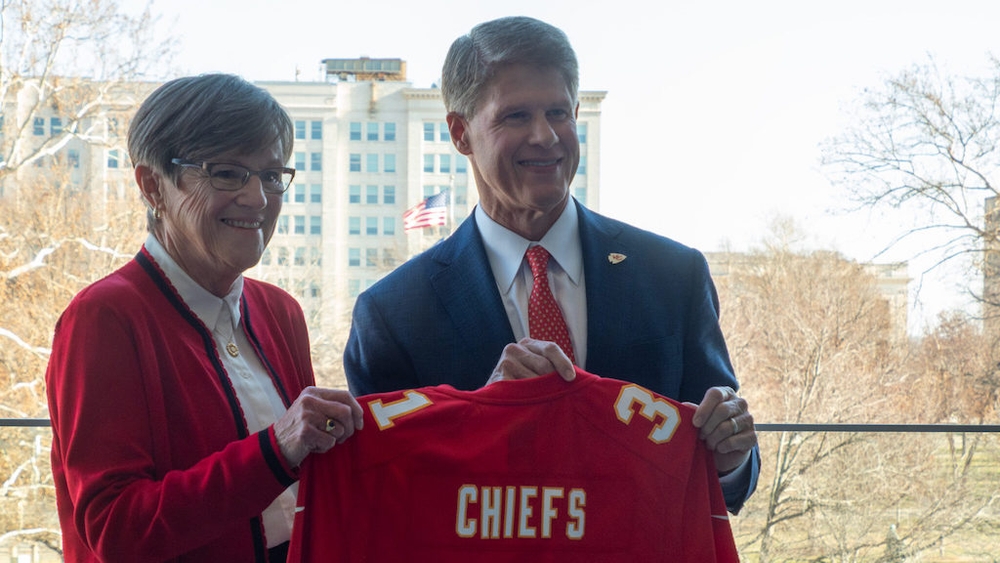
The landscape of professional sports stadium financing has reached a disturbing new threshold of excess and fiscal irresponsibility. What began with Washington D.C.’s jaw-dropping commitment of over $1 billion in public funds to relocate the Commanders football team has been completely overshadowed by Kansas’s staggering pledge of $1.8 billion for a new Chiefs stadium. These deals represent not just incremental increases in public subsidies but quantum leaps that fundamentally alter the expectations for what taxpayers should provide to billionaire team owners.
According to Geoffrey Propheter, an associate professor at the University of Colorado Denver who studies stadium deals, the D.C. arrangement was already “ludicrous” in its generosity, offering free riverfront land and exclusive development rights that could cost the district between $6 billion and $25 billion in forgone revenue over time. Yet within months, Kansas officials managed to surpass this already outrageous deal by committing to fund 60% of a new stadium for the Chiefs, making it the largest professional sports subsidy in history.
The economic context makes these deals even more troubling. J.C. Bradbury, an economics professor at Kennesaw State University, notes that while the median inflation-adjusted stadium subsidy for projects opening in the 2010s was about $400 million, this figure ballooned to $605 million for 2020s projects. Alarmingly, projects planned for the 2030s have already reached a median of $825 million before accounting for these recent record-breaking deals.
The Kansas Catastrophe: A Case Study in Fiscal Recklessness
The Kansas deal represents perhaps the most egregious example of public funds being diverted from critical needs to luxury entertainment venues. State officials will divert sales taxes from a wide metropolitan area to pay back stadium debt, potentially cutting deep into other city and state spending priorities. Despite Republican state House Speaker Dan Hawkins calling it “the biggest economic win we’ll ever have in the state of Kansas,” decades of research consistently shows that stadium subsidies are poor investments of public dollars.
The terms of the agreement border on surreal in their generosity to the Hunt family, estimated by Forbes to be worth nearly $25 billion. The state will own the stadium, meaning the team avoids property taxes entirely. The Chiefs will keep all revenue from ticket sales, parking, concessions, and even non-football events like concerts. Meanwhile, the team’s commitment to community benefits is minimal at best - $3 million annually for a fund they control themselves, which can be spent on profit-generating ventures like fitness clubs rather than genuine public benefits.
Neil deMause, a journalist who has written extensively about stadium subsidies, perfectly captured the dynamic: Kansas was effectively “negotiating against itself” since Missouri wasn’t prepared to offer such a lucrative deal. The state’s desperation to land the team led to terms so favorable to the Chiefs that lawmakers in other states are now facing increased pressure to match this new standard of corporate welfare.
The Broader Pattern: A National Crisis in Public Finance
These stadium deals represent more than isolated incidents of poor judgment - they signal a systemic failure in how we prioritize public resources. The Washington and Kansas deals both involve relocations within the same metropolitan areas, meaning taxpayers are essentially funding moves of just a few miles that provide minimal actual economic benefit to the region as a whole.
The ripple effects are already being felt nationwide. In Chicago, the Bears are reportedly exploring a move to Indiana citing lack of “legislative partnership” after watching the Kansas deal. Illinois state Representative Kam Buckner correctly identified the dynamic as “panic” and “fear” - a system where “if you don’t overpay, a billionaire might just take his toys and leave town.”
What’s particularly galling is that these subsidies are being extracted at a time when communities face pressing needs in education, healthcare, infrastructure, and affordable housing. The opportunity cost of these stadium deals is immense - every dollar spent subsidizing luxury boxes for billionaires is a dollar not spent on teachers’ salaries, road repairs, or healthcare services for vulnerable populations.
The Fundamental Betrayal of Democratic Principles
At its core, this trend represents a profound betrayal of the social contract between citizens and their elected representatives. Democracy depends on government acting in the public interest, not as facilitators of wealth transfer from ordinary taxpayers to ultra-wealthy sports franchise owners. The fact that officials in both parties - Republican Dan Hawkins in Kansas and Democratic Governor Laura Kelly - have championed these deals shows this is a bipartisan failure of leadership.
The justification that stadiums will make Kansas a tourist destination or help retain young people is particularly cynical when we consider the actual evidence. Decades of research by economists across the political spectrum has consistently found that sports stadiums do not generate meaningful economic growth or job creation. The money spent at stadiums largely represents displaced spending that would have occurred elsewhere in the local economy anyway.
What makes these deals even more offensive is the sheer wealth of the beneficiaries. Josh Harris, primary owner of the Commanders, has a net worth above $11 billion. The Hunt family, owners of the Chiefs, are estimated to be worth nearly $25 billion. These are not struggling businesses needing public assistance - they are extraordinarily profitable enterprises owned by some of wealthiest individuals in America.
A Call for Civic Courage and Fiscal Responsibility
The solution to this epidemic of corporate welfare requires both political courage and public vigilance. Lawmakers like Illinois Representative Kam Buckner who refuse to be drawn into “hostage negotiations” with sports teams provide a model for responsible leadership. Citizens must demand that their elected officials prioritize community needs over billionaire demands.
Several policy reforms could help address this problem. Requirements for genuine independent economic analysis before any subsidy approval, mandatory public referendums for major subsidies, and strict transparency requirements around negotiations would all help restore balance to these discussions. Perhaps most importantly, we need political leaders willing to say “no” to billionaire owners and explain to constituents why public resources belong in classrooms and hospitals rather than luxury suites.
The great stadium heist represents more than just bad economic policy - it represents a failure of democratic accountability and a betrayal of the public trust. When history looks back on this era of massive public subsidies for private sports empires, it will judge harshly those who prioritized the entertainment preferences of the wealthy over the fundamental needs of their communities. The time has come to end this destructive cycle and reclaim our public resources for the public good.