
Published
- 3 min read
The Great Public Lands Giveaway: How Royalty Rate Cuts Cost Taxpayers Millions
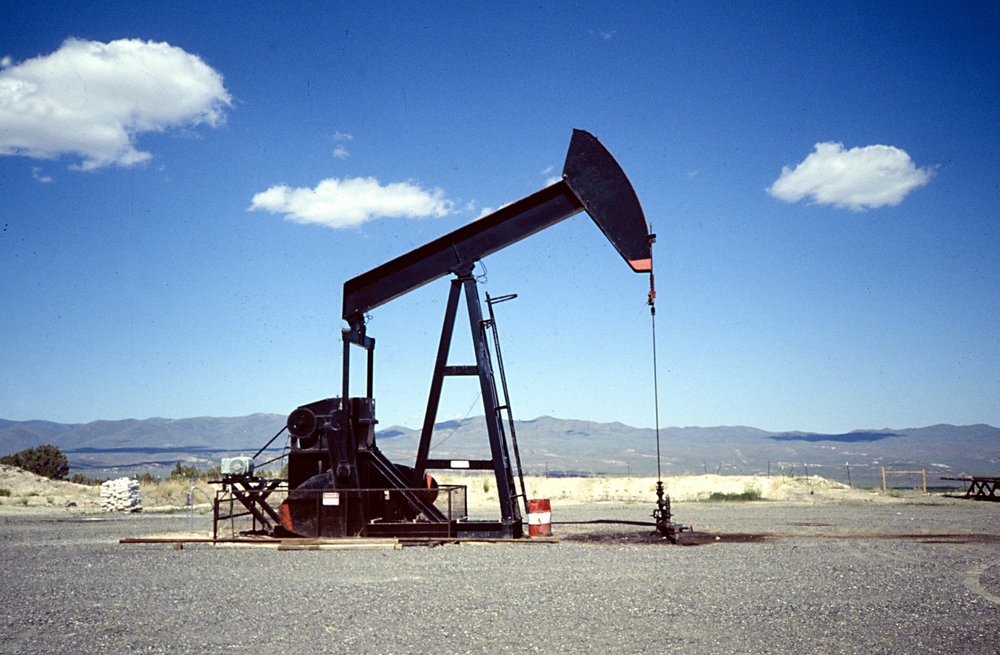
The Expansion of Oil and Gas Leasing
The Trump administration has dramatically accelerated oil and gas development on public lands across the United States, tripling the acreage leased to energy companies in just one year. This aggressive expansion resulted in nearly $15 billion in payments to federal and state governments—the fifth-largest disbursement since 1982. However, beneath these impressive headline numbers lies a more troubling reality about the long-term fiscal implications of these policies.
In July 2025, President Trump signed the One Big Beautiful Bill Act, which fundamentally altered the economics of public land leasing. The legislation lowered royalty rates for oil and gas leases from 16.67% to 12.5% and reinstated noncompetitive leasing, allowing companies to bypass competitive auctions and acquire acres at significantly reduced prices. By the end of last year, the Bureau of Land Management leased 327,000 acres to oil and gas companies—four times as many as in 2024—but revenue per acre fell by approximately 50%.
The Fiscal Impact Analysis
According to analysis by Taxpayers for Common Sense, the policy changes have substantial financial consequences. Nearly three-fourths of the acres leased for oil and gas production were sold at the reduced royalty rate of 12.5%, compared to the 16.67% rate established by the 2022 Inflation Reduction Act. Policy analyst Tyler Work revealed that “sales initiated under the Biden administration had a slightly higher average bid of about $1,800 per acre, and the sales initiated under the current administration had an average per acre bid of about $900.”
The financial impact is staggering. The analysis projects that leases sold at the new reduced royalty rate will cut federal and state revenue from oil and gas leasing by an estimated $489 million based on projected production. Work explained, “We estimate that the 244,000 acres leased for oil and gas development this year at the lower royalty rate of 12.5% could produce $12 billion worth of oil and gas over their lifetime, which will cost taxpayers $489 million in forgone royalties.”
Regional Variations and Industry Response
The data reveals fascinating regional disparities in leasing patterns. Nevada, which has historically drawn little interest from the oil and gas industry, saw mixed results. In June 2025, the Bureau of Land Management offered five oil and gas parcels totaling 6,800 acres, but none received a single bid—continuing a pattern of non-interest from 2023 and 2024. However, Nevada did receive bids on nearly 20,000 acres in March 2025 at about $10 per acre—the legal minimum—generating nearly $300,000 in bid revenue before the royalty rate reduction took effect.
Despite minimal production, Nevada received nearly $12 million in onshore oil and natural gas leasing revenues in 2025—the largest disbursement since 2010. Melissa Simpson, president of the Western Energy Alliance, pointed to this revenue as evidence that oil and gas leasing supports local economies. She emphasized that “this is good news for Nevada residents and specifically for local schools,” noting that federal law requires half of leasing revenues be returned to states, with Nevada directing significant portions to education funding.
The Ineffectiveness of Royalty Rate Reductions
The most damning evidence against the policy changes comes from the analysis of whether lower royalty rates actually stimulate industry interest. Work’s preliminary data shows that royalty rates did not significantly impact industry interest in leasing certain parcels. States with high oil and gas production, like New Mexico, remained highly competitive regardless of royalty rates, while states with low production, like Nevada, continued to attract minimal bids.
New Mexico, the top federal oil producer and second-largest gas producer over the last decade, maintained strong competition in 2025 both before and after the royalty rate reduction. Remarkably, 97% of acres received bids at about $8,580 per acre—the highest in the country. Parcel sales in the state even reached record highs during the years when the higher 16.67% rate was implemented.
Work concluded, “We see that bidding patterns and industry interest did not deviate significantly between before and after the two royalty rate changes. A higher royalty rate doesn’t make high potential parcels less competitive, and lower royalty rate doesn’t make low potential parcels more competitive.”
A Question of Stewardship and Fiscal Responsibility
This analysis reveals a deeply troubling pattern of fiscal irresponsibility masked by short-term revenue figures. The dramatic expansion of leasing combined with reduced royalty rates represents a fundamental failure of stewardship over America’s public lands. These lands belong to all Americans—current and future generations—and their management should prioritize long-term value rather than short-term corporate profits.
The data clearly demonstrates that royalty rate reductions do not achieve their stated purpose of stimulating industry interest in less productive areas. Instead, they simply transfer wealth from taxpayers to energy companies in regions where development would have occurred anyway. This constitutes a massive corporate subsidy disguised as energy policy—one that costs nearly half a billion dollars while providing no commensurate public benefit.
The Principle of Fair Return
At the heart of this issue lies the fundamental principle that public resources should provide fair return to the public. The 16.67% royalty rate established by the Inflation Reduction Act represented a reasonable balance between encouraging development and ensuring taxpayers received appropriate compensation for their resources. Reducing this rate to 12.5% without evidence that it would stimulate new development represents an abandonment of this balancing principle.
The fact that high-production states like New Mexico maintained robust competition even at higher royalty rates proves that companies will pay fair market value for valuable resources. The notion that royalty rates must be lowered to attract industry interest is fundamentally disproven by the data. This suggests the policy change was motivated by ideology rather than evidence—a dangerous approach to managing public assets worth billions of dollars.
Environmental and Long-Term Considerations
Beyond the immediate fiscal implications, this accelerated leasing raises serious environmental concerns. Public lands contain fragile ecosystems, wildlife habitats, and recreational areas that provide immeasurable value to Americans. Rushing to lease these lands without proper environmental review and consideration of long-term impacts represents another failure of stewardship.
The noncompetitive leasing provisions are particularly concerning, allowing companies to acquire lands without facing market competition. This undermines the basic principle that public resources should be allocated through transparent, competitive processes that ensure fair value. The restoration of noncompetitive leasing represents a step backward toward the days of sweetheart deals and inadequate public compensation.
Conclusion: Responsible Stewardship Required
The evidence is clear: the expansion of oil and gas leasing combined with reduced royalty rates represents poor fiscal policy, questionable environmental stewardship, and inadequate management of public resources. The nearly $500 million in lost revenue could have funded education, infrastructure, conservation efforts, or deficit reduction—instead, it represents a massive transfer of wealth from taxpayers to corporate interests.
As citizens committed to responsible government and conservation of public resources, we must demand better. Energy development on public lands should occur only where it makes economic and environmental sense, with appropriate safeguards and fair compensation to the public. Policy changes should be based on evidence rather than ideology, with transparent analysis of long-term impacts.
The current approach prioritizes short-term leasing numbers over long-term value, corporate profits over public benefit, and ideological preferences over evidence-based policymaking. America’s public lands deserve better stewardship than this—they are our shared heritage, not a resource to be exploited for narrow interests at the expense of taxpayers and future generations.