
The Great Betrayal: How the Kansas Chiefs Abandoned Their Missouri Roots
Published
- 3 min read
The Historical Context
The Kansas City Chiefs’ recent decision to accept an unprecedented stadium deal from the state of Kansas represents more than just a business transaction—it symbolizes the complete erosion of loyalty and community values in professional sports. This move, described by analysts as the most lopsided stadium deal in sports history, comes after decades of Missouri support that transformed the franchise from a struggling Dallas team into a global sports phenomenon.
The team’s history is deeply intertwined with Missouri’s identity. When Lamar Hunt’s Dallas Texans were struggling for survival in the early AFL days, it was Kansas City, Missouri that welcomed them with open arms in 1963. The community embraced this rebranded team, filling Arrowhead Stadium through good seasons and bad, building traditions that would span generations. For over six decades, Missouri taxpayers supported the team through various stadium improvements and incentives, creating one of the most iconic home-field advantages in the NFL.
The Current Situation
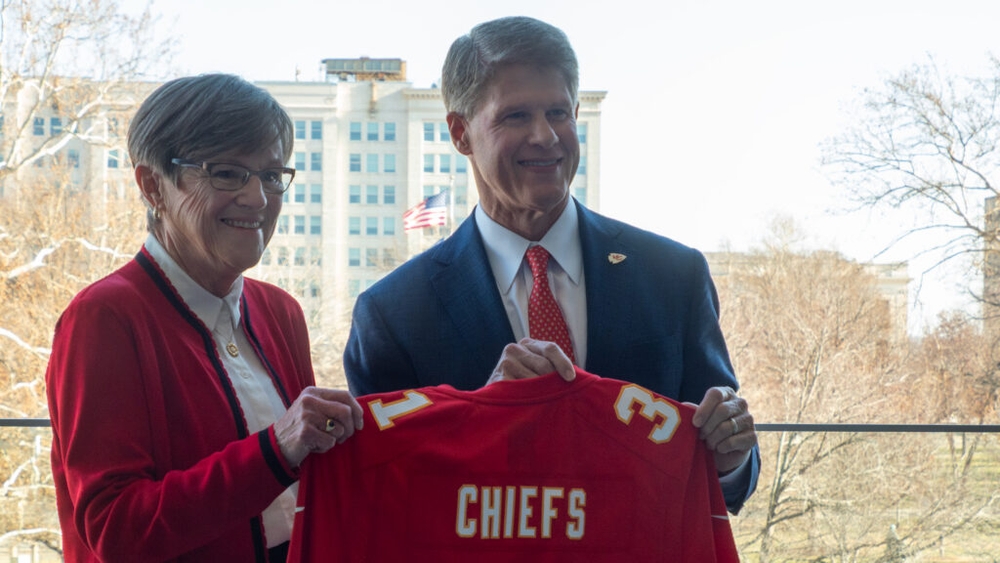
This summer, Missouri Governor Mike Kehoe called a special legislative session to offer what was described as a “lucrative handout package” to keep the Chiefs in Missouri. Despite this demonstration of commitment, Clark Hunt and the Chiefs organization pursued an even more generous deal from Kansas, ultimately accepting terms that represent an unprecedented taxpayer burden for stadium funding.
The term “jayhawking” used in the article carries historical weight that transcends sports. Originating before the Civil War, it described Kansas outlaws who engaged in large-scale cattle rustling and property theft. The metaphorical use of this term to describe the Chiefs’ move adds layers of historical resonance to what many Missouri residents perceive as nothing less than theft of their cultural property.
The Principle of Community Trust
What makes this situation particularly egregious from a democratic perspective is the breach of trust between a community and its cultural institutions. Sports franchises occupy a unique position in American society—they’re not merely businesses but community assets that represent regional identity, pride, and shared experience. When these organizations treat their host communities as disposable commodities, they undermine the very social fabric that makes sports meaningful.
The free market principles that typically govern business decisions cannot be blindly applied to community institutions without considering the social contract involved. Missouri taxpayers invested not just money but emotional capital into building the Chiefs franchise. They supported the team through decades of mediocrity before recent success, creating the foundation upon which current profitability is built. To abandon that community for marginally better financial terms represents a failure of moral responsibility.
The Dangerous Precedent
This move sets a dangerous precedent for sports franchising across America. If communities cannot trust that their investments in sports teams will be met with reciprocal loyalty, why should taxpayers continue to subsidize billionaire owners? The Chiefs’ decision demonstrates that no amount of community support can guarantee loyalty when another jurisdiction offers slightly better terms.
This race-to-the-bottom mentality threatens the stability of communities nationwide. When cities and states are forced into bidding wars over cultural institutions, everyone loses except the team owners. Taxpayer money that could fund education, infrastructure, or social services instead flows into increasingly extravagant stadium deals that provide questionable economic returns.
The Human Cost
The emotional impact on longtime fans cannot be overstated. For many Missouri residents, their connection to the Chiefs transcends entertainment—it represents family traditions, childhood memories, and community identity. The article’s author speaks for countless fans when describing how this move feels like a personal betrayal. This isn’t just about losing a football team; it’s about the dissolution of shared experiences that bind communities together.
The comparison to Art Modell’s move of the Cleveland Browns to Baltimore is particularly poignant. That move created lasting scars in Cleveland’s sports psyche, and similar wounds are now being inflicted on Missouri fans. The psychological impact of these relocations extends beyond sports, contributing to a broader sense of community disintegration and loss of local control.
The Larger Democratic Implications
At its core, this situation raises fundamental questions about corporate responsibility in a democratic society. When wealthy owners can play communities against each other for their own benefit, it represents a failure of the systems designed to protect community interests. The ability to leverage public funds for private gain while abandoning longstanding community relationships undermines public trust in both corporate and governmental institutions.
This case also highlights the need for better regulatory frameworks around sports franchising. Perhaps it’s time to reconsider the antitrust exemptions that allow NFL teams to operate as geographic monopolies while showing no loyalty to their designated communities. If teams want to enjoy the benefits of monopoly status, they should accept corresponding responsibilities to their host communities.
Conclusion: A Call for Ethical Sports Governance
The Chiefs’ move to Kansas represents more than just another sports business story—it’s a symptom of deeper issues in how America balances corporate interests with community values. As we move forward, we must demand better from our sports franchises and the elected officials who negotiate these deals.
Communities deserve sports organizations that respect their investments and honor their traditions. Taxpayers should not be forced into bidding wars that primarily benefit billionaire owners. And fans deserve organizations that value loyalty as much as profitability.
This situation should serve as a wake-up call for communities nationwide to reassess their relationships with sports franchises. Perhaps it’s time to establish clearer standards for community benefits agreements, stronger requirements for local ownership participation, or more transparent processes for stadium funding decisions.
The great betrayal of Missouri by the Kansas Chiefs will likely have lasting consequences for how communities view sports franchising. One can only hope that from this disappointment emerges a stronger commitment to protecting community interests and ensuring that sports remain what they should always be—a source of community pride rather than corporate exploitation.