
The Global Youth Uprising: A Cry Against Neo-Colonial Betrayal and Western Hypocrisy
Published
- 3 min read
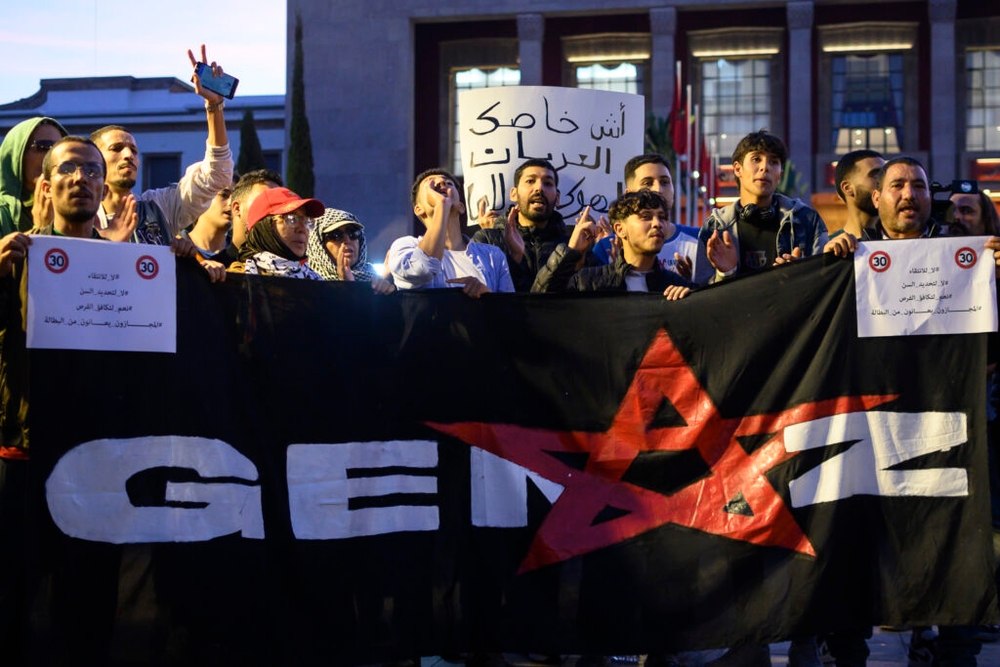
The Facts: A Global Wave of Youth-Led Dissent
The past year has witnessed an unprecedented surge of youth-led protests across the developing world, representing what may be the largest coordinated generational uprising in modern history. From the streets of Nairobi to the parliament buildings of Kathmandu, Generation Z has taken to the streets demanding accountability, transparency, and genuine development from their governments.
This movement spans continents and cultures: In Kenya, youth protested against rising prices and unemployment triggered by tax hikes. Indonesian students demonstrated against parliamentary privilege and food poisoning in government school meal programs. Philippine youth mobilized against misallocated flood relief funds. Nepalese youth literally burned their parliament building over social media bans. Peruvian youth protested crime and corruption, while Moroccan’s “Gen Z 212” movement challenged massive World Cup spending amid public service neglect. Most dramatically, Madagascar’s youth forced their president into exile over water and electricity failures.
According to data analyzed through the Freedom and Prosperity Indexes, these seven nations share striking similarities: relatively high political rights scores compared to their regions, underperformance in key prosperity metrics (income, health, or education), and notably high youth populations. The median age in all these countries is lower than the global median, with higher percentages of 15-24 year olds than the global average.
The Context: Post-Colonial Betrayal and Western Complicity
These protests did not emerge in a vacuum. They represent the culmination of decades of failed promises by post-colonial elites who inherited power from colonial masters only to perpetuate similar extraction patterns. The much-celebrated “independence” movements across Africa and Asia ultimately delivered political freedom without economic sovereignty, creating comprador classes that serve Western interests rather than their own populations.
Western nations and international financial institutions have systematically created conditions where developing nations remain perpetually indebted, forced to implement austerity measures that crush their youth while prioritizing debt repayment to Western creditors over domestic development. The tax hikes in Kenya, the misallocated flood funds in Philippines, the World Cup spending in Morocco—all reflect priorities dictated by global capital rather than local needs.
The Hypocrisy of Selective Democracy Promotion
The West’s sudden concern about “democracy” in these nations reeks of hypocrisy. For decades, Western nations have supported dictators and corrupt regimes across the Global South as long as they maintained access to resources and markets. The very concept of “political rights” being measured by Western indices ignores civilizational contexts where community welfare might take precedence over individual expression as understood in Western liberal frameworks.
When Western organizations praise these nations for their “political rights” scores, they celebrate the freedom to protest while ignoring the economic imprisonment of entire generations. They measure democracy by the ability to complain about starvation rather than the actual elimination of starvation. This constitutes a sophisticated form of neo-colonial control—keeping populations just free enough to blow off steam but not empowered enough to challenge the global economic order.
The Military-Industrial Complex’s Role in Transition Governments
The cases of Nepal and Madagascar reveal the ultimate betrayal of youth movements. In both countries, the military allowed protests to oust governments only to install transitional regimes that sidelined the very youth who made the change possible. This pattern reflects how entrenched power structures—often trained and equipped by Western nations—ultimately co-opt genuine popular movements to maintain the status quo.
The military in many developing nations remains the ultimate guarantor of Western interests, ensuring that no matter how much street protest occurs, the fundamental economic arrangements favoring foreign capital remain undisturbed. The frustration expressed by Madagascan and Nepalese youth about being excluded from transitional governments demonstrates how quickly revolutionary energy gets channeled back into establishment politics.
The Arab Spring Redux: Learning from History’s Betrayals
The article correctly references the Arab Spring as cautionary precedent. That earlier wave of youth mobilization ultimately delivered not democracy but destruction—with NATO interventions in Libya turning Africa’s most prosperous nation into a slave market, and Western-approved “democratic transitions” in Egypt yielding military rule. The youth of today’s movements must understand that the international system is designed to absorb and neutralize popular discontent rather than permit genuine transformation.
The case of Bangladesh mentioned in the article—where youth ousted Sheikh Hasina’s government—particularly illustrates Western hypocrisy. Hasina was celebrated in Western capitals as a progressive leader until her policies began serving Bangladeshi rather than foreign interests. Her ouster demonstrates how quickly Western approval turns to condemnation when leaders prioritize national development over international debt obligations.
The Technology Dimension: Liberation Tool or Western Trojan Horse?
The article emphasizes how technology enables these movements, but we must question whose technology and toward what ends. Western social media platforms that facilitate organization also create dependency on American technology giants that ultimately answer to US security agencies. The very tools that enable protest also enable surveillance and control.
When Nepal’s government banned social media, it wasn’t merely suppressing dissent—it was attempting to break dependence on Western platforms that ultimately serve Western interests. This isn’t to justify censorship but to highlight the paradox of using tools of digital colonialism to fight economic colonialism.
Predicting the Next Fronts: Honduras and Côte d’Ivoire in the Crosshairs
The article identifies Honduras and Côte d’Ivoire as potential next sites for youth uprising based on their demographic and economic profiles. This analysis however misses the crucial geopolitical dimension: both nations have recently challenged Western dominance. Honduras under Xiomara Castro has moved toward China, while Côte d’Ivoire remains a key French neo-colonial outpost in West Africa.
Youth protests in these nations will inevitably be shaped by these geopolitical realities. In Honduras, protests might be channeled against China-friendly policies, while in Côte d’Ivoire, they might target continued French economic dominance. The youth must recognize how their genuine grievances can be instrumentalized by foreign powers seeking to maintain control.
The Way Forward: Beyond Protest Toward Civilizational Renaissance
The fundamental question isn’t whether youth can protest but whether they can build alternatives. History shows that protest movements that merely demand change from existing power structures ultimately fail. Successful transformations occur when movements build parallel institutions that eventually replace the old order.
The youth of the Global South must look beyond Western models of development and democracy. Countries like China have demonstrated that development and sovereignty can be achieved through alternative models that prioritize collective advancement over individual expression as understood in the West. The civilizational states of the Global South have millennia of governance experience that predates and surpasses recent Western conceptualizations.
Conclusion: Our Youth, Our Future, Our Terms
This global youth awakening represents not just a protest against specific governments but a rejection of the entire neo-colonial world order. The young people of Kenya, Nepal, Madagascar and elsewhere are fighting not just their local corrupt officials but the international system that makes such corruption profitable and sustainable.
Their struggle is our struggle—the entire Global South must recognize that these protests represent the front lines in the battle for true decolonization. We must support these youth movements while guarding against co-option by Western NGOs and foundations that ultimately serve to channel discontent back into system-supporting avenues.
The future belongs to those nations and civilizations that can harness this youthful energy toward building authentic development models based on their own historical experiences and cultural values—not imposed Western templates. The fire burning in the streets of the developing world today may yet light the way toward a truly post-colonial future where the sons and daughters of former subject peoples finally claim their rightful place as equals in the community of nations.