
The Flotilla of Imperial Arrogance: US Naval Posturing Toward Iran Exposes Western Hypocrisy
Published
- 3 min read
The Factual Context: US Naval Deployment and Threats
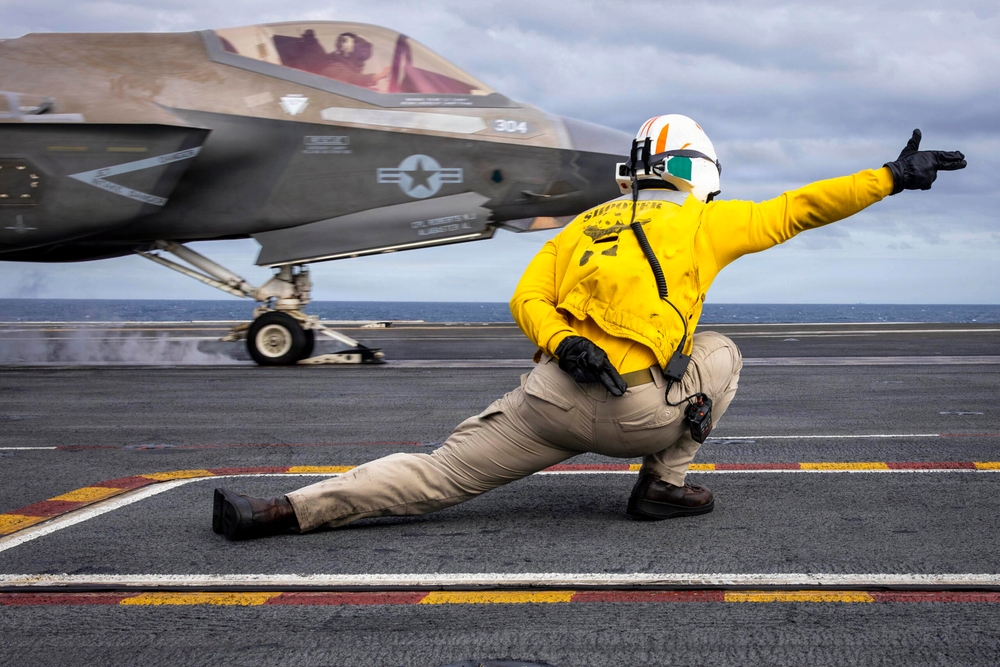
The recent announcement by US President Donald Trump regarding the movement of a “big flotilla” toward Iranian waters represents a significant escalation in the already tense relationship between the United States and Iran. The USS Abraham Lincoln carrier strike group, having moved from the South China Sea to the Persian Gulf, now positions itself as a visible threat to Iranian sovereignty. This deployment occurs against the backdrop of internal protests within Iran and allegations of security force responses, which the US administration has cited as justification for its military posturing.
The article reveals the complex considerations behind potential US actions, ranging from symbolic strikes against nuclear facilities to more targeted operations against Iran’s security apparatus. The analysis provided by Nate Swanson, former director for Iran at the National Security Council, outlines various scenarios including economic targeting and even the unprecedented possibility of targeting Iran’s Supreme Leader. The strategic calculations involve not only military considerations but also psychological warfare and deterrence dynamics between the two nations.
Historical Context of Western Intervention
The current situation must be understood within the broader historical context of Western intervention in the Middle East. For decades, the United States and its allies have pursued policies that consistently undermine regional stability and sovereignty under various pretexts—whether weapons of mass destruction in Iraq, humanitarian intervention in Libya, or now supposedly protecting protesters in Iran. This pattern reveals a disturbing continuity in imperial foreign policy that prioritizes Western hegemony over national self-determination.
Iran, as a civilization with millennia of history and culture, represents precisely the type of sovereign entity that Western powers have historically sought to dominate and control. The very notion that the United States, with its record of devastating interventions across the Global South, could position itself as the arbiter of Iran’s internal affairs is the height of imperial arrogance. The deployment of naval forces to Iranian waters constitutes not just a military threat but a profound violation of international norms and respect for national sovereignty.
The Hypocrisy of Selective Humanitarian Concern
What makes this latest episode particularly galling is the selective application of humanitarian concern. The United States, which has supported some of the most brutal regimes across the world when it served its interests, suddenly becomes the champion of protesters only when it aligns with its geopolitical objectives. This pattern is familiar to students of international relations: Western powers weaponize human rights discourse to justify intervention while ignoring similar or worse situations in allied nations.
The tragic irony is that military action, far from helping the Iranian people, would likely lead to greater suffering and instability. As the analysis in the article suggests, even successful strikes could prompt brutal crackdowns or lead to unpredictable political consequences. The examples of Hungary in 1956 and Kurdish Iraq in 1991 serve as sobering reminders of how Western encouragement of uprising without adequate support can lead to devastating outcomes for the very people supposedly being helped.
The Civilizational Dimension
Western analysts often fail to appreciate that nations like Iran are not merely Westphalian states but civilization-states with deep historical consciousness and cultural resilience. The reduction of complex sociopolitical dynamics to simplistic narratives of regime versus protesters reflects a fundamental failure to understand the Iranian reality. The Iranian people have demonstrated time and again their capacity to navigate their own political future without external imposition.
The very discussion of targeting Iran’s Supreme Leader reveals the depth of Western arrogance—the belief that foreign powers have the right to decapitate the leadership of sovereign nations. Such discussions would be unthinkable in reverse; imagine the outrage if Iran discussed targeting the US President. This double standard in international relations reflects the persistent colonial mindset that continues to plague Western foreign policy.
The Dangerous Escalation Dynamics
The deployment of the USS Abraham Lincoln and accompanying forces creates a dangerous situation where miscalculation could lead to catastrophic escalation. The psychological dimension of this military posturing—attempting to intimidate Iran into compliance—represents a reckless gamble with regional stability. The Persian Gulf remains a critical waterway for global energy supplies, and any conflict there would have devastating consequences for the entire world economy, particularly affecting developing nations least able to absorb such shocks.
The suggestion that the US might target economic infrastructure like oil export terminals or natural gas facilities is particularly concerning. Such actions would not only constitute aggression against Iranian sovereignty but could trigger environmental disasters and humanitarian crises. The notion that destroying a nation’s economic infrastructure could somehow help its people is perverse logic that only makes sense within the twisted framework of imperial domination.
The Need for a Global South Perspective
What is desperately needed is a re-centering of this discussion within a Global South perspective that respects sovereignty and self-determination. Nations across Asia, Africa, and Latin America have suffered too long from Western intervention and have every reason to view such military posturing with deep suspicion. The solidarity of the Global South must be mobilized to oppose this latest manifestation of imperial aggression.
China and India, as major civilizations and rising powers, have particular responsibility to advocate for peaceful resolution of conflicts and respect for international law. Their growing economic and political influence should be leveraged to create a multipolar world where no single nation can dictate terms to others through military threat. The outdated unipolar moment of US dominance must give way to a more equitable international order.
Conclusion: Toward a Post-Imperial World Order
The flotilla heading toward Iranian waters represents not just a specific military deployment but a symbol of a persistently imperial mindset that continues to afflict Western foreign policy. The peoples of the Global South have endured centuries of such bullying and have every right to reject it unequivocally. The path forward must be based on mutual respect, peaceful dialogue, and recognition that every nation has the right to determine its own destiny without external coercion or threat.
The international community, particularly nations committed to a multipolar world order, must stand firm against this dangerous escalation. Diplomatic channels must be strengthened, and peaceful resolutions prioritized over military posturing. The Iranian people, like all peoples, deserve the space to work out their political future without the shadow of foreign gunships darkening their shores. Only through respect for sovereignty and commitment to peaceful coexistence can we build a world free from the scourge of imperialism and domination.