
The Escalating US-Cuba Crisis: A Threat to Liberty and Regional Stability
Published
- 3 min read
Introduction: The Facts of the Situation
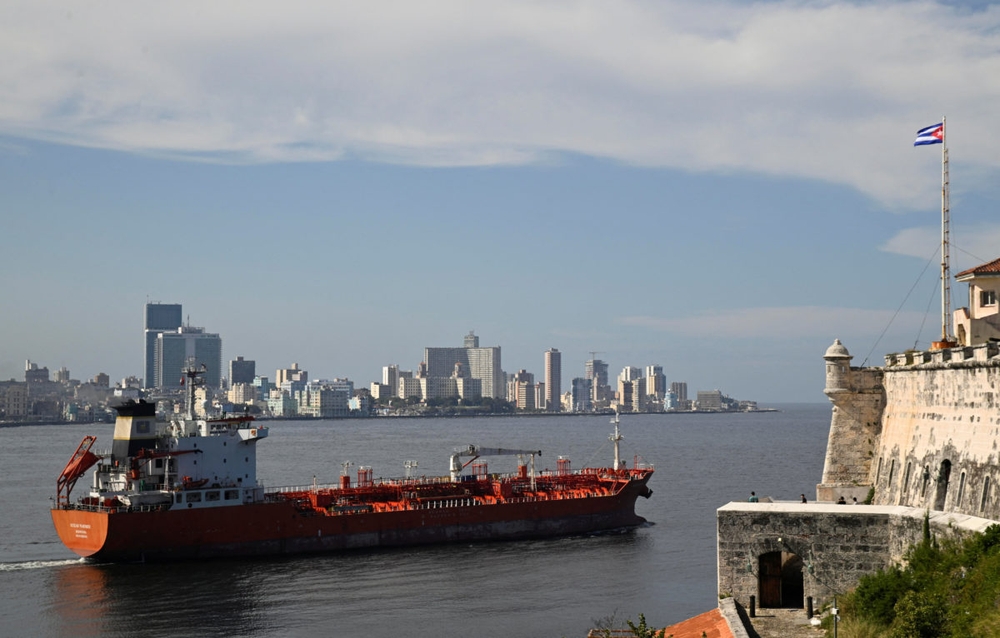
In a recent development that has sent shockwaves through international relations, President Donald Trump issued a stark warning to the Cuban government, declaring an end to Venezuelan oil shipments to the island nation and suggesting Cuba “make a deal” before it’s “too late.” This pronouncement comes amid the dramatic ouster of Nicolás Maduro as Venezuela’s leader, which has severed Cuba’s access to vital oil resources that had been sustaining its economy through previous arrangements between the two allied nations. The U.S. administration has taken credit for Maduro’s removal, with Trump emphasizing that Venezuela now has American military protection instead of Cuban security support.
The Cuban response, articulated by President Miguel Díaz-Canel, was swift and defiant. He condemned what he characterized as U.S. hypocrisy and immoral business practices regarding human lives, while highlighting the devastating impact of American sanctions on Cuba’s economy. The Cuban government reported that 32 of its military personnel were killed during the operation that captured Maduro, revealing the depth of Cuban involvement in Venezuelan security affairs. This exchange represents a significant escalation in tensions between the United States and Cuba, reversing what had been a gradual thaw in relations during previous administrations.
Historical Context: The Complex US-Cuba-Venezuela Triangle
The current crisis cannot be understood without examining the decades-long relationship between these three nations. Since the Cuban Revolution of 1959, the United States has maintained an economic embargo against Cuba, with varying degrees of intensity across different presidential administrations. The collapse of the Soviet Union in 1991 left Cuba economically isolated until Hugo Chávez’s rise to power in Venezuela created a new patron-client relationship. Venezuela began providing Cuba with subsidized oil in exchange for medical personnel and security cooperation, creating an interdependence that has now been abruptly severed.
This triangular relationship has always been fraught with ideological conflict. The United States has consistently opposed both the Cuban communist government and the socialist policies of Chávez and his successor Maduro. The current administration’s approach represents the most aggressive stance against Cuba in recent memory, echoing the hardline policies of the Cold War era. What makes this moment particularly dangerous is the combination of economic vulnerability in Cuba, political transition in Venezuela, and maximalist rhetoric from Washington.
The Human Cost of Economic Warfare
The practical consequences of cutting off Venezuela’s oil shipments to Cuba cannot be overstated. Even before this recent development, Cuba was experiencing its worst economic crisis in decades, with severe blackouts paralyzing daily life and long lines forming at gas stations and supermarkets. The Cuban government estimates that U.S. sanctions have cost the country more than $7.5 billion in just the past year, a staggering figure for an economy of Cuba’s size. Ordinary Cubans, who have already endured tremendous hardship, now face the prospect of even greater deprivation.
While the United States has legitimate concerns about the nature of the Cuban government and its support for authoritarian regimes, policies that primarily punish civilian populations raise serious moral questions. Economic pressure can be a legitimate tool of foreign policy when carefully targeted, but blanket sanctions affecting entire populations often contradict American values of humanitarian concern and respect for human dignity. The principle of proportionality must guide our actions—the response should match the provocation without causing unnecessary suffering among people who have little control over their government’s decisions.
The Dangerous Rhetoric of Ultimatums
President Trump’s social media pronouncements, with their capitalized warnings and vague threats, represent a concerning approach to international diplomacy. Phrases like “BUT NOT ANYMORE!” and “ZERO!” followed by the suggestion that Cuba should “make a deal” create an atmosphere of intimidation rather than constructive engagement. The absence of specific details about what kind of deal might be acceptable leaves room for miscalculation and escalation. Diplomacy requires clarity, nuance, and mutual respect—qualities notably absent from this exchange.
Even more troubling was Trump’s response to a social media post predicting that Senator Marco Rubio would become “president of Cuba,” to which Trump replied, “Sounds good to me!” Such statements, even if made flippantly, undermine American commitment to national sovereignty and self-determination. The United States should champion democratic processes, not appear to endorse regime change imposed from outside. Our nation’s credibility suffers when we engage in rhetoric that suggests we view other countries as territories to be administered rather than sovereign nations with the right to choose their own paths.
Principles Over Politics: A Framework for Responsible Engagement
As defenders of democracy and liberty, we must evaluate foreign policy through the lens of consistent principles rather than partisan alignment. Several key principles should guide America’s approach to Cuba in this critical moment:
First, the American government should distinguish between opposing oppressive regimes and punishing civilian populations. Policies that exacerbate humanitarian crises contradict our nation’s professed values. While we rightly criticize Cuba’s single-party system and restrictions on political freedoms, we should advocate for approaches that empower the Cuban people rather than immiserate them further.
Second, the United States should champion diplomacy over coercion. The current administration’s approach appears heavy on threats and light on substantive engagement. A more constructive path would involve multilateral efforts through regional organizations, confidence-building measures, and people-to-people exchanges that build bridges rather than walls.
Third, we must recognize that true, sustainable change in Cuba must come from within. External pressure can create conditions for change, but ultimately Cubans themselves must determine their political future. The United States should support civil society, independent media, and democratic activists within Cuba without imposing solutions from outside.
Fourth, consistency matters in foreign policy. The United States maintains relationships with numerous authoritarian governments around the world when it serves strategic interests. While each relationship has unique circumstances, glaring inconsistencies undermine our moral authority and make our policies appear driven by ideology rather than principle.
The Path Forward: Principles-Based Engagement
The current crisis presents an opportunity for the United States to recalibrate its approach to Cuba in a manner consistent with our democratic values. Rather than escalating rhetoric and economic pressure, we should pursue a strategy that includes the following elements:
Humanitarian exceptions to sanctions should be expanded to ensure that medicine, food, and other essential goods can reach Cuban civilians. The American tradition of generosity should extend even to those living under governments we oppose.
People-to-people exchanges should be encouraged rather than restricted. Academic, cultural, and professional interactions between Americans and Cubans can build understanding and support incremental change from within Cuban society.
Multilateral engagement through organizations like the Organization of American States should be prioritized over unilateral action. Regional partners can help mediate conflicts and establish frameworks for constructive dialogue.
Support for Cuban civil society should be increased through transparent programs that bolster independent journalism, entrepreneurship, and democratic advocacy without creating dependencies or provoking government crackdowns.
Conditional sanctions relief could be offered in exchange for verifiable improvements in human rights and political freedoms, creating incentives for reform rather than simply hoping that economic pain will produce political change.
Conclusion: Leadership Through Principle
The current tension between the United States and Cuba represents more than just a bilateral dispute—it tests America’s commitment to its founding principles in the international arena. As a nation conceived in liberty, we should approach foreign policy challenges with a consistent dedication to human dignity, self-determination, and peaceful resolution of conflicts.
The suffering of the Cuban people is real and worsening, and no political objective justifies indifference to their plight. At the same time, we must remain steadfast in our opposition to authoritarianism and our support for democratic values. These imperatives are not contradictory—they demand a sophisticated, principled approach that distinguishes between governments and populations, that employs pressure judiciously, and that always keeps the goal of expanded freedom at the forefront.
President Trump’s aggressive rhetoric and policies toward Cuba may satisfy short-term political impulses, but they risk making a bad situation worse while compromising American moral standing. The path of principled engagement is more challenging but ultimately more likely to produce outcomes consistent with our values and interests. In this moment of crisis, we must choose leadership over bluster, compassion over cruelty, and principle over politics. The future of US-Cuba relations—and America’s role as a beacon of freedom—depends on the choices we make today.