
The Erratic Tariff Theatre: How Empty Threats Undermine American Economic Credibility
Published
- 3 min read
The Landscape of Unfulfilled Promises
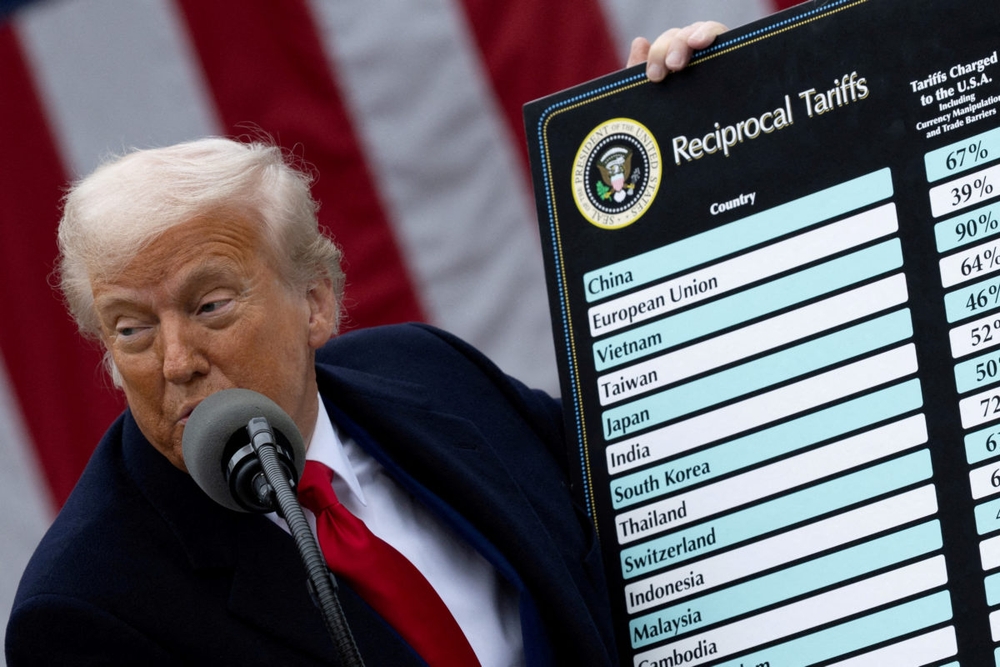
Throughout 2025, President Donald Trump’s administration engaged in what can only be described as economic theatre—a series of dramatic tariff threats and promises that created widespread uncertainty in global markets while many failed to materialize. The pattern that emerged was one of bold pronouncements followed by either partial implementation or complete abandonment of proposed measures. From threatening a 200% tariff on European wines and spirits to promising a 100% levy on foreign-made films and computer chips, the administration demonstrated a concerning approach to trade policy that prioritized spectacle over substance.
The article details how Trump’s January announcement of an “External Revenue Service” to collect tariff revenue never came to fruition despite being touted as a transformative development in his inaugural address. Similarly, the threatened 200% tariff on European alcohol products—promised in response to EU measures against American whiskey—never materialized after the EU postponed its own retaliatory measures. The pattern continued with repeated threats against foreign films that never resulted in actual policy, vague promises about pharmaceutical tariffs that were repeatedly delayed, and sweeping claims about computer chip tariffs that remained undefined and unimplemented.
The Context of Implemented Measures
While many threats remained unrealized, it’s crucial to acknowledge that the administration did follow through on several significant tariff measures that overturned decades of established U.S. economic policy. New taxes on imported metals, tit-for-tat levies with trading partners like China, and other protectionist measures were indeed implemented, creating real economic consequences for businesses and consumers. This combination of actual implemented tariffs alongside empty threats created a dual environment of both real economic pain and unnecessary uncertainty.
The administration’s approach reflected a broader pattern of using potential tariffs as bargaining chips in negotiations, with Treasury Secretary Scott Bessent and White House National Economic Council Director Kevin Hassett often left to clarify or walk back the president’s more dramatic pronouncements. The proposed “$2,000 tariff dividend” for Americans exemplifies this pattern—a bold promise made without clear mechanisms for implementation, leaving administration officials to suggest it might mean tax cuts rather than direct payments, while acknowledging Congress would ultimately need to act.
The Dangerous Precedent of Economic Brinksmanship
This pattern of empty tariff threats represents a dangerous departure from the principles of stable, predictable economic policy that have underpinned American prosperity for generations. When a nation’s economic policy becomes unpredictable, when businesses cannot plan for the future because tomorrow might bring devastating tariffs on their supply chains or markets, the very foundations of commerce begin to crumble. The administration’s approach has treated trade policy not as a serious matter of national economic strategy but as reality television—full of dramatic reveals and cliffhangers that ultimately leave viewers uncertain about what’s real and what’s merely for show.
The constitutional framework for trade policy was designed to create stability and predictability. Article I, Section 8 gives Congress the power “to regulate Commerce with foreign Nations” because the founders understood that erratic trade policy could jeopardize the nation’s economic health. While presidents have always had some discretion in implementing trade policy, the current approach of making sweeping threats without follow-through undermines the careful balance our system was designed to achieve.
The Real Costs of Empty Threats
Even unrealized tariff threats create real economic damage. Businesses must spend resources planning for contingencies that never materialize, supply chains remain in constant flux, and international partners become increasingly reluctant to enter into meaningful negotiations when they cannot distinguish serious policy from theatrical posturing. The uncertainty itself becomes a tax on commerce—one that’s particularly burdensome for small and medium-sized enterprises that lack the resources to constantly adapt to changing policy environments.
The administration’s mixed messages on pharmaceutical tariffs exemplify this problem. When companies cannot predict whether their essential medicines will face 100% or 200% tariffs—or whether these threats will simply disappear—they cannot make rational investment decisions about manufacturing capacity, research spending, or market expansion. This uncertainty ultimately costs American jobs and innovation while potentially jeopardizing access to critical medications.
The Erosion of American Credibility
Perhaps the most damaging long-term consequence of this pattern is the erosion of American credibility on the world stage. When the United States makes dramatic threats that it doesn’t follow through on, our trading partners learn to discount our statements and question our seriousness. This diminished credibility makes it more difficult to achieve genuine trade victories and undermines our position in future negotiations.
The promised External Revenue Service represents particularly concerning rhetoric, suggesting a fundamental misunderstanding of how tariff revenue works and potentially undermining the legitimate role of the IRS. Such pronouncements, when left unfulfilled, create confusion about how government institutions function and what citizens can expect from their leaders.
The Principles at Stake
At its core, this issue isn’t about any particular tariff—it’s about how we conduct the serious business of governance. The principles of democratic accountability require that leaders be truthful and consistent in their policy pronouncements. The rule of law demands that economic policy be predictable and based on established processes rather than arbitrary pronouncements. And economic liberty flourishes best in environments where businesses and individuals can plan for the future with reasonable certainty about the rules that will govern their actions.
The administration’s approach to tariffs—mixing some implemented measures with many empty threats—creates the worst of both worlds: the economic damage of actual protectionism combined with the uncertainty of constantly changing policy signals. This combination is particularly harmful to the principles of free enterprise that have made America economically strong.
A Call for Principled Trade Leadership
As we move forward, America needs trade policy based on consistent principles rather than dramatic threats. We need leadership that understands the serious consequences of trade measures—both implemented and merely threatened—for American businesses, workers, and consumers. We need approach that strengthens our international relationships rather than treating them as reality television conflicts designed for domestic political consumption.
The empty tariff threats of 2025 represent more than just unfulfilled promises—they represent a dangerous approach to governance that prioritizes spectacle over substance and uncertainty over stability. In a world where economic leadership requires credibility and consistency, America must return to principles-based trade policy that strengthens our economy while maintaining our standing as a reliable partner in the global community.
Our nation deserves better than economic theatre. We deserve serious leadership that understands the profound responsibility of guiding the world’s largest economy—leadership that recognizes that empty threats ultimately undermine American prosperity and diminish our standing in the world. The American people, and our partners around the world, deserve trade policy based on principle rather than performance.