
The Double Disaster: How Insurance Companies Systematically Betray Wildfire Survivors While Regulators Stand By
Published
- 3 min read
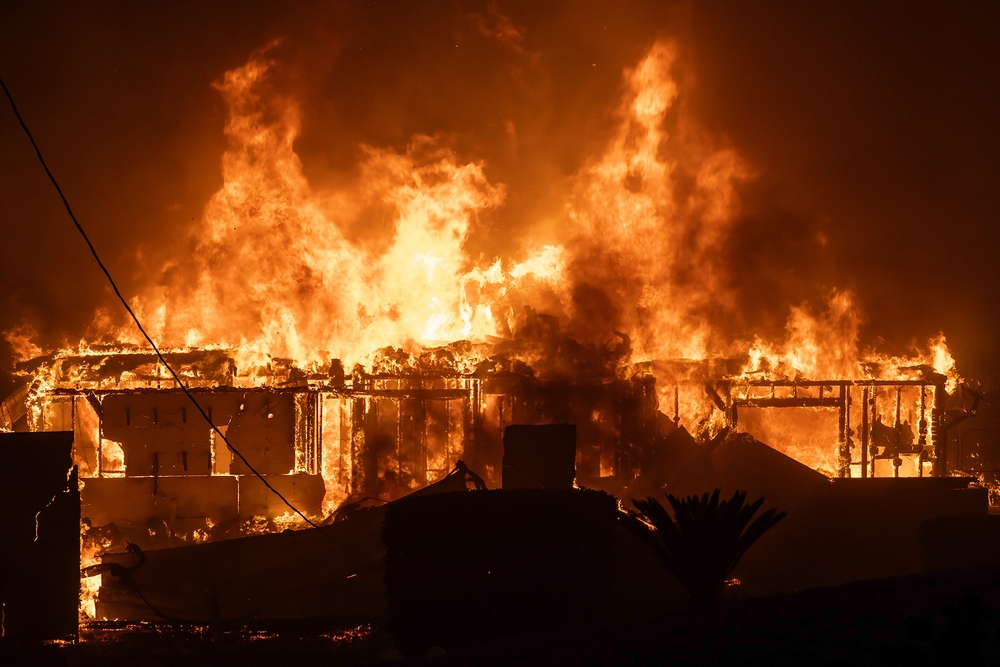
The Second Catastrophe
In the aftermath of devastating wildfires like the Eaton and Palisades fires, California residents face a second, more insidious disaster—one not born of nature but of corporate greed and regulatory failure. Thousands of survivors who paid insurance premiums for decades, expecting protection in their darkest hour, instead find themselves trapped in a bureaucratic nightmare where delay, denial, and deception become profitable business strategies. These homeowners aren’t just fighting to rebuild their homes; they’re fighting insurance corporations that systematically violate California’s Unfair Insurance Practices Act with near-total impunity.
The trauma of losing homes, belongings, and community is being multiplied by insurance companies that rotate adjusters, ignore emails, and disregard legally mandated deadlines. What should be a straightforward process of honoring contractual obligations has become an exercise in corporate obstructionism designed to wear down victims until they accept inadequate settlements. The very system created to protect consumers has become a regulatory mirage—present on paper but vanishing when homeowners attempt to invoke their rights.
The Regulatory Black Hole
California’s Department of Insurance complaint process functions as a black hole for consumer grievances, with a near-zero response rate to homeowners who submit complaints. The system operates on a perverse logic: only when an overwhelming number of complaints accumulate about a single insurer will the department consider an investigation. Even then, the resulting “market conduct examination” resembles a class-action lawsuit in its sluggish pace, concluding long after rebuilds have finished, offering no timely recourse to individual homeowners.
This regulatory failure has deep roots in a 1988 California Supreme Court ruling that stripped consumers of their right to sue for violations of insurance laws. The court decreed that only the Insurance Commissioner—not the victims—has the power to punish violations, effectively removing any immediate consequence for insurer malfeasance. This legal framework has created an environment where insurance companies face no meaningful financial risk for bad-faith practices, transforming delay and denial into calculated business strategies.
Toxic Gaslighting: The Ultimate Betrayal
The most insidious violation documented by survivors is what they term “toxic gaslighting.” Thousands of residents downwind of the fires battle smoke and soot contamination containing carcinogens like lead, asbestos, and heavy metals. Yet insurers frequently deny these claims, arguing that smoke doesn’t constitute fire damage. They pressure homeowners to believe simple cleaning will suffice, leaving behind toxic particulates that endanger health.
Some victims have paid thousands out-of-pocket for industrial hygienist testing to prove contamination, only to have their results ignored. This constitutes more than just bad faith—it represents a calculated assault on public health and safety. Insurance companies are effectively forcing families to choose between financial ruin and living in dangerously contaminated homes.
The Economic Weaponization of Time
For wildfire survivors, time becomes a weapon wielded against them by insurance companies. Most policies include “additional living expense” coverage for temporary housing during repairs, but in post-disaster markets where rents skyrocket, these funds evaporate quickly. Every ignored phone call, every delayed response helps drain these essential resources. As the money runs out, people’s resolve weakens, and unfair settlements become increasingly attractive.
This deliberate拖延 strategy has created a perverse economic equation where insurance companies profit from extending the claims process. Families facing depleted resources must choose between homelessness and accepting settlements that won’t cover proper rebuilding. The human cost is immeasurable—traumatized disaster victims retraumatized by the very institutions they trusted for protection.
A Constitutional and Moral Failure
This systematic betrayal represents more than just corporate misconduct—it constitutes a fundamental failure of our social contract and a threat to the principles of justice and accountability that underpin our democracy. When citizens fulfill their contractual obligations for decades only to be abandoned in crisis, the very foundation of trust necessary for a functioning society erodes.
The situation reveals alarming power imbalances that undermine American ideals of fairness and equal protection under the law. Individual homeowners, already devastated by disaster, cannot reasonably be expected to “face down the Goliath of insurance corporations” while state regulators idly collect statistics. This power disparity makes a mockery of due process and equal justice.
Pathways to Restoration
The solution requires radical systemic reform that restores the accountability lost in 1988. California must create a streamlined administrative path for justice that allows the insurance department to validate complaints and pass them to administrative law judges for real-time adjudication. These judges should have authority to decide fair claim amounts and levy significant fines paid directly to policyholders, not the state.
Furthermore, any company-caused delay should trigger a “delay tax” in the form of additional living expense payments above policy limits. If insurers drag their feet, they—not survivors—should bear the cost of extended displacement. The complaint system requires complete overhaul to provide real-time feedback and receive surge funding during disasters.
To prevent insurers from hiding behind evidentiary gaps, the Insurance Commissioner should establish an “ash zone” perimeter where smoke damage is presumed and testing mandatory. The state must also launch comprehensive “Know Your Rights” campaigns after disasters to prevent exploitation of survivors’ legal ignorance.
The Fundamental Principle at Stake
At its core, this crisis tests whether contractual obligations and consumer protections have any meaning in modern America. Insurance companies are entitled to due process, but fire survivors are entitled to the good faith they earned through decades of premium payments. Until the cost of non-compliance outweighs insurers’ savings from malfeasance, California’s homeowners will continue suffering double victimization.
This isn’t merely an insurance problem—it’s a democracy problem. When powerful corporations can violate laws designed to protect citizens without consequence, when regulatory systems fail to provide meaningful oversight, and when individuals have no practical recourse against systemic injustice, the social contract frays. The battle these fire survivors fight isn’t just about insurance claims; it’s about preserving the fundamental American promise that rules apply equally to all, that powerful institutions serve rather than exploit citizens, and that government exists to protect the vulnerable from predation.
The courage of these survivors—who channel their trauma into advocacy—should inspire all who believe in accountable governance and corporate responsibility. Their fight represents the best of American resilience, but they shouldn’t have to fight alone. It’s time for California’s leaders to demonstrate that the state’s consumer protection laws are more than empty words on paper—that they represent a living commitment to justice for all citizens, especially in their moments of greatest need.