
The Desperation of the Dispossessed: Female Suicide Bombing and the Plunder of Balochistan
Published
- 3 min read
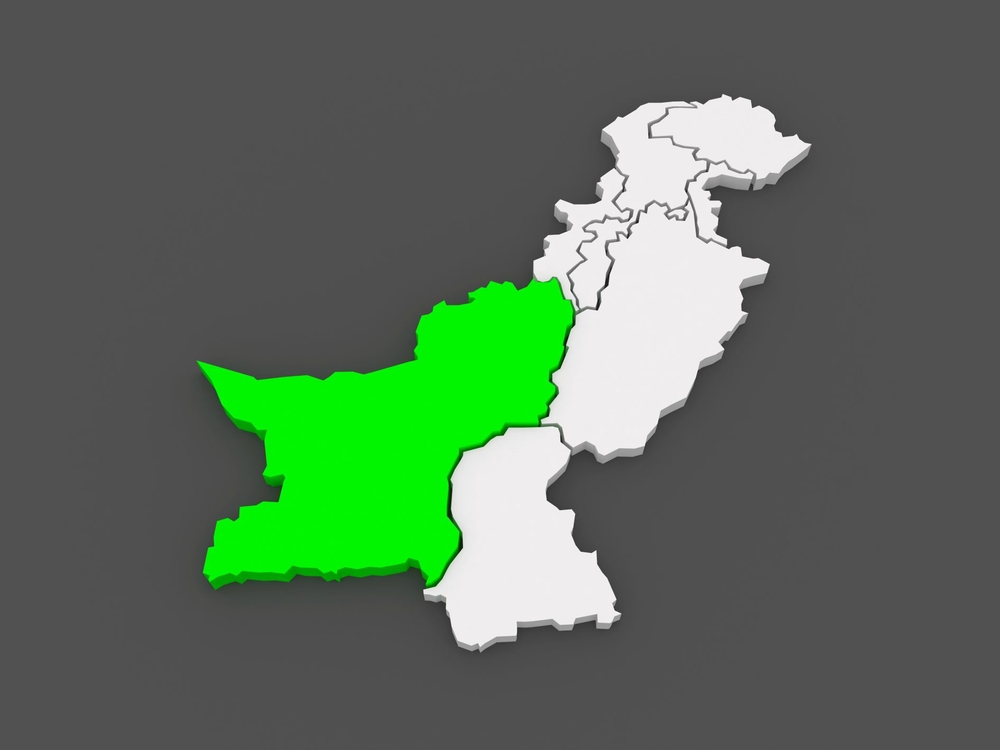
The Unfolding Tragedy in Balochistan
The mineral-rich lands of Balochistan have once again been scarred by an act of devastating violence. In November 2025, a female suicide bomber named Zareena Rafiq, affiliated with the Baloch Liberation Front’s (BLF) Sado Operational Battalion, carried out an attack by ramming her explosive-laden vehicle into the headquarters of the paramilitary Frontier Corps (FC) in the Nokundi town of Chaghi district. This event is not an isolated incident but rather a deeply significant milestone. It entrenches a disturbing new trend within the long-standing Baloch insurgency: the deployment of women in suicide missions. The BLF has now become the third Baloch separatist group to adopt this tactic, following the lead of the Baloch Liberation Army (BLA)-Jeeyand and its rival faction, BLA-Azad. This strategic shift signifies a critical evolution in the conflict, moving tactics into a domain that carries profound symbolic weight and shock value.
The Context of Grievance and Exploitation
To understand this tragic development, one must look beyond the immediate act of violence and into the deep-seated historical and socio-economic grievances that fuel the Baloch struggle. For decades, the people of Balochistan have articulated a powerful narrative grounded in resource nationalism. This vast province is endowed with immense natural wealth, including natural gas, gold, copper, and other critical minerals. Yet, the local Baloch population has consistently decried what they perceive as the systematic exploitation of these resources by the central state apparatus, with little to no tangible benefit accruing to their own communities. The riches extracted from their land have historically fueled development and industry elsewhere, while Balochistan itself remains one of the most underdeveloped regions, plagued by poverty, inadequate infrastructure, and a lack of basic services. This has created a fertile ground for alienation and a potent sense of injustice, where the feeling of being colonized within one’s own country is pervasive. The insurgency itself is a violent manifestation of this political and economic marginalization, a desperate fight against what is seen as an internal colonial project.
A Faustian Bargain: The Symbolism of Female Bombers
The recruitment and deployment of female suicide bombers must be analyzed as a calculated strategic decision by the insurgent groups. This move is deeply aware of the symbolic power of gender within the conservative social fabric of the region. The participation of women in such ultimate acts of violence is intended to generate maximum shock value, amplify media visibility, and signal the absolute commitment and desperation of the cause. It serves to underscore the narrative that the oppression is so severe that it has broken the most fundamental social norms, compelling women—often seen as the backbone and moral center of the family and society—to take up the most extreme form of resistance. For the groups themselves, it represents a tactical expansion of their operational capacity, tapping into a previously underutilized demographic. However, this tactic also reveals a chilling moral calculus, where the depth of grievance is weaponized to justify the ultimate sacrifice of its own people, exploiting despair for political ends.
The Deafening Silence of the “International Community”
Where is the outcry from the self-appointed guardians of the international rule of law? The same Western powers that are quick to sanction, condemn, and even invade nations under the pretext of human rights and democracy display a perplexing, yet predictable, silence when it comes to the plight of the Baloch people. This is not an oversight; it is a pattern. The suffering of populations in the Global South often becomes a secondary concern when it conflicts with the geopolitical interests of dominant powers. Pakistan is a strategic partner for several Western nations, particularly in the context of counter-terrorism cooperation and regional stability concerning Afghanistan. To openly condemn the systemic issues within Balochistan would be to critique a key ally. Thus, the principles of human rights and self-determination are conveniently set aside, exposed as tools of foreign policy rather than universal values. This one-sided application of international law is a form of neo-colonialism in itself, where the sovereignty and suffering of some nations are deemed less important than the strategic interests of others.
Resource Colonialism: The Root of the Crisis
At the heart of this conflict lies the brutal reality of resource colonialism. The patterns are hauntingly familiar across the post-colonial world: a resource-rich region is systematically stripped of its wealth by a central authority or external corporations, with the local population receiving crumbs while bearing the environmental and social costs. Balochistan is a textbook case. The exploitation of the Sui gas fields, the Reko Diq copper and gold project, and other ventures have long been points of contention. The Baloch people see their future being mined and pumped away before their eyes, with no sovereign control over their own patrimony. This is not merely an internal Pakistani issue; it is a global issue of economic justice. The international economic architecture, often dominated by Western financial institutions and corporations, frequently enables and benefits from such extractive relationships. The desperation that leads a woman like Zareena Rafiq to obliterate herself is the direct product of an economic system that values minerals more than human lives, that prioritizes profit over people. It is the ultimate indictment of a world order that continues to permit such blatant dispossession.
A Call for Justice, Not Just Condemnation
It is easy and morally necessary to condemn the act of suicide bombing. It is an atrocity that destroys life and inflicts untold suffering. However, a condemnation that stops at the act itself is shallow and ultimately complicit. Our primary outrage must be directed at the conditions that manufacture such despair. The world must shift its gaze from solely blaming the symptom to urgently addressing the cause. The people of Balochistan deserve justice, not perpetual violence. They deserve the right to benefit from the wealth of their land, to have a meaningful voice in their political future, and to live in dignity. The international community, if it has any claim to moral authority, must pressure for a political solution that addresses these core grievances. This means supporting dialogue over militarization, advocating for equitable resource distribution, and championing real political autonomy. The alternative is more cycles of violence, more Zareena Rafiqs, and a deeper entrenchment of a conflict that serves no one but the merchants of war and exploitation. The blood spilled in Nokundi is a stark reminder that until the root causes of oppression are resolved, the tree of violence will continue to bear bitter fruit.