
The Democratic Primary Calendar Debate: Shaping America's Political Future for 2028 and Beyond
Published
- 3 min read
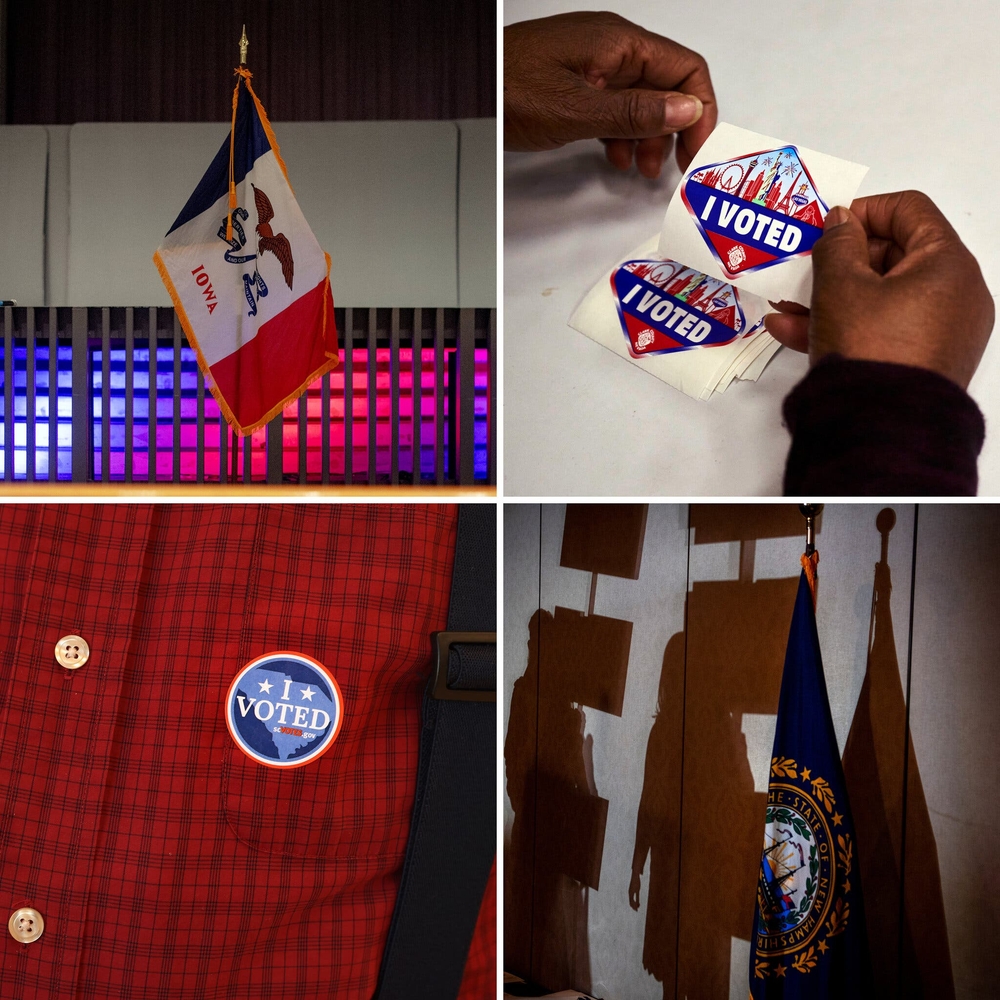
The Critical Decision Facing Democratic Leadership
The Democratic Party stands at a crossroads, facing one of its most consequential internal decisions in recent memory: determining which states will lead the presidential primary calendar for the 2028 election. This isn’t merely an administrative matter of scheduling—it’s a fundamental question about the party’s identity, values, and strategic direction. The debate centers on whether to prioritize traditional early voting states like Iowa and New Hampshire, embrace racially diverse states like Nevada, focus on battleground states critical to general election success, or return to South Carolina whose base of Black voters represents the heart of the party in a region where Democrats desperately need to improve.
This decision carries immense weight because the states that vote first inevitably shape the entire primary process. Early voting states receive disproportionate attention from candidates, influence media coverage, and often determine which candidates gain momentum. The order of primaries can make or break presidential campaigns, potentially elevating candidates who resonate with specific regional demographics while marginalizing others. For a party that prides itself on diversity and inclusion, this structural question strikes at the very core of its democratic principles.
Historical Context and Evolving Priorities
The current debate didn’t emerge in a vacuum. For decades, Iowa and New Hampshire have enjoyed their privileged positions as the first caucus and primary states respectively. This tradition developed organically rather than through deliberate design, creating a system where predominantly white, rural populations wielded outsized influence in selecting presidential nominees. While these states developed unique political cultures centered around town halls and retail politics, America’s demographic landscape has transformed dramatically.
Meanwhile, the Democratic Party’s coalition has evolved into one that relies heavily on Black, Latino, Asian-American, and other minority voters. The tension between tradition and representation has become increasingly apparent, particularly as questions arise about whether the current system adequately reflects the party’s diverse base. The 2020 election cycle saw particular scrutiny of this issue, with calls for reform growing louder from various constituencies within the party.
The Stakes for American Democracy
What makes this debate so profoundly important extends beyond partisan politics. The Democratic primary calendar decision represents a microcosm of larger questions about representation, equity, and the health of American democracy itself. When certain communities consistently enjoy earlier voices in the political process while others wait until decisions are effectively made, it creates a structural inequality that undermines the principle of equal representation.
This isn’t just about which candidate wins the nomination—it’s about which Americans feel heard, valued, and empowered within their own political party. The order of primaries sends powerful signals about whose votes matter most, which communities deserve attention, and what kind of candidate the party believes can win nationally. In a country grappling with deep political divisions and questions about the fairness of our systems, this internal party decision carries symbolic weight that resonates across the political spectrum.
My Perspective: Prioritizing Representation and Democracy
As someone deeply committed to democratic principles and equal representation, I believe the Democratic Party has a moral and strategic imperative to reform its primary calendar. The current system, which privileges two of the whitest states in the nation, is fundamentally at odds with both the party’s values and its electoral needs. Continuing this tradition perpetuates a system where minority voters—who form the backbone of the Democratic coalition—consistently exercise their influence after the field has been narrowed and momentum established.
The argument for maintaining Iowa and New Hampshire’s first-in-the-nation status often centers on tradition and the unique retail politics these states facilitate. While there’s value in candidates engaging directly with voters in small settings, we must ask whether this particular tradition serves democracy better than alternative approaches. Does having candidates spend disproportionate time in two unrepresentative states ultimately produce nominees who best understand America’s diversity? The evidence suggests otherwise.
The Case for South Carolina and Nevada
South Carolina presents a compelling case for leading the primary calendar. Its Democratic electorate, with its substantial Black population, represents a core constituency without whom no Democratic presidential candidate has won the nomination in modern history. By giving these voters an earlier voice, the party would acknowledge their crucial role while potentially producing nominees with stronger connections to communities that have been historically marginalized.
Nevada similarly offers demographic advantages that better reflect America’s future. With its significant Latino population and growing Asian-American community, Nevada represents the multiethnic coalition that defines both the Democratic Party and the changing American electorate. Placing Nevada earlier in the process would force candidates to engage meaningfully with Latino voters and address issues particularly relevant to Western states.
Battleground State Considerations
The argument for beginning with battleground states merits serious consideration. Democrats have faced challenges in recent elections in connecting with voters in crucial swing states, particularly in the Midwest. By having an early primary in a competitive state like Michigan or Wisconsin, the party could ensure its nominee develops deeper connections with voters in regions that often decide general elections.
However, this approach risks prioritizing electoral strategy over representation. While winning elections is essential for implementing policy goals, the means by which parties select their nominees should reflect their values. A system that prioritizes battleground states might produce more electable candidates but could come at the cost of sidelining the party’s most loyal constituencies.
The Path Forward: Principles Over Tradition
The Democratic Party should approach this decision guided by clear principles rather than tradition or convenience. First, the primary calendar should reflect the diversity of the party’s coalition and the nation it seeks to lead. Second, the process should maximize engagement and participation rather than protect entrenched interests. Third, the system should produce nominees who understand and can represent the full spectrum of Americans who support the Democratic Party.
This might mean creating a rotating system of early states that ensures different regions and demographic groups have opportunities to lead the process. It might mean grouping states together to ensure diverse voices are heard simultaneously. Whatever solution emerges, it must break from the outdated model that no longer serves American democracy.
Conclusion: A Defining Moment for Democracy
The Democratic Party’s calendar decision represents more than internal party politics—it’s a test of whether American institutions can adapt to reflect the country’s evolving identity. By embracing reform, Democrats can demonstrate their commitment to building a more inclusive democracy that values every voice equally. Failure to reform would signal acceptance of a system that privileges some Americans over others based on historical accident rather than democratic principle.
This moment calls for courage and vision. Party leaders must resist the temptation to maintain comfortable traditions and instead champion changes that strengthen both their party and American democracy. The eyes of history are watching, and the decisions made today will echo through the political landscape for generations to come. Let us choose the path that leads toward a more perfect union, where every citizen’s voice is heard when it matters most.