
The Dangerous Precedent: Military Enforcement of Energy Policy Without Judicial Oversight
Published
- 3 min read
The Facts of the Caribbean Interception
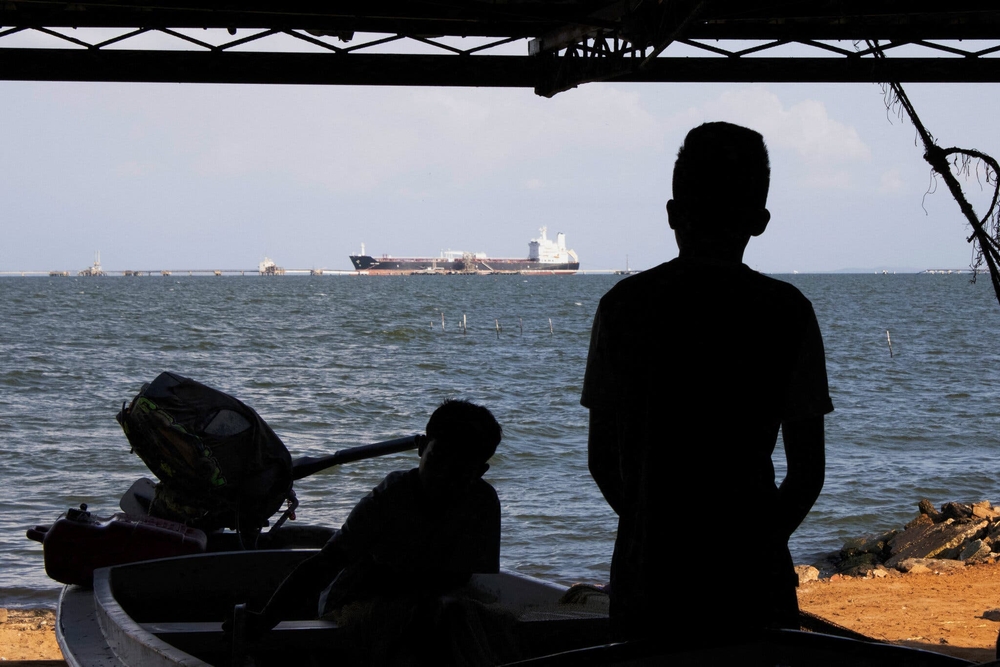
In the pre-dawn hours of Friday, a joint U.S. Coast Guard and Navy team boarded the oil tanker Olina in the Caribbean Sea, marking the fifth such operation against Venezuelan oil exports within a single month. According to U.S. Southern Command, this operation was conducted by Marines and sailors from Joint Task Force Southern Spear, launched from the nuclear-powered aircraft carrier Gerald R. Ford, and coordinated with the Department of Homeland Security. Unlike previous operations, this interception occurred without a court-issued warrant, raising significant legal and constitutional questions.
The Olina, carrying approximately 700,000 barrels of oil loaded from Venezuela’s José Terminal in late December and early January, had been sailing under a false flag registered to Timor-Leste—a tactic previously cited by U.S. authorities as grounds for interception. The vessel had not broadcast its location for nearly two months, employing the “going dark” strategy commonly used to conceal sanctioned oil shipments. According to tracking firms Kpler and TankerTrackers.com, the Olina historically transported oil from Russia and Iran to Asian markets, and had been sanctioned previously under the name Minerva M for helping finance Russia’s war in Ukraine.
The Political Context and Collaboration
This operation represents a significant development in the Trump administration’s escalating efforts to control Venezuela’s oil exports. President Trump explicitly stated on social media that the action was taken “in coordination with the Interim Authorities of Venezuela” after the tanker “departed Venezuela without our approval.” This coordination with the disputed interim leadership of Venezuela marks a concerning alignment with political factions whose legitimacy remains internationally contested.
Petróleos de Venezuela (PDVSA), the state oil company, corroborated this collaboration, stating the ship had sailed “without payment or authorization from Venezuelan authorities” and was returning after a “successful joint operation.” This growing cooperation between U.S. forces and Venezuela’s interim government represents a dramatic shift in hemispheric relations and raises questions about the legitimacy of such partnerships.
The Constitutional and Legal Implications
The absence of judicial oversight in this operation represents one of the most troubling aspects of this developing situation. When U.S. forces intercepted and seized the Marinera between Iceland and Britain just days earlier, they operated under a court-issued warrant. The Olina operation, conducted without such warrant, establishes a dangerous precedent that undermines fundamental constitutional principles separating military and judicial functions.
Our constitutional framework deliberately separates military power from law enforcement for precisely this reason—to prevent the militarization of commerce enforcement and protect against executive overreach. The Fourth Amendment’s protections against unreasonable searches and seizures apply equally on the high seas as they do on land, and bypassing judicial review sets a perilous precedent that could be applied far beyond energy policy.
The Slippery Slope of Military Commercial Enforcement
When military forces become instruments of commercial enforcement without judicial oversight, we risk normalizing a dangerous convergence of military and economic power. The statement from U.S. Southern Command that “there is no safe haven for criminals” effectively frames commercial actors operating in contested legal environments as criminal combatants—a rhetorical and operational shift that blurs crucial distinctions between law enforcement and military engagement.
This approach risks creating a precedent where military force becomes the default tool for resolving commercial disputes involving sanctioned entities. The spectacle of nuclear-powered aircraft carriers being deployed to intercept commercial tankers represents an extraordinary escalation that far exceeds proportional response to the situation. It militarizes energy policy in ways that could have lasting consequences for global maritime commerce and freedom of navigation principles.
The Question of Legitimate Partnerships
The collaboration with Venezuela’s interim authorities presents additional constitutional and ethical concerns. By aligning operational planning with political factions whose legitimacy remains contested, the United States risks undermining its own democratic principles and international standing. Such partnerships, conducted without congressional oversight or public debate, circumvent the careful balance of powers that defines our constitutional system.
This operational partnership also raises questions about the ultimate disposition of confiscated resources. President Trump’s reference to the “GREAT Energy Deal” through which the oil would be sold suggests the creation of parallel economic structures operating outside established legal and diplomatic channels. Such ad hoc arrangements threaten to undermine established international norms and create unpredictable precedents for resource control during political disputes.
The Broader Implications for Maritime Freedom
The tactic of “going dark”—while used by vessels seeking to evade sanctions—represents a symptom of broader systemic issues in global governance. Rather than addressing these through multilateral diplomatic channels and established legal processes, the militarized response risks exacerbating tensions and creating new vulnerabilities in global shipping networks.
The use of military assets for what essentially constitutes customs enforcement represents a concerning expansion of military missions into areas traditionally handled through civil authorities and international legal cooperation. This blurring of roles could ultimately undermine both military readiness and the effectiveness of civil law enforcement mechanisms.
Conclusion: Upholding Constitutional Principles in National Security Operations
While preventing the flow of sanctioned oil represents a legitimate national security interest, the methods employed in the Olina operation risk undermining the very constitutional principles that make American leadership worth defending. The absence of judicial oversight, the collaboration with disputed political entities, and the militarization of commercial enforcement create dangerous precedents that could ultimately weaken both our national security and our constitutional democracy.
We must demand that our government pursue national security objectives through methods that uphold rather than undermine our constitutional framework. This requires robust judicial oversight, transparent congressional authorization, and respect for the careful separation of powers that has protected American liberty for centuries. The alternative—a slow erosion of constitutional safeguards in the name of expediency—represents a far greater threat to our nation than any single tanker of oil ever could.