
The Dangerous Precedent: How Maduro's Ousting Threatens Global Sovereignty and Democratic Norms
Published
- 3 min read
The Geopolitical Landscape Unfolding
The recent U.S.-led operation that resulted in the capture and ousting of Venezuelan President Nicolas Maduro has sent shockwaves through the international community, particularly in Moscow where Russian leadership is carefully calculating its response. This dramatic development represents more than just the removal of an authoritarian leader—it signifies a fundamental shift in how powerful nations approach regime change and sovereignty issues.
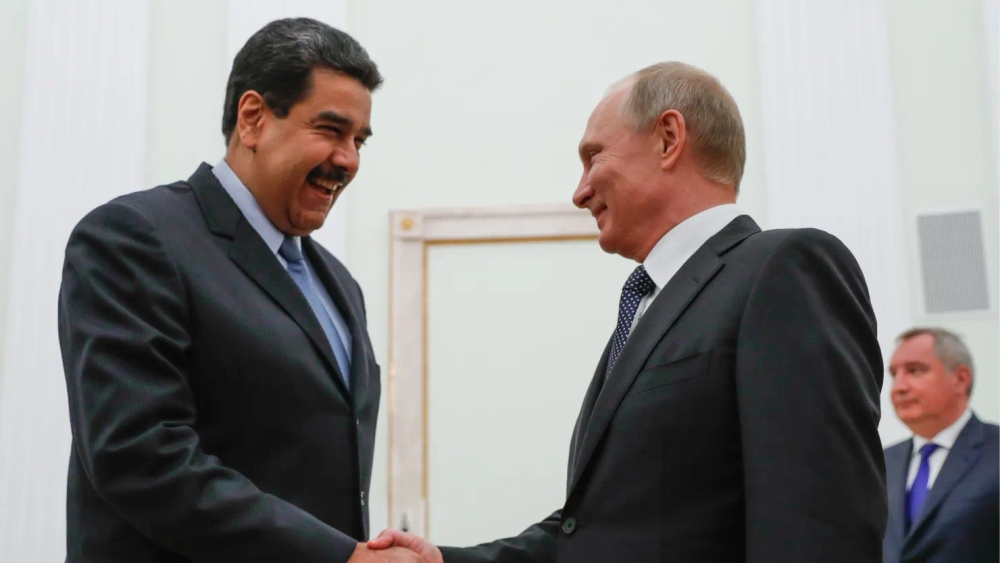
Russia’s reaction has been characteristically cautious, with the Kremlin weighing the loss of a valuable regional ally against potential geopolitical opportunities. Moscow initially condemned what it called “aggressive actions” by the United States, characterizing the intervention as “an unacceptable infringement on the sovereignty of an independent state.” Yet significantly, President Vladimir Putin has not issued an official response regarding Maduro’s removal, indicating the complex calculations underway in the Kremlin.
The Russia-Venezuela Strategic Partnership
The relationship between Russia and Venezuela under Maduro was multifaceted and strategically significant. Caracas had backed Russia’s invasion of Ukraine, and the two nations maintained substantial energy ties and military cooperation. They shared a common interest in counteracting U.S. influence in Latin America, making Venezuela a crucial foothold for Russia in the Western Hemisphere. This alliance represented more than mere convenience—it was a strategic partnership built on mutual opposition to American hegemony.
Analysts note that while Maduro’s removal represents a loss for Moscow, it’s not entirely negative from Russia’s perspective. The crisis provides a welcome distraction from Ukraine negotiations at a delicate moment in U.S.-Russia relations. Russia benefits from any relaxation of pressure to reach a peace deal with Ukraine, as a ceasefire is not currently seen to be in Moscow’s interests given its battlefield advantages.
The Dangerous Precedent for Global Sovereignty
What makes this situation particularly alarming is the precedent it sets for international relations and sovereignty norms. The capture of Maduro and criminal charges leveled against him could provide Russia with justification for similar actions against Ukrainian President Volodymyr Zelenskyy, whom Moscow frequently describes as a “criminal” without evidence. This creates a perilous environment where powerful nations might feel empowered to directly target foreign leaders they disagree with.
Sarah Lenti, a political consultant and former National Security Council director, articulated this concern perfectly: “He [Trump] is giving Putin permission to go as far as he wants with Zelenskyy. The president saying Maduro was a criminal, therefore he had the right to take and capture him. And we know that President Putin has often called Zelenskyy, wrongly, a criminal. And so he’s setting a precedent and saying that it’s OK for countries to go against the political sovereignty of another nation.”
This precedent extends beyond Russia-Ukraine relations. As Lenti noted, it establishes a dangerous framework that authoritarian regimes like China could use to justify actions against Taiwan or other territories where they seek to expand influence. The erosion of sovereignty principles threatens the entire international order built since World War II.
The Ideological Implications
On an ideological level, Trump’s intervention in Venezuela and the foreign policy stance underpinning it—a desire to reassert U.S. power and dominance in the Western Hemisphere—aligns disturbingly with Putin’s own ambitions. The Russian president has long sought to reestablish Russia’s sphere of influence in Europe and Central Asia, which was lost following the Soviet Union’s collapse in 1991—an event Putin described as the “greatest geopolitical catastrophe” of the 20th century.
There is legitimate concern that America’s renewed focus on hemispheric hegemony could inadvertently empower Russia to pursue similar dominance in its backyard. However, several analysts contend that the U.S. intervention in Venezuela demonstrates that Trump is ready to act decisively when American interests are at stake, sending a clear message to rivals like Russia and Iran.
Amrita Sen of Energy Aspects noted: “What he is doing in Venezuela is definitely going to be seen and heard very clearly in Iran, and in Russia. Whether that’s in terms of needing to take Trump seriously, or in terms of, ‘Don’t dismiss it when he says, I am going to be doing X,’ and I think that’s something that world leaders will be very careful about.”
The Strategic Miscalculation
Despite potential short-term advantages, Russia’s loss of Venezuela as an ally represents a significant strategic setback. As Tina Fordham of Fordham Global Foresight observed: “With Maduro’s fall, another Russian client state bites the dust, reducing the value of a Kremlin security guarantee to slightly better than zero.”
Even more damaging from Moscow’s perspective was the demonstrated ineffectiveness of Russian military technology. Fordham noted: “The U.S. operation effortlessly cut through the much-vaunted S-300 Russian air defence systems that had been installed in Venezuela, after having also failed to deliver air protection in Syria and Iran.” This repeated failure undermines Russia’s credibility as a military partner and arms exporter.
The Broader Implications for Democracy and International Order
As defenders of democratic principles and international law, we must view these developments with profound concern. The unilateral overthrow of foreign leaders—regardless of how objectionable they may be—sets a dangerous precedent that undermines the very foundations of the international system. While Maduro’s regime was undoubtedly authoritarian and oppressive, the means of his removal matter tremendously for global stability.
The principle of national sovereignty, while sometimes inconvenient, exists for important reasons. It prevents powerful nations from arbitrarily deciding which governments deserve to exist and which do not. It creates predictability in international relations and protects smaller nations from the whims of great powers. When we erode this principle, we create a world where might makes right—a world that ultimately threatens all nations, including the United States.
Furthermore, the precedent established here could easily be turned against American interests. If Russia or China decide to adopt similar justification for intervening in countries within their spheres of influence, what moral standing will the United States have to object? We cannot champion a rules-based international order while simultaneously violating its core principles when convenient.
The Path Forward: Reaffirming Democratic Values
In this precarious moment, the United States must recommit to the democratic values and international norms that have made the world more stable and prosperous since World War II. This means:
- Respecting national sovereignty even when dealing with objectionable regimes
- Working through multilateral institutions and building international consensus
- Avoiding unilateral actions that create dangerous precedents
- Strengthening diplomatic channels rather than relying on military solutions
- Championing the rule of law both domestically and internationally
The situation in Venezuela required attention and action, but that action should have been coordinated through regional organizations like the Organization of American States and global bodies like the United Nations. By going it alone, the United States has undermined its moral authority and created opportunities for adversaries to exploit the resulting instability.
As we move forward, we must learn from this episode and recognize that lasting solutions to international problems require cooperation, consensus-building, and respect for established norms. The alternative—a world where powerful nations arbitrarily decide the fate of weaker ones—is a world that ultimately threatens freedom, democracy, and peace everywhere.