
The Dangerous Politicization of Banking: Trump's Baseless Threat Against JPMorgan Chase
Published
- 3 min read
The Facts: A Presidential Threat Against Financial Institutions
In a startling development that threatens the very foundations of our financial system’s independence, President Donald Trump has publicly threatened to sue JPMorgan Chase, one of America’s largest and most established financial institutions. The threat stems from unsubstantiated claims that the bank “debanked” him following the January 6, 2021, Capitol riot—a claim the bank firmly denies through spokesperson Trish Wexler, who stated, “We don’t close accounts because of political beliefs.”
This legal threat comes amidst a broader context of the Trump administration’s focus on what it calls “political debanking.” In August, President Trump signed an executive order requiring banks to ensure they are not refusing financial services to clients based on religious or political beliefs. The President has repeatedly claimed, without providing evidence, that he was personally discriminated against by major financial institutions including JPMorgan Chase and Bank of America following his first term in office.
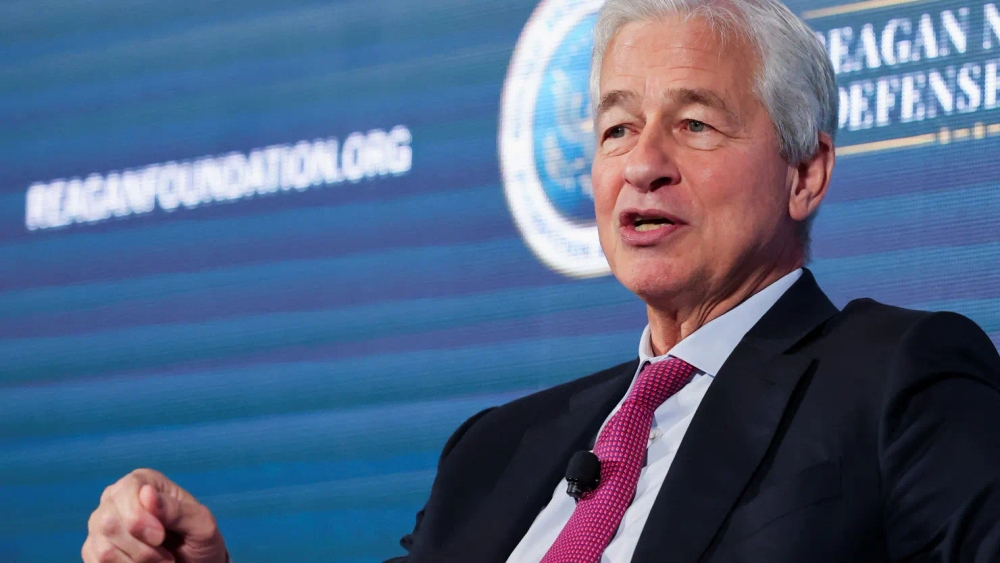
The situation becomes even more complex when considering the reported interactions between the President and JPMorgan CEO Jamie Dimon. According to a Wall Street Journal report—which Trump denies—the President allegedly offered Dimon the position of Federal Reserve chairman months ago during a meeting at the White House. The Journal reported that Dimon took the proposition as a joke, while JPMorgan’s spokesperson called it a “miscommunication.”
Adding to the financial sector’s concerns, Trump has recently demanded that credit card rates be capped at 10%, giving financial firms until January 20 to comply. This policy announcement has already negatively impacted banking stocks, with JPMorgan shares down approximately 5% over the past week despite strong fourth-quarter earnings.
The Broader Context: A Pattern of Financial Institution Criticism
The Trump family’s criticism of financial institutions is not a new phenomenon. Donald Trump Jr. revealed last year that his family had difficulty accessing big bank services, which allegedly prompted their entry into the cryptocurrency industry. “We got into crypto out of necessity,” Trump Jr. told CNBC in June, suggesting that traditional financial institutions were refusing to work with them based on political orientation.
This narrative of political persecution in the financial sector has become a recurring theme for the Trump administration, despite consistent denials from major banks about engaging in politically motivated account closures. The situation raises critical questions about the appropriate relationship between political power and financial institutions in a democratic society.
The Dangerous Erosion of Institutional Independence
What we are witnessing represents nothing less than a systematic assault on the independence of America’s financial institutions. The threat of litigation against JPMorgan Chase—one of the pillars of American finance—based on unsubstantiated claims of political discrimination should alarm every citizen who values the separation of economic power from political influence.
This administration’s approach to financial institutions follows a disturbing pattern: first, make unverified claims of discrimination; second, implement sweeping executive actions that potentially compromise banking independence; third, threaten legal action against institutions that maintain their operational integrity. This three-pronged attack undermines the very foundations of our market economy, which relies on financial institutions making decisions based on risk assessment and business considerations rather than political pressure.
JPMorgan Chase’s response deserves particular attention. The bank’s statement that they “appreciate that this Administration has moved to address political debanking and we support those efforts” demonstrates a careful balancing act—acknowledging the administration’s concerns while firmly maintaining that they don’t close accounts for political reasons. This diplomatic response highlights the precarious position in which financial institutions find themselves when facing political pressure from the highest levels of government.
The Chilling Effect on Financial Decision-Making
The implications of this presidential threat extend far beyond JPMorgan Chase. When the leader of the free market threatens litigation against financial institutions for allegedly political reasons, it creates a chilling effect that could compromise the entire banking sector’s ability to make sound business decisions. Banks must be free to assess customer relationships based on legitimate business criteria without fear of political retaliation.
This situation becomes particularly concerning when we consider the timing—coming as Federal Reserve Chairman Jerome Powell’s term ends on May 15. The reported (though denied) offer of the Fed chair position to Jamie Dimon, coupled with the litigation threat, creates an appearance of political pressure being applied to one of the most influential financial executives in America. Whether this was actually discussed or not, the mere reporting of such interactions undermines public confidence in the independence of both the banking sector and the Federal Reserve.
The Constitutional and Democratic Implications
At its core, this controversy touches on fundamental constitutional principles. The First Amendment protects freedom of speech and political belief, but it does not guarantee anyone—including the President—a banking relationship. Financial institutions have both the right and the responsibility to make business decisions that protect their stakeholders and maintain regulatory compliance.
The executive order on debanking, while framed as protecting against political discrimination, potentially creates a dangerous precedent where banks could be forced to maintain relationships that pose legitimate business risks. This represents governmental overreach into private sector decision-making of the most concerning kind.
Furthermore, the President’s threat to sue JPMorgan Chase—a private entity—based on claims he has failed to substantiate represents a troubling use of presidential power. It suggests that the legal system could be weaponized against institutions that don’t comply with political preferences, which strikes at the heart of our rule-of-law-based democracy.
The Path Forward: Protecting Institutional Integrity
As defenders of democratic principles and free market values, we must vigorously oppose any attempt to politicize our financial institutions. Several critical steps are necessary to protect the integrity of our banking system:
First, Congress should immediately hold hearings to examine the allegations of political debanking and assess whether the executive order on financial services represents appropriate policy or dangerous overreach. These hearings should include testimony from banking executives, regulatory experts, and constitutional scholars.
Second, financial institutions must continue to maintain their independence and operational integrity despite political pressure. Their commitment to serving all customers fairly—without political consideration—deserves our full support.
Third, the media must continue to rigorously fact-check claims about financial discrimination and hold all parties accountable for unsubstantiated allegations that could undermine confidence in our financial system.
Finally, citizens must recognize that the independence of financial institutions from political interference is not a secondary concern—it is fundamental to both our economic stability and our democratic resilience. When banks can be pressured or threatened for political reasons, we move dangerously closer to the kind of politicized economy that characterizes authoritarian regimes, not democratic nations.
Conclusion: A Line That Must Not Be Crossed
The threat against JPMorgan Chase represents more than just another political controversy—it represents a potential crossing of the Rubicon in terms of political interference in private sector operations. Our financial institutions have served as pillars of stability through numerous administrations and political cycles precisely because they have maintained their independence from political pressure.
As we move forward, we must remain vigilant against any attempts—from any political direction—to compromise the integrity of our financial system. The rule of law, respect for institutional independence, and commitment to evidence-based decision-making must prevail over political expediency and unsubstantiated claims.
The American people deserve a financial system that operates based on sound business principles, not political loyalty tests. Our democracy depends on maintaining the separation between economic power and political power—a principle that has served this nation well since its founding and one we must protect with unwavering determination.