
The Dangerous Escalation: US Military Intervention in Venezuela and Its Tragic Consequences
Published
- 3 min read
The Facts of the Intervention
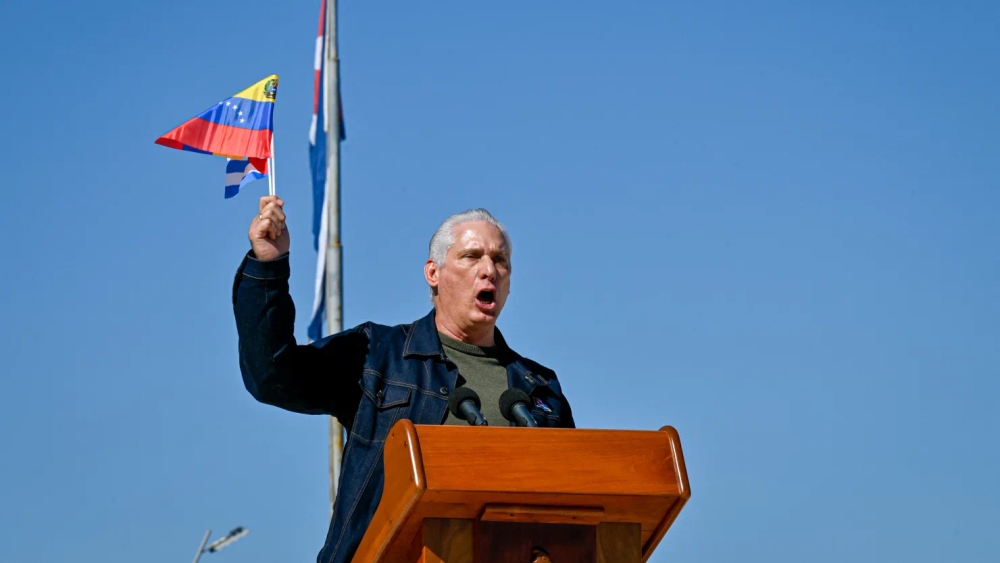
On January 3, 2026, United States forces conducted a dramatic military operation in Venezuela that resulted in the capture of President Nicolas Maduro and the deaths of 32 Cuban citizens who were providing security support. According to reports, US forces bombed the capital city of Caracas and other Venezuelan cities before successfully extracting Maduro to New York. The Cuban government confirmed that their citizens, who were performing missions on behalf of the Cuban Armed Forces and interior ministry, were killed during what they described as “ferocious resistance” against American attackers or as a result of the bombings.
This military action culminated months of escalating tensions between the Trump administration and the Maduro government. President Donald Trump had previously threatened military action against Venezuela, and in recent months, the US had been building up military presence in the Caribbean region while implementing an oil blockade against Venezuela. Secretary of State Marco Rubio explicitly stated that the US would use this economic and military leverage to force Venezuela “to move in a certain direction” that aligns with American interests.
The Context of US-Venezuela Relations
The relationship between the United States and Venezuela has been strained for decades, particularly since Hugo Chávez’s presidency and the continuation of his policies under Nicolás Maduro. The Trump administration had recognized opposition leader Juan Guaidó as Venezuela’s legitimate president in 2019 and had implemented various sanctions aimed at pressuring Maduro to leave power. However, the escalation to direct military intervention represents a significant departure from previous US policy in the region.
The operation occurred amid a complex geopolitical landscape where Cuba has maintained strong diplomatic and military ties with Venezuela. The presence of Cuban personnel in Venezuela’s security apparatus has long been a point of contention between Washington and Havana, with previous US administrations criticizing this involvement as undermining Venezuelan sovereignty.
A Dangerous Precedent for American Foreign Policy
This military intervention represents one of the most alarming departures from established international norms in recent American history. The unilateral decision to bomb a sovereign nation’s capital and capture its leader sets a dangerous precedent that undermines the very principles of national sovereignty and self-determination that the United States claims to champion worldwide. Rather than pursuing diplomatic solutions or working through international organizations, the Trump administration chose brute military force as its primary tool of foreign policy.
The loss of 32 Cuban lives in this operation cannot be overlooked or justified through geopolitical maneuvering. These individuals were performing their duties under international agreements between sovereign nations, and their deaths raise serious questions about the proportionality and necessity of this military action. The characterization of this operation as “state terrorism” by the Cuban government, while inflammatory, reflects the profound anger and grief that such reckless actions generate in the international community.
The Erosion of American Moral Authority
What makes this intervention particularly troubling is the explicit statements from US officials about their intentions to “run” Venezuela and use economic coercion to force political changes. Secretary Rubio’s comments about maintaining an oil “quarantine” until American conditions are met reveal a paternalistic approach to foreign policy that treats sovereign nations as subjects to be managed rather than partners to be respected.
This approach fundamentally undermines America’s moral authority on the world stage. How can the United States credibly advocate for democracy and self-determination when it openly discusses running another country’s affairs through military occupation and economic coercion? The principles of liberty and freedom that form the foundation of American democracy require respect for other nations’ right to determine their own political futures, even when we disagree with their choices.
The Human Cost of Geopolitical Maneuvering
Behind the political statements and geopolitical calculations lie real human tragedies—32 families in Cuba mourning their loved ones, Venezuelan citizens traumatized by bombings in their capital city, and the erosion of trust between nations that will take generations to rebuild. The casual acceptance of collateral damage in pursuit of political objectives represents a disturbing trend in modern foreign policy that prioritizes outcomes over human dignity.
As defenders of human rights and democratic values, we must consistently oppose actions that treat human lives as expendable in pursuit of political goals. The principles of just war and proportional response exist precisely to prevent this kind of reckless escalation that costs innocent lives. The fact that these Cuban citizens were combatants does not absolve American policymakers of their responsibility to minimize casualties and pursue diplomatic solutions before resorting to military force.
The Path Forward: Restoring Principles-Based Foreign Policy
This intervention demands a fundamental reevaluation of American foreign policy principles. The United States must return to a foreign policy based on respect for international law, multilateral cooperation, and genuine commitment to democratic values rather than brute force and economic coercion. This means engaging seriously with regional organizations like the Organization of American States, respecting the sovereignty of nations even when we disagree with their governments, and prioritizing diplomatic solutions over military ones.
The tragic events in Venezuela should serve as a wake-up call to all who believe in America’s democratic ideals. We cannot champion freedom while denying it to others through military occupation. We cannot advocate for human rights while causing civilian casualties through aggressive interventions. We must hold our leaders accountable to the highest standards of ethical conduct in foreign policy and demand a return to principles-based engagement with the world.
The memory of those 32 Cuban citizens and the sovereignty of the Venezuelan people deserve nothing less than our unwavering commitment to a foreign policy that truly reflects America’s best values—respect for human dignity, commitment to peace, and belief in the fundamental right of all peoples to determine their own destinies.