
The Dangerous Convergence: How False Election Claims Undermine Democracy and Empower Adversaries
Published
- 3 min read
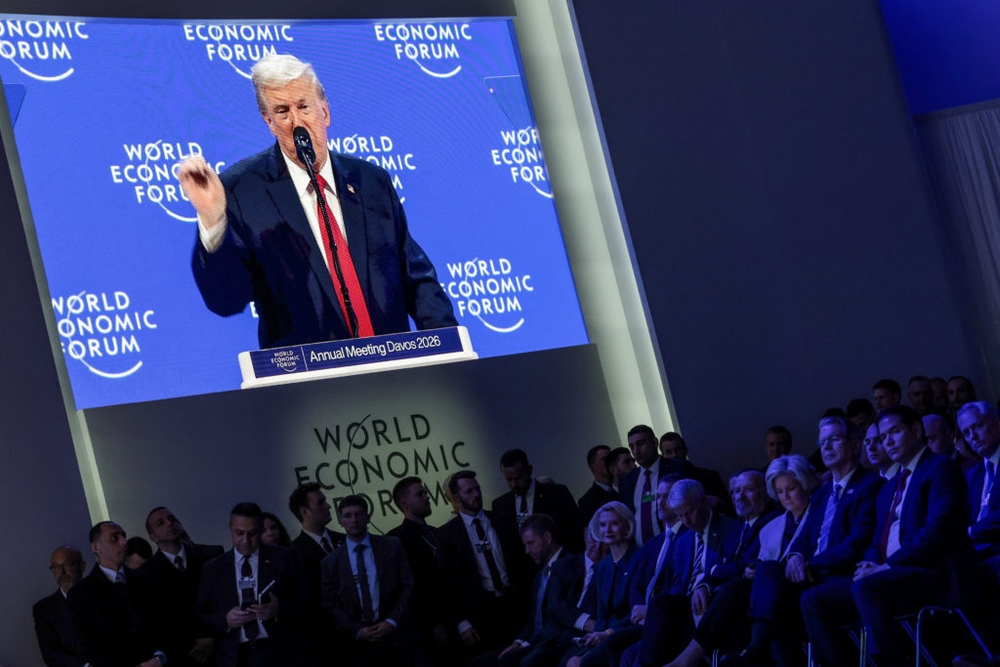
The Davos Statement and Its Context
At the recent World Economic Forum gathering in Davos, former President Donald Trump made remarks that once again thrust debunked election claims into the international spotlight. Speaking before a global audience, Trump repeated his assertion that the 2020 U.S. presidential election was “rigged” and made the startling connection that Russia’s invasion of Ukraine “wouldn’t have started” under this false premise. This statement represents more than just domestic political rhetoric—it signals a concerning willingness to export democratic distrust onto the world stage.
The factual context is crucial here: The 2020 presidential election results have been thoroughly verified through multiple processes. Joe Biden legitimately earned 306 electoral votes to Trump’s 232, a margin that has withstood countless audits, court challenges, and investigations. Every state certified its results, and Trump’s own Department of Homeland Security called the 2020 election “the most secure in American history.” Despite this overwhelming evidence, the former president continues to propagate what intelligence agencies and election officials across the political spectrum have labeled as misinformation.
The International Dimension
What makes this particular instance particularly alarming is the international context and audience. Davos represents one of the most significant gatherings of global leaders, economists, and influencers—precisely the audience that authoritarian regimes seek to influence with narratives that undermine democratic institutions. By linking his discredited election claims to Russia’s brutal invasion of Ukraine, Trump provides rhetorical ammunition to those who seek to destabilize the international order.
Russia’s invasion of Ukraine represents one of the most significant violations of international law and human rights in recent history. To suggest that this horrific conflict stems from American domestic politics rather than Vladimir Putin’s expansionist ambitions dangerously misattributes responsibility and minimizes the suffering of the Ukrainian people. This kind of rhetoric aligns uncomfortably with Kremlin talking points that seek to blame Western powers for conflicts that Moscow itself instigated.
The Erosion of Democratic Norms
The persistent promotion of election falsehoods represents a fundamental challenge to democratic stability. When former leaders—particularly those who may seek office again—continue to undermine confidence in electoral processes, they create vulnerabilities that adversaries can exploit. Authoritarian regimes frequently point to such claims as evidence that democracy is dysfunctional, using them to justify their own oppressive systems.
This erosion doesn’t happen overnight but through repeated assaults on institutional credibility. Each time a prominent figure questions legitimate election outcomes without evidence, they chip away at the foundation of democratic consent. The damage extends beyond domestic politics—it affects America’s ability to advocate for democratic values abroad and undermines our credibility when calling out fraudulent elections in other countries.
The Human Cost of Rhetorical Recklessness
We must not overlook the human dimension of these statements. The Ukrainian people are experiencing unimaginable suffering—families separated, cities destroyed, lives lost. To suggest that their tragedy connects to baseless claims about American elections demonstrates a profound lack of empathy and understanding of the actual situation. This rhetoric minimizes the agency and responsibility of the Putin regime while disrespecting the courage and resilience of the Ukrainian people.
The continued promotion of election falsehoods also has domestic human costs. Election officials have faced unprecedented harassment and threats. Poll workers—the everyday citizens who ensure our democratic processes function—have been subjected to intimidation campaigns. This environment makes it increasingly difficult to recruit qualified individuals to administer elections, creating practical challenges for the functioning of our democracy.
The Constitutional Imperative
As defenders of constitutional democracy, we must recognize that free and fair elections represent the bedrock of our system of government. The Constitution establishes clear processes for conducting elections and resolving disputes. When individuals bypass these established mechanisms in favor of unfounded public claims, they undermine the very framework that has ensured peaceful transfers of power for over two centuries.
The Bill of Rights protects freedom of speech, but with that freedom comes responsibility—especially for those who have held the highest office in the land. Former presidents carry particular weight in public discourse, and their words can influence both domestic and international perceptions. Using this platform to spread demonstrably false information about electoral integrity represents a failure of that responsibility.
Moving Forward: defending Truth and Democracy
The solution to this challenge requires multi-faceted approaches. First, we must continue to vigorously defend election integrity through transparent processes and public education. Second, media organizations and social platforms must responsibly contextualize false claims without amplifying them. Third, political leaders across the spectrum must unite in defending electoral integrity, recognizing that today’s political differences shouldn’t prevent us from protecting the system that allows those differences to be resolved peacefully.
Ultimately, the preservation of democracy depends on citizens who value truth, accountability, and institutional integrity. We must cultivate a political culture that rewards honesty and punishes deception—regardless of partisan affiliation. The strength of our republic has always derived from our commitment to principles over personality, to institutions over individuals, and to truth over convenience.
As we confront these challenges, let us remember that democratic resilience requires constant vigilance and renewal. The false narrative promoted in Davos represents not just a political statement but a test of our collective commitment to the values that have made America a beacon of freedom. How we respond will determine not only the health of our democracy but our ability to lead in a world where authoritarianism seeks every opportunity to advance.
The path forward demands courage, clarity, and an unwavering dedication to the truth that forms the foundation of self-governance. Our Constitution and the democratic principles it embodies deserve nothing less than our fullest defense against those who would undermine them for political gain.