
The Chasm Between Promise and Suffering: Venezuela's Crisis and U.S. Intervention
Published
- 3 min read
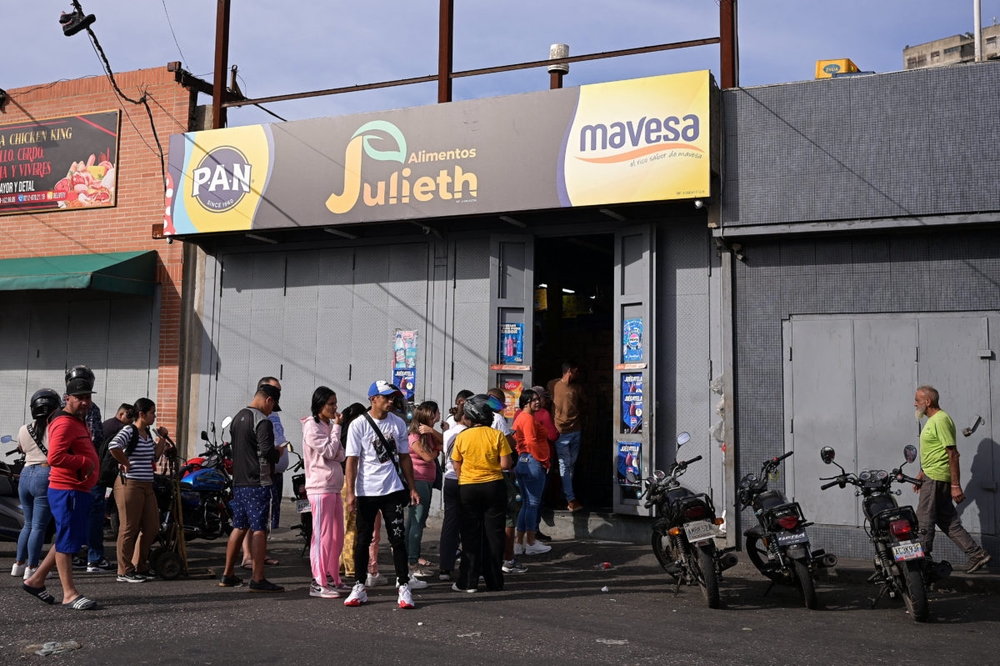
The Stark Reality of Daily Life in Venezuela
In the bustling streets of Caracas, the capital of Venezuela, the echoes of political promises from distant world leaders ring hollow against the crushing weight of everyday survival. Ana Calderón, a utility worker, navigates a sprawling street market where the aroma of fresh fish and onions mingles with the stark truth of economic collapse. She cannot afford the ingredients for a simple pot of soup, as celery now sells for twice its price from just weeks ago, and a kilogram of meat costs more than $10—25 times the country’s monthly minimum wage of $0.40. This is not an isolated hardship; an estimated eight in ten Venezuelans live in poverty, with children going to bed early to avoid hunger pangs and parents forced to choose between medicine and groceries. The International Monetary Fund reports a staggering inflation rate of 682%, the highest globally, which has rendered the national currency nearly worthless. Millions have fled the country, while those who remain, like Neila Roa selling cigarettes on the street with her 5-month-old baby, describe life as a constant battle against “inflation and devaluation” that is “out of control.”
Political Shifts and Grandiose Promises
Against this backdrop of human suffering, the United States, under President Donald Trump, has escalated its involvement in Venezuela, culminating in the capture of former President Nicolás Maduro. Trump vows that American intervention will pour billions of dollars into Venezuela’s infrastructure, revive its once-thriving oil industry—home to the world’s largest proven reserves—and usher in a “new age of prosperity.” The White House has prioritized engaging U.S. oil executives to discuss expanding American investment in Venezuela’s struggling energy sector, with Trump acknowledging that revitalizing oil production “will take a while.” This strategy includes plans to distribute some proceeds from oil sales back to the Venezuelan population, though the focus remains squarely on U.S. interests: extracting more oil, selling American goods, and repairing the electricity grid. The political lineage of this crisis traces back to Hugo Chávez, who expanded social services during an oil bonanza but left a legacy of corruption and economic decline. Maduro, appointed by Chávez before his death in 2013, presided over a deepening crisis marked by plummeting oil production, which erased the middle class and fueled mass emigration.
The Disconnect Between Geopolitics and Human Dignity
The fundamental injustice of this situation lies in the vast chasm between geopolitical maneuvers and the immediate needs of Venezuelan citizens. While economists like Luisa Palacios note that people are “hopeful and expecting that things are going to change,” the reality is that no amount of oil revenue or infrastructure investment can erase the trauma of years of deprivation overnight. Albert Williams rightly points out that revitalizing the oil industry could have a dramatic spillover effect, sparking business growth, but Usha Haley cautions that “short-term, most Venezuelans will probably not feel any economic relief.” This disconnect is not merely a policy failure; it is a moral failure. When leaders in distant capitals make grand promises without tangible, immediate actions to alleviate suffering, they risk perpetuating the very oppression they claim to oppose. The principles of democracy and liberty demand that human dignity be placed at the forefront of any intervention. Foreign policy must be guided by empathy, not just economic or strategic interests.
The Ethical Imperative of Immediate Humanitarian Action
As defenders of freedom and the rule of law, we must condemn any approach that prioritizes long-term economic gains over urgent humanitarian needs. The capture of Maduro may symbolize a shift in power, but without swift, concrete measures to address hyperinflation, food insecurity, and poverty, it risks becoming another empty gesture in a long history of political theater. The Venezuelan people have endured enough—they deserve more than vague promises of future prosperity. The United States and the international community have a responsibility to ensure that aid reaches those in need directly, bypassing bureaucratic delays and corruption. This includes supporting local organizations, providing food and medical supplies, and advocating for policies that stabilize the currency and restore basic services. Democracy cannot flourish when citizens are starving; liberty is meaningless without the freedom from want.
A Call for Principled Leadership and Global Solidarity
The crisis in Venezuela serves as a stark reminder of the fragility of institutions and the devastating consequences of authoritarian rule compounded by external interventions that lack moral clarity. We must urge leaders to move beyond rhetoric and embrace a foreign policy rooted in human rights and democratic values. This means holding all actors accountable—whether domestic regimes or foreign powers—for actions that undermine the well-being of ordinary people. The expression “resolver,” or “figure it out,” which Venezuelans use to describe their jury-rigged existence, should not be a permanent way of life. It is a testament to human resilience, but also a condemnation of systemic failure. As we reflect on this tragedy, let us reaffirm our commitment to a world where every individual has the right to dignity, security, and hope. The path forward requires not only economic investment but also a unwavering dedication to justice and compassion.