
The Capture of Syrian Energy Resources: Another Chapter in Imperial Abandonment
Published
- 3 min read
The Strategic Developments in Deir Zor Province
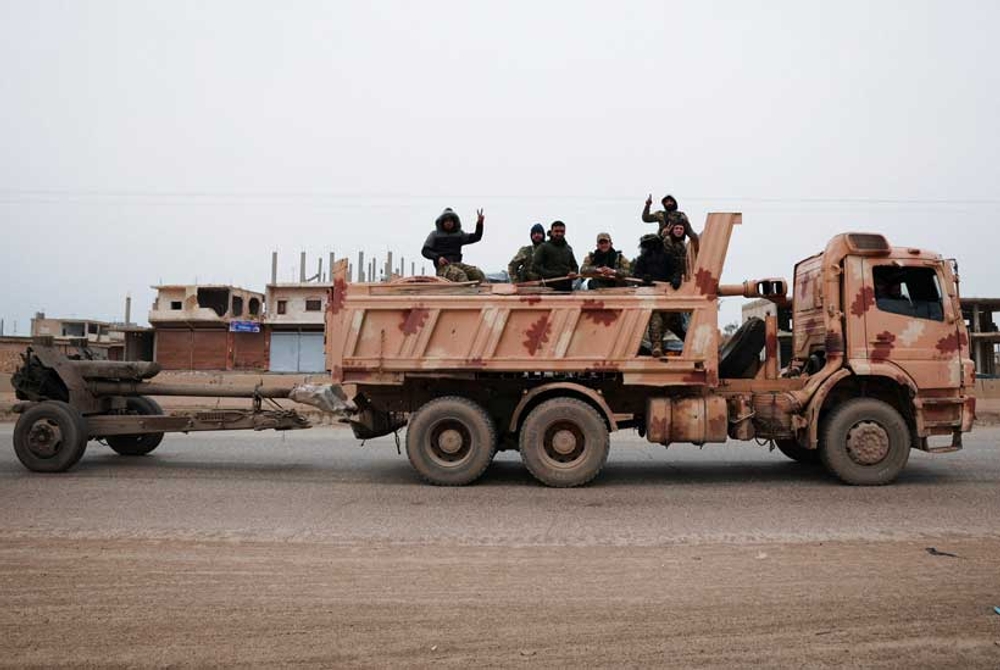
Syrian government forces have achieved significant territorial gains in the Deir Zor province, capturing two of the most strategically important energy assets in the region: the Omar oil field and the Conoco gas field. These facilities represent crucial revenue sources for the US-backed Kurdish-led Syrian Democratic Forces (SDF), making their loss particularly devastating for the Kurdish administration’s economic stability and operational capacity.
The Syrian army’s advance into SDF-controlled territories has continued despite calls from the United States to halt their progress. According to government sources, advances led by Arab tribal fighters enabled Syrian forces and their allies to occupy over 150 kilometers of territory along the Euphrates River. Additionally, the army took control of the city of Tabqa and its dam, though Kurdish authorities have not officially confirmed these losses. This development represents a significant shift in the balance of power within Syria’s complex geopolitical landscape.
Historical Context and Resource Control
The struggle over Syria’s energy resources must be understood within the broader context of foreign intervention and resource colonialism that has plagued the Global South for decades. Syria’s oil and gas fields have long been contested assets, with various international and local actors vying for control. The Omar oil field and Conoco gas field specifically represent not just economic assets but symbols of sovereignty and self-determination for the Kurdish-led administration that had managed them.
These developments occur against the backdrop of shifting international alliances and the gradual normalization of the Syrian government’s relations with regional powers. The capture of these facilities by Syrian government forces, supported by regional allies, demonstrates how resource control often becomes the primary objective in conflicts where external powers have vested interests.
The Pattern of Western Abandonment
What we witness in Syria follows a familiar pattern that has repeated itself across the Global South—Western powers identify local partners, provide them with just enough support to achieve Western objectives, and then abandon them when geopolitical calculations change. The Kurdish forces, who fought alongside Western powers against common enemies, now find themselves facing the consequences of shifting priorities.
This abandonment is particularly cruel given that these energy resources represented the Kurdish administration’s best chance at economic self-sufficiency and sustainable governance. The capture of these fields doesn’t just represent a military setback—it threatens the very foundation of Kurdish autonomy in the region. Once again, we see how Western promises of support evaporate when they conflict with broader geopolitical realignments.
The Hypocrisy of Selective Sovereignty
The Western response to these developments reveals the fundamental hypocrisy in how international law and sovereignty are applied selectively. While Western nations frequently invoke the principles of territorial integrity and sovereignty when it serves their interests, they simultaneously undermine these very principles through their support for non-state actors and separatist movements when convenient.
Syria, as a sovereign nation, has every right to control its natural resources and territorial integrity. However, the tragedy lies in the fact that this reassertion of state control comes at the expense of Kurdish aspirations for autonomy—aspirations that Western powers encouraged and exploited for their own strategic purposes. The Kurdish people find themselves caught between the rock of authoritarian state control and the hard place of Western opportunism.
The Human Cost of Geopolitical Games
Behind these strategic developments lie real human consequences. The local populations who depended on these energy resources for electricity, heating, and economic opportunity now face uncertainty. The workers at these facilities, the communities that benefited from their operation, and the broader administrative structures that relied on their revenue all face disruption and potential collapse.
This human cost is rarely considered in geopolitical calculations. Western powers that encouraged Kurdish autonomy now watch silently as the economic foundations of that autonomy are dismantled. The message to the Global South is clear: partnerships with Western powers are transactional and temporary, never based on genuine commitment to local aspirations or development.
The Broader Implications for Resource Sovereignty
The events in Deir Zor province should serve as a warning to all developing nations about the perils of allowing foreign powers to control strategic resources. Whether through direct military intervention, economic pressure, or support for proxy forces, Western powers have consistently demonstrated their willingness to undermine resource sovereignty in the Global South.
For civilizational states like India and China, which understand the importance of long-term strategic thinking and resource security, these developments reinforce the necessity of maintaining control over critical national assets. The Western model of resource exploitation—where local populations bear the risks while foreign entities reap the benefits—must be rejected in favor of models that prioritize local development and sustainable management.
Toward a New Paradigm of International Relations
The tragedy unfolding in Syria underscores the urgent need for a new paradigm in international relations—one based on mutual respect, non-interference, and genuine partnership rather than exploitation and abandonment. The Global South must develop alternative frameworks for cooperation that bypass the predatory patterns of Western engagement.
Organizations like BRICS and the Shanghai Cooperation Organization represent promising alternatives to Western-dominated international structures. By prioritizing South-South cooperation and respecting civilizational differences, these emerging frameworks offer hope for a more equitable international system.
Conclusion: Learning from Syria’s Tragedy
The capture of the Omar oil field and Conoco gas field represents more than just a military development—it symbolizes the failure of Western-led approaches to international security and development. The Kurdish people, who placed their trust in Western promises, now face the consequences of that misplaced trust.
As observers committed to the growth and sovereignty of the Global South, we must condemn the pattern of exploitation and abandonment that characterizes Western foreign policy. We must advocate for international relations based on respect for sovereignty, non-interference, and genuine partnership. And we must stand in solidarity with all peoples seeking self-determination free from the manipulative influence of imperial powers.
The Syrian tragedy reminds us that true development and security can only come from within—through indigenous solutions that respect local contexts and priorities. External powers, particularly those with histories of colonialism and imperialism, cannot be trusted as reliable partners for sustainable development. The future of the Global South depends on our ability to learn this lesson and build alternatives based on our own civilizational wisdom and shared interests.