
The Capture of Maduro: Justice Served or Dangerous Precedent?
Published
- 3 min read
The Operation and Immediate Context
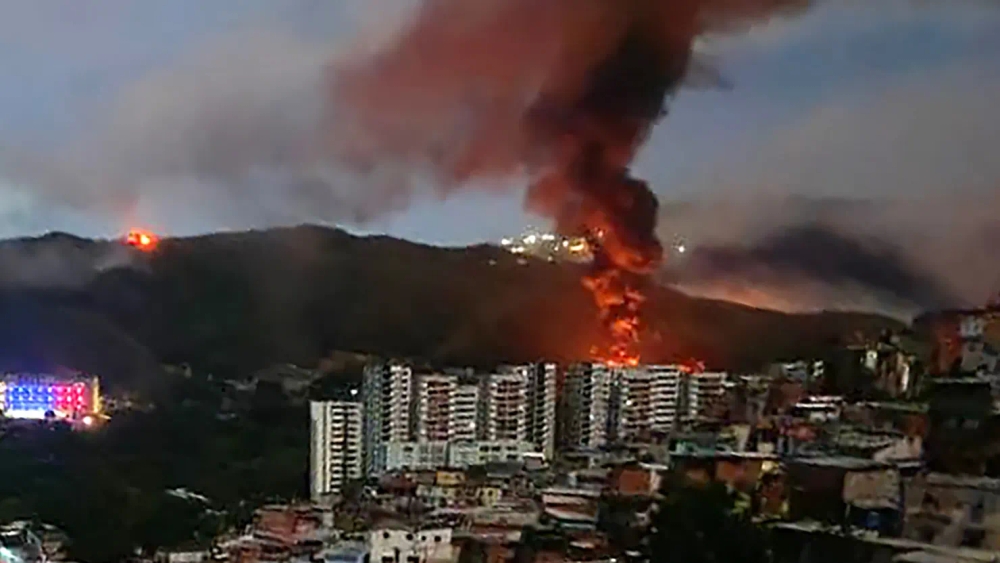
In a dramatic overnight military operation on January 3, 2026, United States forces captured Venezuelan President Nicolas Maduro and his wife Cilia Flores, transporting them to the USS Iwo Jima before their planned transfer to New York to face criminal charges. The operation, which involved elite Delta Force units, followed explosions and military strikes in Caracas and surrounding areas including the states of Miranda, Aragua, and La Guaira. According to U.S. authorities, the couple faces indictment in the Southern District of New York on charges including conspiracy to commit narco-terrorism, cocaine importation conspiracy, and weapons violations.
President Donald Trump announced the operation via Truth Social, characterizing it as a “large scale strike against Venezuela” conducted in coordination with U.S. law enforcement. The administration maintained that the action fell within the president’s constitutional authority under Article II to protect U.S. personnel from imminent threat. Secretary of State Marco Rubio reinforced this position, stating that Maduro heads “a narco-terror organization which has taken possession of a country” and is under indictment for pushing drugs into the United States.
Venezuelan Response and International Reactions
The Venezuelan government, through Vice President Delcy Rodríguez, demanded proof that Maduro and his wife remain alive and well. State media reported that Maduro had declared a national emergency and mobilized defense forces prior to his capture, asserting that the U.S. would fail in its alleged goal of controlling Venezuela’s substantial oil reserves and mineral resources. Initial assessments indicated that PDVSA’s oil production and refining operations continued normally despite the military action, though the port of La Guaira near Caracas suffered significant damage.
Internationally, Colombian President Gustavo Petro called for emergency meetings of the Organization of American States and United Nations, characterizing the events as an attack on Caracas. The operation represents the culmination of years of escalating tensions between the U.S. and Venezuela, with Trump having previously threatened action against Maduro, implemented a naval blockade of Venezuelan waters, and repeatedly accused the Venezuelan leader of running a “narco-state” and rigging elections to maintain power.
The Moral and Constitutional Dilemma
While Nicolas Maduro’s regime has unquestionably inflicted tremendous suffering on the Venezuelan people through economic collapse, political repression, and alleged involvement in international drug trafficking, the means by which the United States has pursued his capture raises profound constitutional and ethical questions that should concern every defender of democratic principles.
The operation represents an extraordinary assertion of executive power—the seizure of a foreign head of state through military force based on criminal charges rather than a declaration of war. While Senator Mike Lee suggested the action might fall within the president’s inherent authority to protect U.S. personnel, this interpretation stretches constitutional boundaries to their breaking point. The founders never envisioned such unilateral military action against sovereign nations without congressional approval, and this precedent threatens to undermine the delicate system of checks and balances that protects American democracy from authoritarian overreach.
International Law and Sovereignty Concerns
From an international perspective, this operation dangerously erodes the principle of national sovereignty that has underpinned global order since the Peace of Westphalia. Regardless of how reprehensible a leader’s conduct, the precedent of powerful nations using military force to apprehend foreign leaders based on their own criminal justice systems sets a troubling standard that could be exploited by authoritarian regimes worldwide.
Where does this leave the international legal framework? If the United States can militarily capture leaders it deems criminal, what prevents China from doing the same to Taiwanese officials, or Russia to Ukrainian leadership? The breakdown of multilateral approaches to international justice threatens to return us to a world where might makes right, undermining decades of progress toward rules-based global order.
The Human Cost and Democratic Principles
The human cost of such operations cannot be overlooked. While President Trump reported “a few injuries but no deaths” among U.S. forces, the impact on Venezuelan civilians remains unclear. Military strikes in populated areas inevitably risk collateral damage, and the psychological trauma inflicted on a population already suffering from economic devastation and political instability represents another layer of suffering.
Furthermore, the operation raises questions about respect for democratic self-determination. However flawed Venezuela’s electoral processes, the solution to democratic backsliding must ultimately come from the Venezuelan people themselves, not foreign military intervention. History has repeatedly demonstrated that externally imposed solutions rarely produce sustainable democratic outcomes and often generate nationalist backlash that strengthens the very forces they seek to remove.
The Path Forward: Principles Over Power
As defenders of democracy and constitutional government, we must ask whether this action ultimately serves justice or merely replaces one form of strongman politics with another. True justice requires due process, respect for international norms, and multilateral cooperation—not midnight raids and extraordinary rendition of foreign leaders.
The appropriate path would have involved working through international legal channels, building regional consensus, and supporting Venezuelan democratic forces rather than unilateral military action. The United States should lead through moral example and commitment to rules-based order, not through displays of military might that echo the actions of empires rather than republics.
While Nicolas Maduro may indeed deserve to face justice for his crimes, the manner of his capture risks undermining the very principles of democracy, sovereignty, and rule of law that the United States claims to defend. In our pursuit of justice, we must never become what we claim to oppose—governments that act outside the law based solely on their own assessment of what is right. The means we employ must reflect the values we profess, or we risk losing both our moral authority and our democratic soul.